Study results demonstrated that split-doses of gemcitabine and cisplatin as neoadjuvant chemotherapy for treating muscle-invasive bladder cancer has a good pathologic response with a high safety profile.
Study results demonstrated that split-doses of gemcitabine and cisplatin as neoadjuvant chemotherapy for treating muscle-invasive bladder cancer has a good pathologic response with a high safety profile.
Epizyme announced today that the FDA has granted orphan drug designation to its EZH2-inhibitor tazemetostat for the treatment of adults with INI1-negative epithelioid sarcoma.
A supplemental Biologics License Application has been submitted to the FDA for brentuximab vedotin (Adcetris) as a treatment for patients with cutaneous T-cell lymphoma (CTCL), according to Seattle Genetics, which codevelops the antibody-drug conjugate with Takeda.
Dual checkpoint inhibition with nivolumab (Opdivo) plus ipilimumab (Yervoy) induced an objective response rate of 16% in patients with heavily treated, unselected, metastatic sarcoma, according to findings from the phase II ALLIANCE A091401 trial.
Lisa G. Roth, MD, discusses the challenges of treating adolescent and young adult patients with Hodgkin lymphoma and the benefits of having a multidisciplinary approach with this population.

Results from a blinded, independent data review confirmed previous results from the CABOSUN trial showing that treatment with cabozantinib (Cabometyx) extended progression-free survival compared with sunitinib (Sutent) for patients with previously untreated, intermediate- or poor-risk advanced renal cell carcinoma.
Seattle Genetics has stopped the phase III CASCADE trial of frontline vadastuximab talirine (SGN-CD33A) for patients with acute myeloid leukemia following a recommendation from an independent data monitoring committee.
Tsiporah B. Shore, MD, discusses some of these newer advancements related to stem cell transplantation and the challenges with including patients in ethnic populations.
Christophe Massard, MD, PhD, discusses the latest developments with durvalumab (Imfinzi) in urothelial carcinoma.
Treatment with rituximab (Rituxan) plus lenalidomide (Revlimid) followed by maintenance therapy demonstrated promising clinical activity for patients with relapsed/refractory indolent non-Hodgkin's lymphoma, according to findings from the phase IIIb MAGNIFY study.
The European Commission has approved the rituximab (Rituxan) biosimilar Rixathon (GP2013) to treat patients with follicular lymphoma, diffuse large B-cell lymphoma, and chronic lymphocytic leukemia.
Phase III data from the ARIEL3 trial showed that rucaparib (Rubraca) improved progression-free survival versus placebo as a maintenance treatment for women with platinum-sensitive, high-grade ovarian, fallopian tube, or primary peritoneal cancer.
The FDA has accepted a supplemental biologics license application for the use of denosumab (Xgeva) for the prevention of skeletal-related events in patients with multiple myeloma.
Daniel P. Petrylak, MD, discusses the KEYNOTE-045 results and the next steps with pembrolizumab (Keytruda) in urothelial carcinoma.
Regulatory actions have significantly reduced oncologists' pay in recent years, as part of the effort to improve value, but reforms are needed much higher up the drug distribution chain.
Lenvatinib (Lenvima) significantly improved overall survival in patients older than 65 years with radioiodine-refractory differentiated thyroid cancer.

Lurbinectedin (PM01183) induced a high rate of response as monotherapy and with doxorubicin or paclitaxel in patients with advanced endometrial cancer.

The FDA has approved daratumumab for use in combination with pomalidomide and dexamethasone for patients with multiple myeloma who have received at least 2 prior therapies, including a proteasome inhibitor and lenalidomide.
The PARP inhibitor olaparib demonstrated clinically significant, long-term treatment benefits in patients with platinum-sensitive relapsed serous ovarian cancer in a recent study.
Connie Batlevi, MD, PhD, discusses the combination of ibrutinib and buparlisib in MCL.
Bijal D. Shah, MD, discusses the current treatment paradigm of MCL, what therapies are moving through the pipeline at a rapid rate, the potential benefit with CAR T-cell therapy, and pivotal biomarker studies currently being conducted.
Ian W. Flinn, MD, PhD, discusses the 5-year update of the BRIGHT study in MCL and NHL.
Sarah Rutherford, MD, discusses rare DLBCL subtypes, ongoing research to improve outcomes for these patient populations, and the potential role of CAR T-cell therapy.
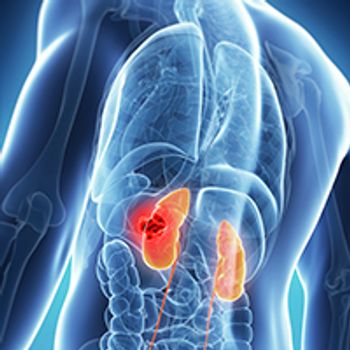
The combination of dalantercept plus axitinib (Inlyta) failed to significantly improve progression-free survival in patients with advanced renal cell carcinoma compared with placebo.
Michael J. Birrer, MD, PhD, discusses some of the exciting data presented at the 2017 ASCO Annual Meeting, especially with olaparib (Lynparza) in SOLO2, and what other emerging advancements are poised to transform the landscape.
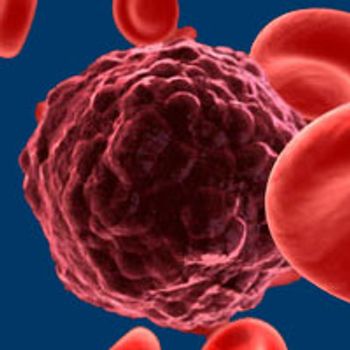
Merck announced that it is postponing enrollment in the phase III KEYNOTE-183 and KEYNOTE-185 trials because of deaths in patients with multiple myeloma assigned to pembrolizumab (Keytruda), the company's blockbuster anti-PD-1 therapy.
Inspired by the long tradition of innovation at Yale University, particularly in the life sciences, The Blavatnik Family Foundation has donated $10 million to Yale University to promote and to accelerate the development, application, and commercialization of breakthrough research in the life sciences.
The Yale School of Medicine, partnering with Yale New Haven Hospital, took the next step toward personalized medicine, cutting the ribbon on its Center for Genome Analysis on Yale’s West Campus.