

For oncology specialists, caring for patients with cancer has long meant analyzing the biological and clinical pieces of a puzzle unique to each individual and then figuring out the optimal management plan to meet his or her needs.
For oncology specialists, caring for patients with cancer has long meant analyzing the biological and clinical pieces of a puzzle unique to each individual and then figuring out the optimal management plan to meet his or her needs.

Recent evidence has shed some light on the prognostic value of microsatellite instability and the potential benefit of checkpoint inhibition in colorectal cancer.
Amid continuing excitement over the potential for immunotherapies targeting the PD-1/PD-L1 pathway, two major questions have loomed over PD-L1 expression levels as a biomarker for this emerging new class of drugs.
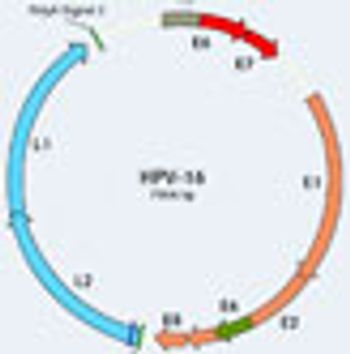
An improved understanding of the natural history of HPV, its interaction with the host immune system, and the distinct molecular alterations underlying HPV-positive cancers, are fueling development of new drugs, particularly immunotherapies geared toward generating an HPV-specific immune response.

There is clear evidence that obesity at the time of diagnosis of operable breast cancer is associated with an increased risk of distant recurrence, specifically for HR–positive, HER2-negative disease, and oncologists should consider helping patients better manage their weight as part of their treatment plans.
Combining estrogen receptor blockade with targeted cell-cycle inhibitors increases therapeutic options for postmenopausal women with ER-positive, HER2-negative metastatic breast cancer, contributing to an evolving paradigm that is moving new regimens to the forefront of the treatment timeline.

The perception that cord blood is an inferior source of stem cells is simply not accurate and may result in delays in lifesaving treatment for patients.

Howard A. "Skip" Burris III, MD, has helped launched many widely used anticancer therapies by designing and helping to implement first-in-human studies and by leading advanced clinical trials of promising drugs. He was honored in the Drug Development category with a 2014 Giants of Cancer Care® award.
Pierre M. Gholam, MD, discusses managing elderly patients with advanced HCC, including current practices and emerging strategies.
A trend in the biomedical industry to bypass the rigors of scientific publishing was highlighted recently in a provocative commentary regarding the virtual absence of data in the peer-reviewed literature demonstrating the utility of a novel proprietary laboratory testing platform.

A group of researchers at Washington University in St. Louis recently opened a clinical trial to evaluate pembrolizumab as treatment intensification therapy for patients with high-risk locoregionally advanced, previously untreated, HPV-negative head and neck squamous cell carcinomas.