Brian T. Hill, MD, PhD, assistant professor, Hematology and Oncology, Cleveland Clinic, discusses BTK inhibitors in mantle cell lymphoma (MCL).
Brian T. Hill, MD, PhD, assistant professor, Hematology and Oncology, Cleveland Clinic, discusses BTK inhibitors in mantle cell lymphoma (MCL).
Although many new therapies have been introduced in a range of cancer types, brain metastases remain a serious neurological complication in patients with advanced malignancies.
Steven Campbell, MD, PhD, urologist, Cleveland Clinic, discusses the goals of the newly updated guidelines in renal cell carcinoma.
Steven Campbell, MD, PhD, urologist, Cleveland Clinic, discusses recent advancements in the management of kidney cancer.
Steven Campbell, MD, PhD, urologist, Cleveland Clinic, discusses the role of radical nephrectomy according to the guidelines for patients with renal cell carcinoma (RCC).
Moshe Ornstein, MD, staff, Cleveland Clinic, discusses the challenges surrounding immunotherapy for patients with renal cell carcinoma.
Andrew Stephenson, MD, discusses the impact of various approaches—radiation, surgery, and active surveillance—on patients’ quality of life 2 years following treatment.
Andrew J. Stephenson, MD, director for the Center of Urologic Oncology at the Cleveland Clinic, discusses advancements being made in the field of prostate cancer.

Jihad Kaouk, MD, urologist, Cleveland Clinic, discusses challenges regarding robotic surgery for patients with renal cell carcinoma (RCC).
Jorge Garcia, MD, Department of Hematology and Oncology, Cleveland Clinic, discusses the LATITUDE study in prostate cancer.
Jorge Garcia, MD, Department of Hematology and Oncology, Cleveland Clinic, discusses selecting a second-line and beyond immunotherapy treatment for patients with bladder cancer.
Brian Rini, MD, discusses the KEYNOTE-426 study and the promise of emerging combinations in renal cell carcinoma.
Moshe Ornstein, MD, staff, Cleveland Clinic, discusses the role of interleukin-2 (IL-2) going forward in patients with renal cell carcinoma (RCC).
Jorge Garcia, MD, Department of Hematology and Oncology, Cleveland Clinic, discusses the optimal sequence of immunotherapies for the treatment of patients with bladder cancer.
Andrew Stephenson, MD, director of Urologic Oncology, Cleveland Clinic, discusses patient preferences with undergoing active surveillance versus active treatment for their prostate cancer.
Brian I. Rini, MD, professor of medicine, Cleveland Clinic, discusses the potential of immunotherapy as an adjuvant treatment for patients with renal cell carcinoma (RCC).
Brian Rini, MD, discusses additional adjuvant trials that have perplexed the field, what potential immunotherapy could have in this setting, and other obstacles to tackle in the renal cell carcinoma landscape.
Andrew Stephenson, MD, director of Urologic Oncology, Cleveland Clinic, discusses the impact of active surveillance on the field of prostate cancer.
Jorge Garcia, MD, Department of Hematology and Oncology, Cleveland Clinic, discusses the May 2017 FDA approval of pembrolizumab (Keytruda) in patients with urothelial carcinoma.

Nima Sharifi, MD, honored by Clinical Research Forum for research showing that testosterone-related genetic mutation leads to deadlier outcomes in prostate cancer.
Jihad Kaouk, MD, urologist, Cleveland Clinic, discusses the results of a study of robot-assisted partial nephrectomy for selected renal mass using an off-clamp approach compared to an on-clamp approach for patients with renal cell carcinoma (RCC).
Andrew J. Stephenson, MD, director for the Center of Urologic Oncology at the Cleveland Clinic, discusses the significance of a study investigating urinary, bowel, and sexual function at 2 years following the management of localized prostate cancer.
An epigenetic strategy under study at Cleveland Clinic combines THU, a cytidine deaminase inhibitor, with decitabine and nivolumab (Opdivo) in patients with non-small cell lung cancer. The results of early studies demonstrate that THU may help prime the immune system.
Steven Campbell, MD, PhD, urologist, Cleveland Clinic, discusses the recent guidelines for the management of patients with kidney cancer.

Gennedy Bratslavsky, MD, deputy director of Upstate Cancer Center, director of the Robotic Program for all Upstate Campuses, and director of the VHL Clinical Cancer Center, discusses the evaluation and management of kidney cancer.
Andrew J. Stephenson, MD, director for the Center of Urologic Oncology at the Cleveland Clinic discusses urinary, bowel, and sexual function following the management of localized prostate cancer.
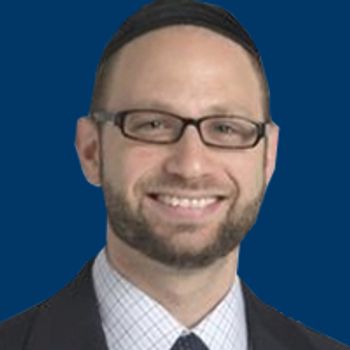
Shlomo Koyfman, MD, discusses the findings of a recent study of patients with HPV-positive oropharyngeal cancer treated with cisplatin-based chemoradiotherapy or cetuximab-based bioradiotherapy.
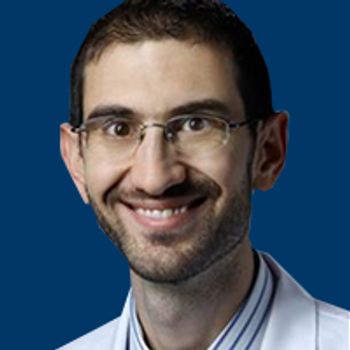
The presence of androgen receptor splice variant-7 (AR-V7) mRNA in circulating tumor cells predicted poorer outcomes for men with castration-resistant prostate cancer assigned to novel hormonal therapies, according to results recently published in the Journal of Clinical Oncology.
Shlomo Koyfman, MD, associate staff, Radiation Oncology, Cleveland Clinic, discusses informing patients of reirradiation as a treatment for head and neck cancer.

Shlomo Koyfman, MD, associate staff, radiation oncology, Cleveland Clinic, discusses intensity-modulated radiation therapy (IMRT) and stereotactic body radiotherapy (SBRT) reirradiation for patients with head and neck cancer.