
Yi Lin, MD, PhD, discusses promising data with CAR T-cell therapy in multiple myeloma.
Yi Lin, MD, PhD, discusses promising data with CAR T-cell therapy in multiple myeloma.
Rafael Fonseca, MD, discusses several clinical trials that support the use of quadruplet regimens in myeloma, the utilization of MRD in clinical decision-making, and future directions for research.
Sikander Ailawadhi, MD, discusses the future of relapsed/refractory multiple myeloma, the potential for retreatment with proteasome inhibitors, immunomodulatory drugs, and monoclonal antibodies, and the promise of T-cell engagers in the field.
Yttrium-90 glass microspheres, a personalized radiotherapeutic cancer treatment, induced an overall response rate of 72.2% per blinded independent central review as neoadjuvant or stand-alone treatment in 143 evaluable patients with unresectable hepatocellular carcinoma.
Kabir Mody, MD, discusses the unique approach used to deliver Y-90 glass microspheres to patients with unresectable hepatocellular carcinoma.
Shaji K. Kumar, MD, discusses treatment selection considerations in multiple myeloma.
January 27, 2021 - The combination of the polo-like kinase 1 inhibitor, onvansertib, with FOLFIRI and bevacizumab was found to have preliminary activity and favorable tolerability when used as a second-line treatment for patients with KRAS-mutated metastatic colorectal cancer.
Rafael Fonseca, MD, discusses the shift toward frontline quadruplet regimens in multiple myeloma.
Sikander Ailawadhi, MD, discusses potential combination strategies with selinexor and belantamab mafodotin-blmf in multiple myeloma.
Joleen M. Hubbard, MD, discusses sequencing challenges regarding EGFR inhibitors in colorectal cancer.
Tanios S. Bekaii-Saab, MD, FACP, discusses indicators of progression in colorectal cancer.
Daniel H. Ahn, DO, discusses the growing role of circulating tumor DNA in colorectal cancer.
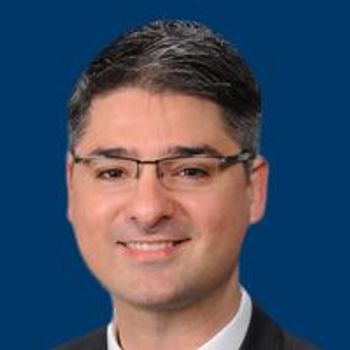
Beau Toskich, MD, discusses key results that demonstrate the benefit of personalized dosimetry, and offered advice to fellow clinicians as the field moves toward adopting this radiotherapeutic modality.
Yi Lin, MD, PhD, discusses the importance of developing non-BCMA–targeting agents in multiple myeloma.
Shaji K. Kumar, MD, discusses the emergence of minimal residual disease negativity as a surrogate end point in relapsed/refractory multiple myeloma.
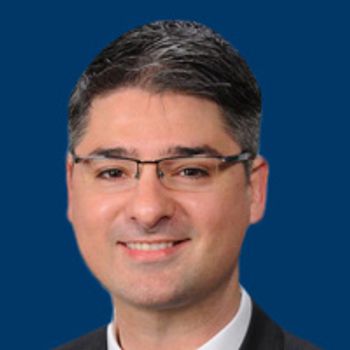
Beau Toskich, MD, discusses the potential of TheraSphere as a therapy in hepatocellular carcinoma, the importance of utilizing a multidisciplinary approach among novel radiation oncology agents, and his hope for a future prospective clinical trial evaluating Y-90.
Rafael Fonseca, MD, weighs the risks and benefits of quadruplet regimens in patient with multiple myeloma.
Sikander Ailawadhi, MD, discusses the emergence of T-cell engagers in multiple myeloma.

Yi Lin, MD, PhD, discusses CAR T-cell therapy–related toxicities in multiple myeloma.
Rafael Fonseca, MD, discusses the emergence of minimal residual disease in multiple myeloma.
Shaji K. Kumar, MD, discusses sequencing selinexor-based combinations in relapsed/refractory multiple myeloma.
Brexucabtagene autoleucel induced durable response in patients with relapsed/refractory mantle cell lymphoma, according to findings from the phase 2 ZUMA-2 trial, leading to an FDA approval for use in this patient population on July 24, 2020.
Tanios S. Bekaii-Saab, MD, FACP, discusses incorporating potential mechanisms of resistance into treatment selection in hepatocellular carcinoma.
Sikander Ailawadhi, MD, discusses the integration of selinexor into the treatment landscape of relapsed/refractory multiple myeloma.
Yi Lin, MD, PhD, discusses the characteristics of patients who were included in the CRB-401 study examining the CAR T-cell product idecabtagene vicleucel in multiple myeloma.
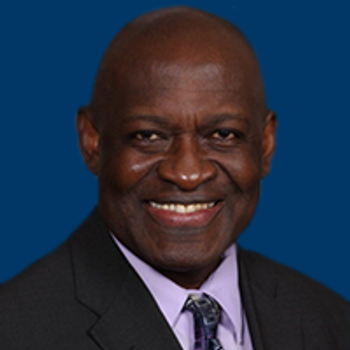
Alex A. Adjei, MD, PhD, discusses frontline treatment options for patients with advanced non–small cell lung cancer, as well as some of the nuances of selecting the optimal therapy.
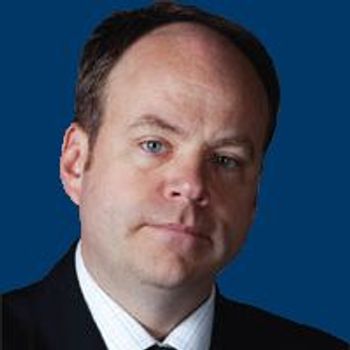
Matthew P. Goetz, MD, discusses ongoing research in the setting of ESR1-mutant, ER–positive, HER2-negative metastatic breast cancer.
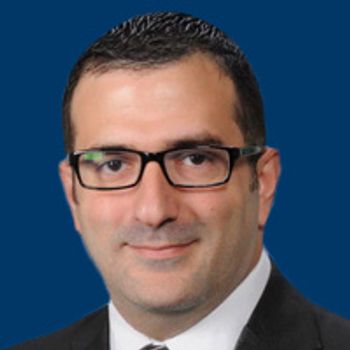
Rami Manochakian, MD, discusses the role of osimertinib in patients with EGFR-mutated NSCLC, strategies for treatment following progression on the third-generation TKI, and ongoing research efforts to further improve care.
Javier L. Munoz, MD, discusses the nuances of choosing treatment options for patients with CLL in the frontline and relapsed/refractory settings, as well as novel therapeutic strategies on the horizon.
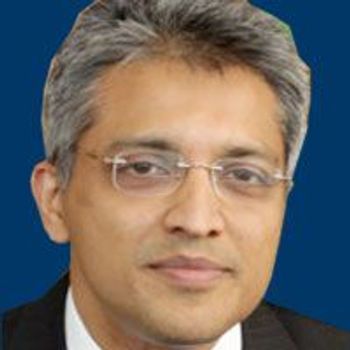
December 9, 2020 — The BCMA-targeted antibody-drug conjugate MEDI2228 showed promising clinical efficacy in patients with relapsed/refractory multiple myeloma, with triple-refractory disease experiencing maintained responses.