
Opinion|Videos|May 4, 2026
Final Perspectives and Key Messages
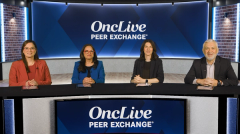
Dr. Wistuba emphasizes the critical need for reinforcing RNA testing alongside DNA testing for comprehensive NGS in lung cancer.
Advertisement
Episodes in this series
Dr. Wistuba emphasizes the critical need for reinforcing RNA testing alongside DNA testing for comprehensive NGS in lung cancer. Future opportunities include exploring RNA testing in liquid biopsy approaches, despite technical difficulties with RNA-free blood analysis. Potential solutions involve smaller RNA recovery, RNA encapsulated in vesicles, and platelet-based RNA approaches that act as tumor sponges encapsulating malignant cell RNA. Additional opportunities include improving resistance mechanism detection beyond ROS1 therapy resistance, including small cell lung cancer transformation detection through liquid biopsy DNA methylation approaches for tumor phenotyping without requiring tissue biopsy.
Computational pathology integration represents another advancement opportunity, utilizing digital pathology services to identify computational features flagging cases with potential ROS1 translocations for appropriate genomic testing. Understanding off-target resistance mechanisms, particularly KRAS abnormalities potentially creating immune-responsive microenvironments, requires active re-biopsy programs despite implementation challenges.
Dr. Rotow emphasizes that exciting advances for patients with ROS1-positive lung cancer can only benefit patients when targets are identified. The ongoing challenge involves ensuring comprehensive testing that avoids missing actionable alterations, becoming increasingly complex but important due to expanding therapeutic advances.
Dr. Rodriguez stresses that evolution in ROS1 treatment means not all listed guideline drugs are equivalent. Some drugs offer years of survival advantage and CNS responses, encouraging oncologists to select newer agents designed to target resistance mechanisms and provide durability with CNS activity for optimal patient outcomes.
Dr. Leal concludes with the essential message of continued testing to identify ROS1 fusions that transform patient outcomes, emphasizing the importance of listening to patients, understanding their priorities and concerns, and working collaboratively to achieve optimal outcomes.
Advertisement
Related to this article

Benjamin Weinberg, MD, discusses the FDA approval of daraxonrasib, RASolute 302 survival data, safety considerations, and future RAS-targeted therapies in pancreatic cancer.
Half of lenalidomide-refractory patients with 1 to 3 prior lines remained alive and progression free at least 5 years after a single cilta-cel infusion.

Andrew Kuykendall, MD, discusses the FDA approval of rusfertide and how to apply it in clinical practice for polycythemia vera management.

An NDA seeks FDA approval of savolitinib plus osimertinib for EGFR-mutated NSCLC with MET overexpression or amplification after EGFR TKI therapy.

Jason Hafron, MD, discusses the emotional, clinical, and financial burden of false positive cancer screening results and improved risk stratification.

Raajit K. Rampal, MD, PhD, discusses JAK inhibitor choice in cytopenic myelofibrosis, emerging combinations, and anemia-directed agents.

The sNDA for elinzanetant seeks FDA approval for moderate-to-severe vasomotor symptoms in women receiving endocrine therapy for HR-positive breast cancer.

The NMPA has approved of pirtobrutinib in treatment-naive and previously treated CLL/SLL.
Advertisement
Advertisement
Trending on OncLive
1
Ifinatamab Deruxtecan BLA Voluntarily Withdrawn in Previously Treated Extensive-Stage SCLC
2
China's NMPA Approves Pirtobrutinib Across CLL
3
FDA Grants Priority Review to Elinzanetant for Endocrine Therapy–Associated Vasomotor Symptoms in HR+ Breast Cancer
4
Long-Term PERSEUS Data Confirm Durable PFS Benefit With D-VRd in Transplant-Eligible Newly Diagnosed Myeloma
5