
Opinion|Videos|April 6, 2026
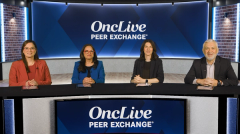
Importance of Comprehensive Testing and Patient Counseling
Dr. Leal emphasizes that although actionable genomic alterations like ROS1 are rare, their clinical implications are enormous. Following National Comprehensive Cancer Network (NCCN) guidelines, these targets should be acted upon in the first-line setting as the initial targeted therapy treatment.
Advertisement
Episodes in this series
Dr. Leal emphasizes that although actionable genomic alterations like ROS1 are rare, their clinical implications are enormous. Following National Comprehensive Cancer Network (NCCN) guidelines, these targets should be acted upon in the first-line setting as the initial targeted therapy treatment. The difference in durability of responses, progression-free survival (PFS), impact on CNS disease control for patients with high propensity for CNS metastases, and tolerability with oral regimens providing good quality of life makes finding these alterations critical.
Dr. Rodriguez addresses the challenge of comprehensive testing timelines when patients feel urgency for treatment. Some patients may receive first-cycle chemotherapy while awaiting genomic results, particularly when waiting even for ctDNA results taking 10 days becomes too long. However, she emphasizes counseling patients about the critical importance of proper diagnosis, as treatment decisions impact long-term survival measured in years rather than months. For minimally symptomatic patients, taking time for proper diagnosis provides access to treatments offering better responses, including brain activity that may avoid radiation therapy, which can be detrimental to patients.
The discussion covers what constitutes comprehensive biomarker testing in lung cancer. Dr. Wistuba outlines starting with immunohistochemistry assays including PD-L1, ALK staining as a surrogate for ALK translocation, and ROS1 immunohistochemistry. He notes that ROS1 immunohistochemistry serves as a screening method with high sensitivity but approximately 80% specificity, making it useful for initial assessment but requiring NGS confirmation for definitive diagnosis. The recommendation includes DNA and RNA NGS testing performed simultaneously rather than sequentially to avoid delays.
Dr. Rodriguez emphasizes sufficient tissue quantity for comprehensive testing, while recognizing that insufficient tissue results necessitate repeat biopsy considerations, particularly for younger patients or those with brain metastases. Dr. Leal advocates for universal testing regardless of clinical suspicion, as clinical enrichment strategies still miss patients who could benefit from targeted therapies.
Advertisement
Related to this article

VS-7375 produced a responses previously treated metastatic pancreatic ductal adenocarcinoma.

SurVaxM missed the SURVIVE trial OS end point in newly diagnosed glioblastoma, whereas a subgroup of patients 65 or younger had significantly improved OS.

The resubmission follows a third complete response letter issued in July 2026 that cited manufacturing deficiencies rather than efficacy or safety concerns.

The FDA has approved atezolizumab in combination with chemotherapy for some patients with stage 3 colon cancer following surgery.

The FDA approved nogapendekin alfa inbakicept plus BCG for BCG-unresponsive NMIBC with high-grade papillary-only tumors.

The FDA set a PDUFA target action date of March 31, 2027, for tabelecleucel in relapsed or refractory EBV-positive post-transplant lymphoproliferative disease.

Experts in gynecologic oncology overview top research being presented at the 2026 ESMO Congress.
Matthew P. Goetz, MD, explores menopausal status, recurrence risk, and adjuvant CDK4/6 inhibitor selection in HR-positive breast cancer.
Advertisement
Advertisement
Trending on OncLive
1
FDA Approves Nogapendekin Alfa Inbakicept Plus BCG for High-Grade, Papillary-Only BCG-Unresponsive NMIBC
2
Real-World, First-Line IO-Based Combos Are Associated With Improved OS vs TKI Monotherapy in Advanced RCC
3
CDK4/6 Inhibitors Anchor First-Line Metastatic Breast Cancer Care, But Oral SERDs May Fall Short
4
Tenumomeran/Raplemomeran Plus Pembrolizumab Misses PFS End Point in HPV16+ HNSCC
5