
Opinion|Videos|March 30, 2026
Circulating Tumor DNA Testing and Clinical Decision-Making
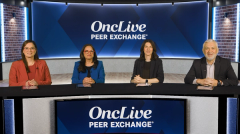
Panelists discuss the role of ctDNA (liquid biopsy) in clinical practice, highlighting its benefits and limitations in detecting actionable mutations, interpreting results, and guiding treatment decisions when tissue testing is insufficient.
Advertisement
Episodes in this series
The discussion turns to circulating tumor DNA (ctDNA) or plasma-based testing applications in clinical practice. Dr. Wistuba explains that liquid biopsy should be a multidisciplinary team decision, noting that most available technologies are DNA-based, making it difficult to obtain good RNA from blood. This creates the same limitations as tissue-based DNA testing, where rare mutations detectable only through RNA sequencing may be missed.
Dr. Rotow emphasizes that ctDNA represents a valuable tool when positive results are found, but negative results should be considered non-diagnostic rather than truly ruling out actionable alterations. This principle applies to all abnormalities detected in cell-free DNA testing, even EGFR mutations, due to sensitivity issues and tumor shedding variability. Dr. Wistuba confirms that if actionable alterations are found in liquid biopsy, clinicians can act upon them, but absence of findings does not exclude their presence in tissue.
Dr. Rodriguez addresses the practical question of allele fraction significance in ctDNA testing. She explains that ctDNA has made clinical practice more practical when tissue is insufficient or patients cannot undergo repeat biopsy procedures. The allele frequency does not matter when identifying actionable markers, as substantial data supports using this information for treatment selection, particularly for first-line treatment decisions that significantly impact patient outcomes. However, she notes that low tumor fraction in negative results can immediately indicate test insufficiency, requiring additional diagnostic approaches.
The panelists agree that accurate profiling at diagnosis remains crucial, as these are treatment decisions that matter from the first-line setting when initially meeting patients with advanced NSCLC.
Advertisement
Related to this article

SurVaxM missed the SURVIVE trial OS end point in newly diagnosed glioblastoma, whereas a subgroup of patients 65 or younger had significantly improved OS.

The resubmission follows a third complete response letter issued in July 2026 that cited manufacturing deficiencies rather than efficacy or safety concerns.

The FDA has approved atezolizumab in combination with chemotherapy for some patients with stage 3 colon cancer following surgery.
The FDA approved nogapendekin alfa inbakicept plus BCG for BCG-unresponsive NMIBC with high-grade papillary-only tumors.

The FDA set a PDUFA target action date of March 31, 2027, for tabelecleucel in relapsed or refractory EBV-positive post-transplant lymphoproliferative disease.
Experts in gynecologic oncology overview top research being presented at the 2026 ESMO Congress.
Matthew P. Goetz, MD, explores menopausal status, recurrence risk, and adjuvant CDK4/6 inhibitor selection in HR-positive breast cancer.
First-line IO-based combination regimens were increasingly used and associated with longer observed survival in advanced renal cell carcinoma.
Advertisement
Advertisement
Trending on OncLive
1
FDA Approves Nogapendekin Alfa Inbakicept Plus BCG for High-Grade, Papillary-Only BCG-Unresponsive NMIBC
2
Real-World, First-Line IO-Based Combos Are Associated With Improved OS vs TKI Monotherapy in Advanced RCC
3
CDK4/6 Inhibitors Anchor First-Line Metastatic Breast Cancer Care, But Oral SERDs May Fall Short
4
Tenumomeran/Raplemomeran Plus Pembrolizumab Misses PFS End Point in HPV16+ HNSCC
5