
Gina Mauro
Advertisement

Vice President of Content, OncLive and Cancer Network
Gina Mauro is your lead editorial contact for OncLive. She joined the company in 2015 and has held various positions on OncLive; she is also the on-air correspondent for OncLive News Network: On Location. Prior to joining MJH Life Sciences, she worked at Gannett as a full-time reporter with the Asbury Park Press. Email: gmauro@onclive.com
Articles by Gina Mauro

The use of response-based consolidation coupled with radiation therapy was found to be effective and well tolerated, with low failure rates, in pediatric patients with high-risk classical Hodgkin lymphoma.

The Japanese Ministry of Health, Labor, and Welfare has approved cabozantinib for the treatment of patients with unresectable hepatocellular carcinoma that has progressed on prior systemic therapy.

November 30, 2020 - The FDA has granted a fast track designation to eprenetapopt as a treatment for patients with TP53-mutant acute myeloid leukemia.
November 30, 2020 - The FDA has granted a breakthrough therapy designation to zanidatamab for the treatment of patients with HER2 gene–amplified biliary tract cancer who have received prior therapy.
The FDA has granted a priority review designation to a new drug application for belumosudil for the treatment of patients with chronic graft-versus-host disease.

November 30, 2020 - Dose escalation with ripretinib following disease progression on the 150-mg daily dose led to a clinically meaningful benefit in patients with advanced gastrointestinal stromal tumor.

November 30, 2020 - The European Medicines Agency has validated an application to review tepotinib for the treatment of adult patients with advanced non–small cell lung cancer that harbor MET exon 14 skipping alterations.
November 30, 2020 - The FDA has approved the Sonalleve MR-guided high-intensity focused ultrasound (MR-HIFU) system for the treatment of patients with osteoid osteoma in the extremities.
The FDA has approved naxitamab-gqgk (Danyelza) for use in combination with granulocyte-macrophage colony-stimulating factor as a treatment for pediatric patients 1 year of age and older and adult patients with relapsed/refractory high-risk neuroblastoma in the bone or bone marrow who have demonstrated a partial response, minor response, or stable disease to prior treatment.

Selinexor demonstrated a statistically significant improvement in progression-free survival compared with matching placebo in patients with advanced unresectable dedifferentiated liposarcoma, following at least 2 prior treatments.

The phase 3 SIENDO study, which is evaluating maintenance selinexor in endometrial cancer, has been recommended by the Data and Safety Monitoring Board to continue as previously planned without the need to add additional patients to the trial or amend the study protocol, following a prespecified interim futility analysis.

November 24, 2020 - The European Commission has approved nivolumab for the treatment of adult patients with unresectable advanced, recurrent or metastatic esophageal squamous cell carcinoma following prior fluoropyrimidine- and platinum-based combination chemotherapy.

November 24, 2020 — The FDA has granted an orphan drug designation to devimistat for the treatment of patients with soft tissue sarcoma.
November 23, 2020 - The National Comprehensive Cancer Network has updated its Clinical Practice Guidelines in Oncology for Myelodysplastic Syndromes (MDS) to include the combination of decitabine and cedazuridine as a category 2a recommendation for the treatment of adult patients with intermediate- and high-risk MDS.
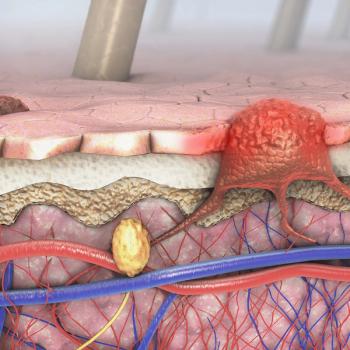
November 23, 2020 - Tebentafusp showed superiority in overall survival compared with investigator’s choice of therapy in patients with previously untreated metastatic uveal melanoma.

November 21, 2020 — Maintenance niraparib, when administered at an individualized starting dose, led to a 70% reduction in the risk of disease progression or death compared with placebo in Chinese patients with recurrent ovarian cancer who were in a complete or partial response to platinum-based chemotherapy.
Marilyn M. Bui, MD, PhD, highlights the importance of pathology in sarcoma and how it is the cornerstone of precision medicine.
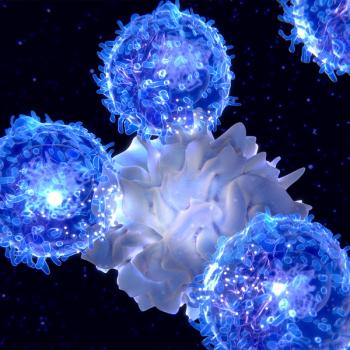
November 16, 2020 - The combination of plinabulin and pegfilgrastim showed a statistically significant improvement in the rate of prevention of grade 4 neutropenia versus pegfilgrastim alone in patients with cancer undergoing chemotherapy.
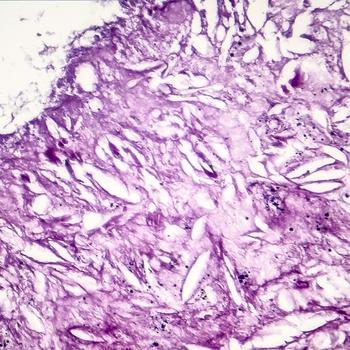
November 13, 2020 - The combination of bempegaldesleukin and the PD-1 inhibitor nivolumab elicited a confirmed best overall response rate of 53% in efficacy-evaluable patients with metastatic melanoma.
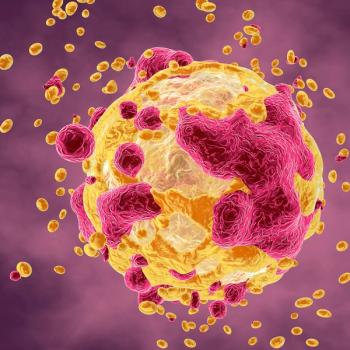
November 13, 2020 - The combination of nivolumab and ipilimumab elicited an objective response rate of 25% and was found to be well tolerated in patients with advanced or unresectable angiosarcoma, according to cohort findings of the phase 2 DART trial.
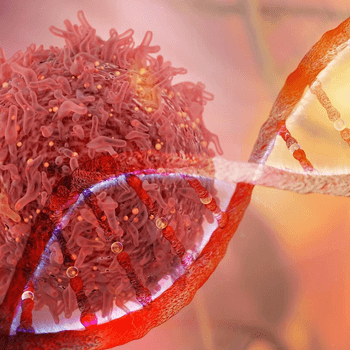
November 12, 2020 — Pembrolizumab led to a 38% central nervous system response rate and was well tolerated in patients with leptomeningeal metastasis from solid tumors. However, the study was closed early due to poor accrual.

November 12, 2020 - The investigational PD-L1 inhibitor cosibelimab demonstrated durable and robust responses in patients with non–small cell lung cancer and cutaneous squamous cell carcinoma.
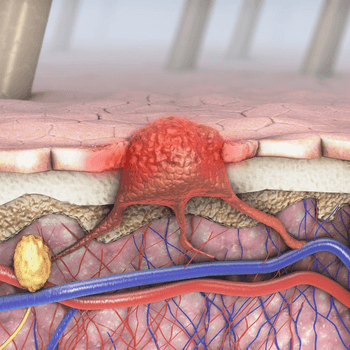
November 12, 2020 - In an effort to further improve outcomes without sacrificing tolerability, the combination of cabozantinib with pembrolizumab is being evaluated in patients with advanced melanoma in a phase 1b/2 study.

Recent research for effective therapies designed to target von Hippel-Lindau disease–associated renal cell carcinoma is pointing to a future with the paradigm that comprises immunotherapy, HIF-2α inhibitors, and potentially CDK4/6 inhibitors.

There is still a great deal to learn about the optimal use of BRAF-targeted therapy, as well as immunotherapy, in the adjuvant setting for patients with melanoma.
JTCC and Georgetown’s Alliance in Cancer Research Achieves New Level With Immunotherapy Breakthrough
It was 5:00 PM on a Monday, and Andrew Pecora, MD, FACP, CPE, was just wrapping up his practice for the day when one of his nurses came to the door, asking if he could see one more patient.

With an estimated 5-year survival rate of 50% and an ongoing issue of resistance, next steps with immunotherapy in melanoma will focus on stratifying patients, personalizing therapy, and refining localized regimens.
Advertisement
Advertisement
Advertisement
Trending on OncLive
1
Ifinatamab Deruxtecan BLA Voluntarily Withdrawn in Previously Treated Extensive-Stage SCLC
2
China's NMPA Approves Pirtobrutinib Across CLL
3
FDA Grants Priority Review to Elinzanetant for Endocrine Therapy–Associated Vasomotor Symptoms in HR+ Breast Cancer
4
Long-Term PERSEUS Data Confirm Durable PFS Benefit With D-VRd in Transplant-Eligible Newly Diagnosed Myeloma
5