
Surufatinib demonstrated a comparable health-related quality of life with placebo in patients with advanced neuroendocrine tumors.

Vice President of Content, OncLive and Cancer Network
Gina Mauro is your lead editorial contact for OncLive. She joined the company in 2015 and has held various positions on OncLive; she is also the on-air correspondent for OncLive News Network: On Location. Prior to joining MJH Life Sciences, she worked at Gannett as a full-time reporter with the Asbury Park Press. Email: gmauro@onclive.com
Surufatinib demonstrated a comparable health-related quality of life with placebo in patients with advanced neuroendocrine tumors.
Concurrent treatment with ibrutinib in patients with relapsed/refractory chronic lymphocytic leukemia who were receiving lisocabtagene maraleucel led to measurable effects in both CAR+ and endogenous T cells, both of which were linked with improved efficacy.
T-cell inflamed gene expression profile and tumor mutational burden assessment was found to be a feasible approach to study the clinical activity of 3 pembrolizumab-based combination regimens in treatment-naïve patients with advanced non–small cell lung cancer.

Lanreotide autogel/depot administered at 120 mg every 28 days may be an appropriate treatment for patients with advanced bronchopulmonary neuroendocrine tumors.
Chemoimmunotherapy is the new frontline standard of care for patients with small cell lung cancer, and other novel agents, such as, bispecific T-cell engagers are in the pipeline and gaining momentum for those who experience disease progression.

The management of endometrial cancer, a molecularly driven malignancy with 4 distinct subtypes, has witnessed significant progress with recent regulatory approvals of checkpoint blockade alone and in combination, said Bhavana Pothuri, MD, MS.

Newer modalities are exploring ways to provide more specificity on the value of minimal residual disease negativity in acute myeloid leukemia, since currently there is little definitive action that can be taken with the marker in clinical practice, according to Naval Daver, MD.
The use of risk stratification in children and adolescent and young adult patients with synovial sarcoma is an essential approach to appropriately tailoring local and systemic therapy and avoiding overtreatment.

Fixed-dose eniluracil is being evaluated with escalating doses of capecitabine in patients with advanced, refractory gastrointestinal cancers, or in advanced GI cancers who are intolerant to fluoropyrimidine chemotherapy, as part of an open-label, phase 1b dose-escalation trial.
R. Lor Randall, MD, discusses survey results in detail and what the sarcoma community can do to overcome clinical trial enrollment barriers for adolescent and young adult patients.

Adavosertib demonstrated a 65% reduction in the risk of disease progression or death compared with active monitoring in patients with TP53-/RAS-mutant metastatic colorectal cancer following first-line chemotherapy.

Adjuvant treatment with atezolizumab led to an improvement in disease-free survival and time to locoregional and distant relapse compared with best supportive care in prespecified subgroups of PD-L1–positive patients with stage II to IIIA NSCLC, according to exploratory findings from the phase 3 IMpower010 trial.
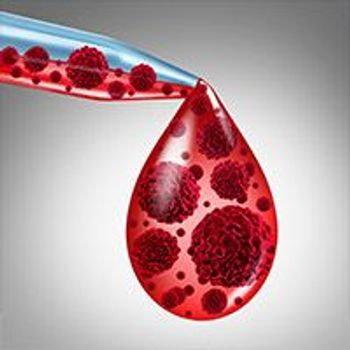
TG-1701, a covalently bound BTK inhibitor, used as monotherapy or in combination with umbralisib and ublituximab, demonstrated promising activity and a manageable safety profile in patients with chronic lymphocytic leukemia.

The frontline combination of nivolumab and chemotherapy upheld its improvement in progression-free and overall survival vs chemotherapy alone with longer follow-up of patients with advanced gastric, gastroesophageal junction, or esophageal cancer, according to data from the phase 3 CheckMate-649 trial.
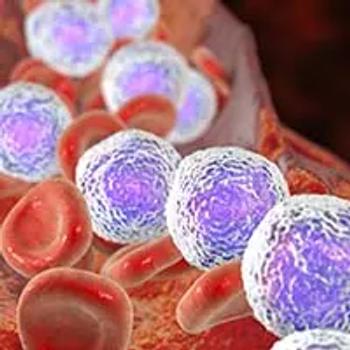
The use of a cell-free DNA–based minimal residual disease assay demonstrated feasibility and highly concordant results compared with 4-color flow cytometry and improved MRD detection in patients with chronic lymphocytic leukemia who were treated with time-limited venetoclax, acalabrutinib, and obinutuzumab.

Fam-trastuzumab deruxtecan-nxki showcased robust and durable antitumor activity in previously treated patients with HER2-mutant non–small cell lung cancer.

Fam-trastuzumab deruxtecan-nxki as a second-line treatment elicited a 38% confirmed objective response rate in Western patients with HER2-positive gastric/gastroesophageal junction cancer.

The addition of carboplatin to neoadjuvant paclitaxel followed by doxorubicin and cyclophosphamide significantly improved pathological complete response rates and event-free survival in patients with treatment-naïve triple-negative breast cancer.
The 2021 ESMO Congress, held as a virtual format for the second consecutive year, is fast approaching and isn’t holding back in terms of pivotal data across malignancies, especially in breast cancer and gynecologic cancers.
Pembrolizumab as an adjuvant therapy compared with placebo continued to showcase an impressive disease-free survival benefit in patients with clear cell renal cell carcinoma following nephrectomy, with improvement observed across subgroups.
Patients with microsatellite instability–high or mismatch repair–deficient prostate cancer may be more likely to respond to treatment with checkpoint inhibitors compared with those who have high tumor mutational burden.

The combination of durvalumab and Vicineum was found to be well tolerated and to elicit complete responses in patients with Bacillus-Calmette Guérin–unresponsive non–muscle invasive bladder cancer.

Talquetamab, an off-the-shelf T-cell redirecting, GP3C5D-targeting agent, has continued to show promising clinical activity in patients with relapsed/refractory multiple myeloma, especially when given at the recommended phase 2 dose of 405 µg/kg weekly in subcutaneous formulation.
Pirtobrutinib, showcased promising efficacy signals across dose levels in previously treated patients with chronic lymphocytic leukemia and small lymphocytic lymphoma.

The first-line combination of durvalumab and chemotherapy, with or without tremelimumab, led to a statistically significant improvement in progression-free survival compared with chemotherapy alone in patients with metastatic non–small cell lung cancer, according to data from the phase 3 POSEIDON trial.

Mobocertinib demonstrated clinical activity in previously platinum-treated patients with EGFR exon 20 insertion mutation–positive non–small cell lung cancer whether or not they received a prior PD-1/PD-L1 inhibitor.

The National Medical Products Administration in China has approved pembrolizumab for use in combination with platinum- and fluoropyrimidine-based chemotherapy for the frontline treatment of patients with locally advanced unresectable or metastatic esophageal carcinoma or gastroesophageal junction cancer.

Combining durvalumab and tremelimumab plus transcatheter arterial chemoembolization or radiofrequency ablation was found to be both efficacious and safe as a treatment for patients with advanced hepatocellular carcinoma, according to results of a pilot study.

Devimistat in combination with gemcitabine and cisplatin has moved into the phase 2 portion of a phase 1b/2 trial studying the regimen as a first-line treatment for patients with locally advanced unresectable or metastatic biliary tract cancer.

The European Commission has granted an expanded approval to ravulizumab-cwvz to include children with a body weight of at least 10 kg, as well as adolescents, with paroxysmal nocturnal hemoglobinuria.