

Precision Medicine in Oncology®
Latest News
Advertisement
Latest Videos

































































Advertisement
More News
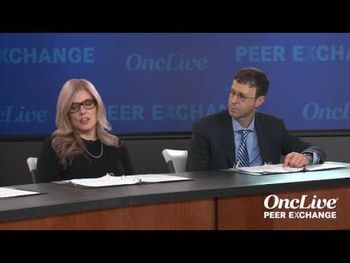

Shaji Kumar, MD, professor of Medicine, Mayo Clinic, discusses the safety profile and the survival benefits associated with venetoclax in the treatment of patients with multiple myeloma.
Daniel P. Petrylak, MD, professor of Medicine and Urology, Yale Cancer Center, discusses major targeted agents currently being studied in the treatment of patients with bladder cancer.
Mark G. Kris, MD, a medical oncologist at Memorial Sloan Kettering Cancer Center, discusses what the future holds for the development of immunotherapy and targeted therapy in the treatment of patients with lung cancer.
In recent years, advancements in the treatment of patients with metastatic melanoma have proceeded in 2 areas: targeted therapies and immunotherapies.
Two of the most noteworthy developments in the oncology field during 2016 were the continued expansion of checkpoint blockade immunotherapy agents into more cancer types and the federal government’s plans for funding and remaking the research paradigm.
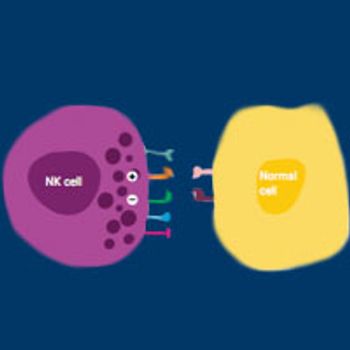
Although T cells have commanded most of the attention in the burgeoning immuno-oncology field, there is a growing appreciation that other immune cells have important roles in tumor surveillance and would represent attractive therapeutic targets.
Negative reports evaluating molecularly selected agents should not derail the process of developing future therapies by employing a precision medicine approach.
In neuro-oncology, newfound interest has sparked investigations into metabolic pathways in tumors with the hope of identifying novel therapeutic targets.
Advertisement
Advertisement
Trending on OncLive
1
Ifinatamab Deruxtecan BLA Voluntarily Withdrawn in Previously Treated Extensive-Stage SCLC
2
Etentamig Improves Response and PFS vs Standard Therapies in Triple-Class Exposed Relapsed/Refractory Myeloma
3
Dr Voorhees on Eligibility Criteria for the CERVINO Trial in Multiple Myeloma
4
Long-Term PERSEUS Data Confirm Durable PFS Benefit With D-VRd in Transplant-Eligible Newly Diagnosed Myeloma
5