



Colorectal Cancer
Latest News
Advertisement
Latest Videos
























































Advertisement
More News

Cathy Eng, MD, FACP, FASCO, discusses the rationale for studying the impact of RAS mutations in patients with early onset resectable colorectal cancer.
Cathy Eng, MD, FACP, FASCO, discusses surgical considerations for patients with RAS-mutant colorectal cancer.

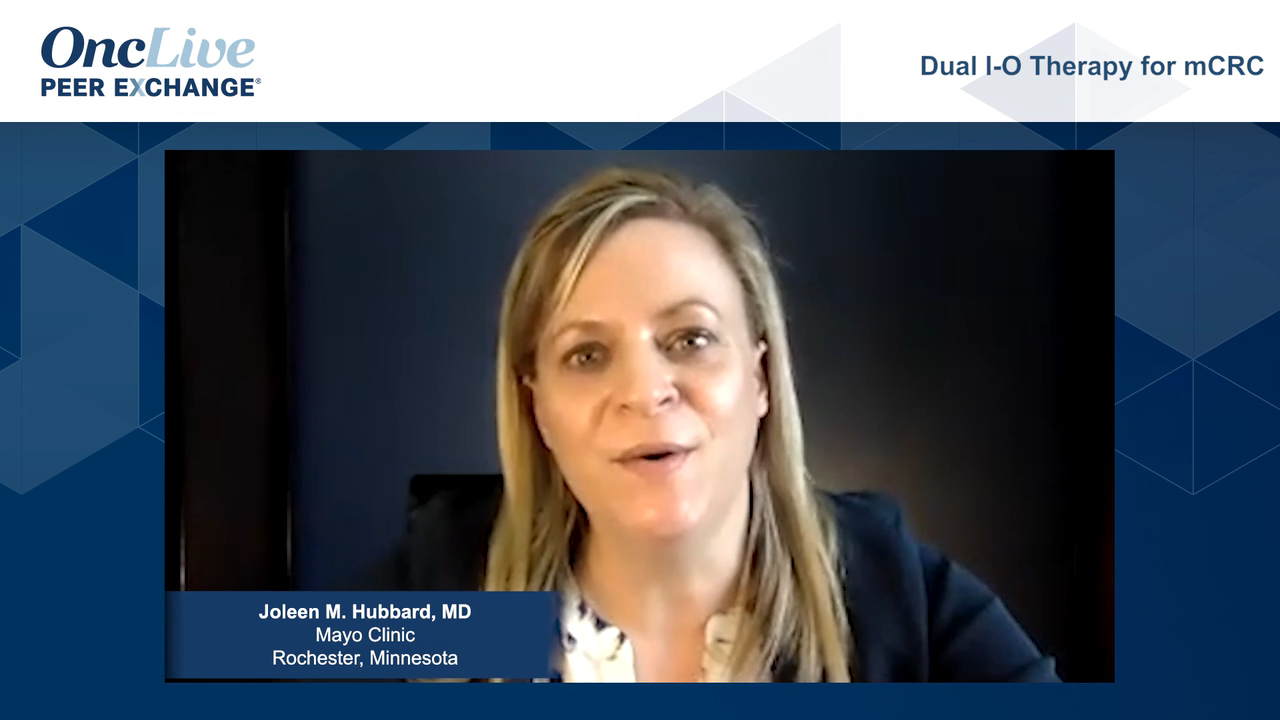
Joleen M. Hubbard, MD, discusses the potential for treatment with immunotherapy alone in patients with colorectal cancer.
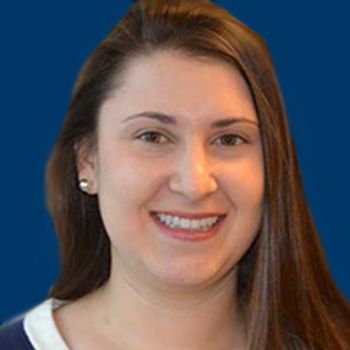
The use of universal tumor screening in conjunction with multigene panel testing led to an improvement in the identification of hereditary cancer syndromes in patients with colorectal cancer.

Cathy Eng, MD, FACP, FASCO, discusses the impact of RAS mutations on outcomes in patients with early vs late colorectal cancer following liver resection.

Andrew Coveler, MD, discusses the potential clinical implications of positive data with NUC-3373 in metastatic colorectal cancer.

Axel Grothey, MD, discusses the potential utility of circulating tumor DNA as a marker for rechallenging patients with treatment in colorectal cancer.
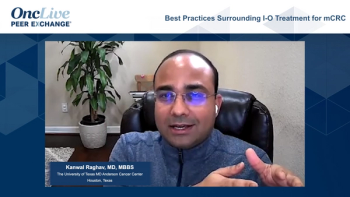
Kanwal Raghav, MD, MBBS, of The University of Texas MD Anderson Cancer Center, discusses when it is most appropriate to initiate immunotherapy for metastatic colorectal cancer, highlighting the roles of tumor mutation burden and microsatellite instability as biomarkers for treatment.
Cathy Eng, MD, FACP, FASCO, describes data revealed by the KEYNOTE-177 trial and discusses best practices for using immunotherapy as first-line treatment of metastatic colorectal cancer.

One in 6 patients with colorectal cancer harbor genetic changes that substantially increase their risk for cancer, especially in those who are younger at the time of diagnosis.

Three months of adjuvant capecitabine plus oxaliplatin represents a potential option for select patients with high-risk stage II colorectal cancer due to its convenience, reduced toxicity, and cost, although noninferiority to the 6-month standard duration was not demonstrated.

Wells Messersmith, MD, discusses the potential for fam-trastuzumab deruxtecan-nxki as a treatment for patients with HER2-positive colorectal cancer.

Kanwal Raghav, MBBS, MD, discusses adjusting dosing with regorafenib in patients with colorectal cancer.
Kanwal Raghav, MBBS, MD, discusses the process of selecting between treatment with trifluridine and tipiracil vs regorafenib in patients with colorectal cancer.
A panel of gastrointestinal oncologists discuss current options for molecular testing based on the understanding that predictive biomarkers play a role in the management of metastatic colon cancer.
Expectations regarding the use of fruquintinib, an oral VEGF tyrosine kinase inhibitor, as third-line therapy for metastatic colorectal cancer.

John L. Marshall, MD, discusses early data reported with fam-trastuzumab deruxtecan-nxki in the treatment of patients with HER2-positive colorectal cancer from the phase 2 DESTINY-CRC01 trial.

Axel Grothey, MD, discusses the potential role of circulating tumor DNA testing in screening patients for early-stage colorectal cancer.

Primary tumor resection followed by chemotherapy failed to demonstrate a survival benefit compared with chemotherapy alone in patients with stage IV colorectal cancer who have asymptomatic primary tumors and synchronous unresectable metastases, suggesting that PTR should no longer be considered a standard of care in this patient population.

Syed Kazmi, MD, an oncologist at The University of Texas Southwestern Medical Center, discusses key treatment considerations for young patients with onset colorectal cancer.

The first patient has received treatment with fam-trastuzumab deruxtecan-nxki in the phase 2 DESTINY-CRC02 trial, which is exploring the safety and efficacy of the antibody-drug conjugate in patients with HER2-overexpressing, BRAF wild-type, RAS-mutant or wild-type or mutant locally advanced, unresectable or metastatic colorectal cancer who have progressed following treatment with standard chemotherapy.
Arsen Osipov, MD, discusses the role of combination immunotherapy across multiple tumor types.
Considerations for how to sequence therapy with regorafenib for relapsed or refractory metastatic colorectal cancer based on the REVERCE II study.
Variables that impact patient selection for TAS-102 treatment as later-line therapy for metastatic colorectal cancer and considerations for using TAS-102 in combination with bevacizumab.
The rationale for treating metastatic colon cancer with regorafenib in a later-line setting and the importance of applying the dose-escalation strategy demonstrated by the ReDOS trial into clinical practice.
Advertisement
Advertisement
Trending on OncLive
1
Dr Reiss Binder on the FDA Approval of Daraxonrasib for Metastatic PDAC
2
FDA Approves Daraxonrasib for Metastatic Pancreatic Ductal Adenocarcinoma
3
ASCO Issues Warning Regarding Ifosfamide Shortage for Cancer Care
4
Dr Ayanambakkam on the Safety of Darlifarnib Plus Cabozantinib in RCC KD
5