




Colorectal Cancer
Latest News
Advertisement
Latest Videos
























































Advertisement
More News

Jeremy C. Jones, MD, discusses the clinical utility of pembrolizumab in microsatellite instability–high colorectal cancer.

Tanios S. Bekaii-Saab, MD, FACP, discusses the uptake of precision medicine in colorectal cancer.

Jeremy C. Jones, MD, discusses the importance of testing for microsatellite instability high in colorectal cancer.

Best practices for managing skin rashes associated with anti-EGFR therapy for metastatic colorectal cancer.

Recommendations for treating patients with relapsed/refractory metastatic colorectal cancer in the third-line or later settings with regorafenib or TAS-102 therapy.

John H. Strickler, MD, discusses factors to consider when selecting between trifluridine/tipiracil and regorafenib for the treatment of patients with colorectal cancer.


In patients with metastatic colorectal cancer who received cetuximab as a second-line therapy after irinotecan or oxaliplatin-based regimens have failed, KRAS mutational status and geographical region were associated with time on treatment, while body mass index and age were linked with overall survival.

The importance of aligning second-line treatment decisions with patient goals in metastatic colorectal cancer, and the benefits of treating patients with biweekly cetuximab, especially during the COVID-19 pandemic.

Reactions to recent changes approved by the FDA to the dosing schedule of cetuximab for metastatic colorectal cancer and the value of real-word data on clinical practice patterns in the community when administering this drug.

The addition of panitumumab to 5-fluorouracil and leucovorin significantly improved progression-free survival as a maintenance treatment over 5-FU/leucovorin alone in patients with RAS wild-type metastatic colorectal cancer.

Final results of the DESTINY-CRC01 trial were consistent with primary analysis, establishing the benefit of fam-trastuzumab deruxtecan-nxki in patients with HER2-overexpressing metastatic colorectal cancer.

Cetuximab added to mFOLFOXIRI induced superior depth of response than mFOLFOXIRI plus bevacizumab in treatment-naïve patients with RAS wild-type metastatic colorectal cancer.

The chemotherapy regimen of FOLFOXIRI plus bevacizumab was found to be preferred in terms of antitumor activity compared with FOLFOXIRI plus cetuximab in patients with RAS wild-type, BRAF V600E–mutant metastatic colorectal cancer.

Some patients with previously treated advanced colorectal cancer responded to treatment with lenvatinib plus pembrolizumab.

Michael A. Choti, MD, discusses pursuing chemotherapy following tumor resection in advanced colorectal cancer.

Treatment approaches available for patients with newly diagnosed metastatic colorectal cancer that is RAS wild type and factors that impact decisions for utilizing a 2-drug versus 3-drug regimen.

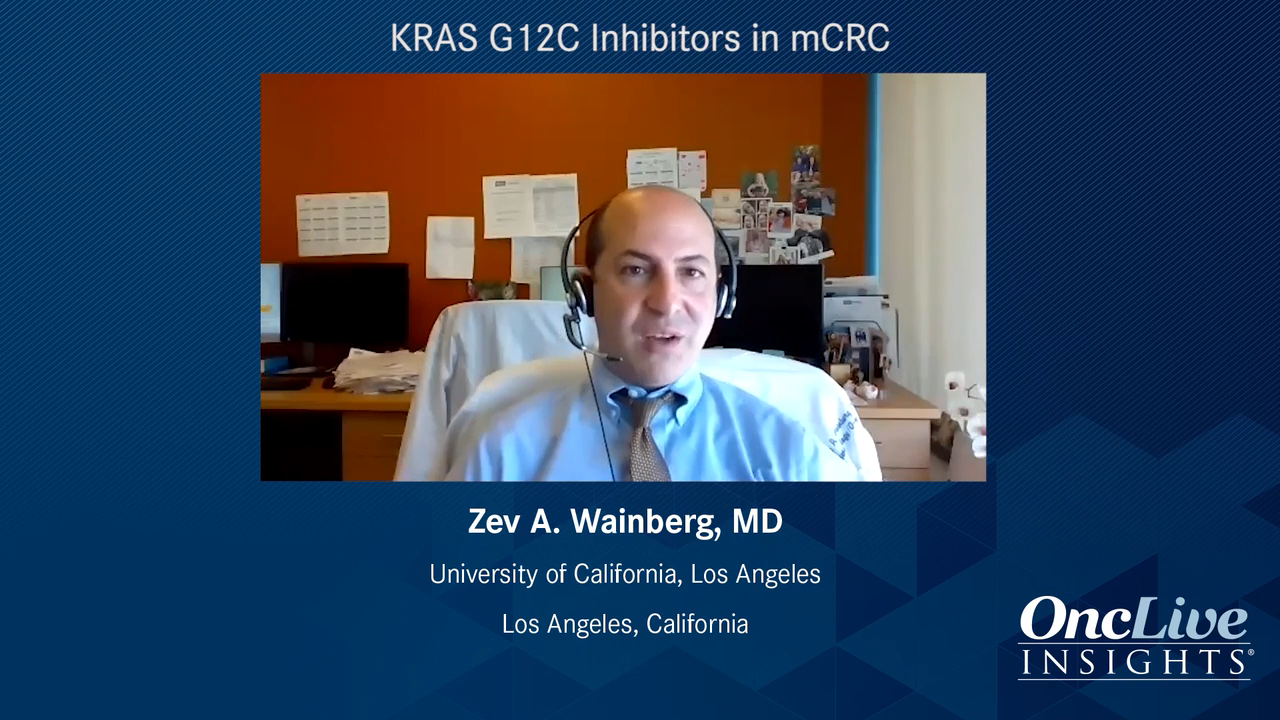
Drs Jaffer A. Ajani and Zev A. Wainberg comment on the rationale for conducting full next-generation sequencing panels on patients with metastatic colorectal cancer and explain how to best utilize information provided to inform treatment decisions.

A significant incidence of advanced neoplasia and colorectal cancer was identified in individuals between the ages of 45 and 49 years, emphasizing the importance of adhering to recent recommendations from the United Services Preventive Services Task Force to lower the CRC screening age from 50 to 45 years.
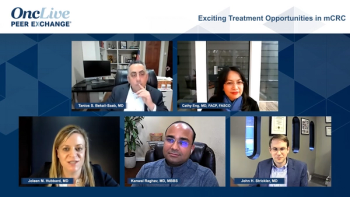
Closing out a discussion on novel therapies used to individualize treatment for patients with metastatic colorectal cancer, a panel of gastrointestinal oncologists highlight the most exciting treatment opportunities being explored to address current gaps in care.

Considerations regarding best sequencing strategies with novel therapies to treat HER2-mutated metastatic colorectal cancer.

Implications for treating patients with HER2-expressing metastatic colorectal cancer with novel agents such as trastuzumab deruxtecan and tucatinib.

Kanwal Raghav, MBBS, MD, discusses current sequencing approaches in metastatic colorectal cancer.

Screenings for breast cancer, colorectal cancer, and prostate cancer declined sharply from March to May 2020 vs the same time span in 2019, suggesting that public health efforts, such as increased use of screening modalities that do not require a procedure, are needed to address the deficit caused by the COVID-19 pandemic.

The significance of studying genomics in metastatic colorectal cancer and an overview of actionable targets that can be tested for to help in treatment decisions for newly diagnosed disease.
Advertisement
Advertisement
Trending on OncLive
1
Dr Reiss Binder on the FDA Approval of Daraxonrasib for Metastatic PDAC
2
FDA Approves Daraxonrasib for Metastatic Pancreatic Ductal Adenocarcinoma
3
ASCO Issues Warning Regarding Ifosfamide Shortage for Cancer Care
4
Dr Ayanambakkam on the Safety of Darlifarnib Plus Cabozantinib in RCC KD
5