


Gastrointestinal Cancer
Latest News
Advertisement
Latest Videos






















































Advertisement
More News
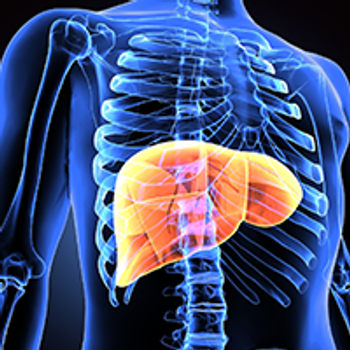
Early lung-specific response to atezolizumab plus bevacizumab was associated with longer overall survival in patients with hepatocellular carcinoma with pulmonary metastases.
Second-line treatment with regorafenib displayed safety in patients with advanced hepatocellular carcinoma who were not eligible for treatment on the phase 3 RESORCE trial, according to data from the phase 2 REGAIN trial.
The FDA has accepted for review a biologics license application seeking the approval of tislelizumab for use in the frontline treatment of patients with unresectable, recurrent, locally advanced or metastatic esophageal squamous cell carcinoma.
The European Commission has approved tislelizumab monotherapy for the treatment of adult patients with unresectable, locally advanced or metastatic esophageal squamous cell carcinoma after prior platinum-based chemotherapy.
The addition of toripalimab to standard-of-care sorafenib in the frontline setting demonstrated preliminary efficacy and tolerability in patients with unresectable hepatocellular carcinoma.
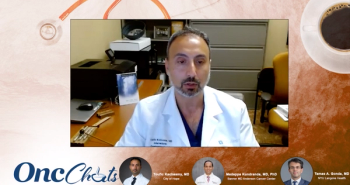
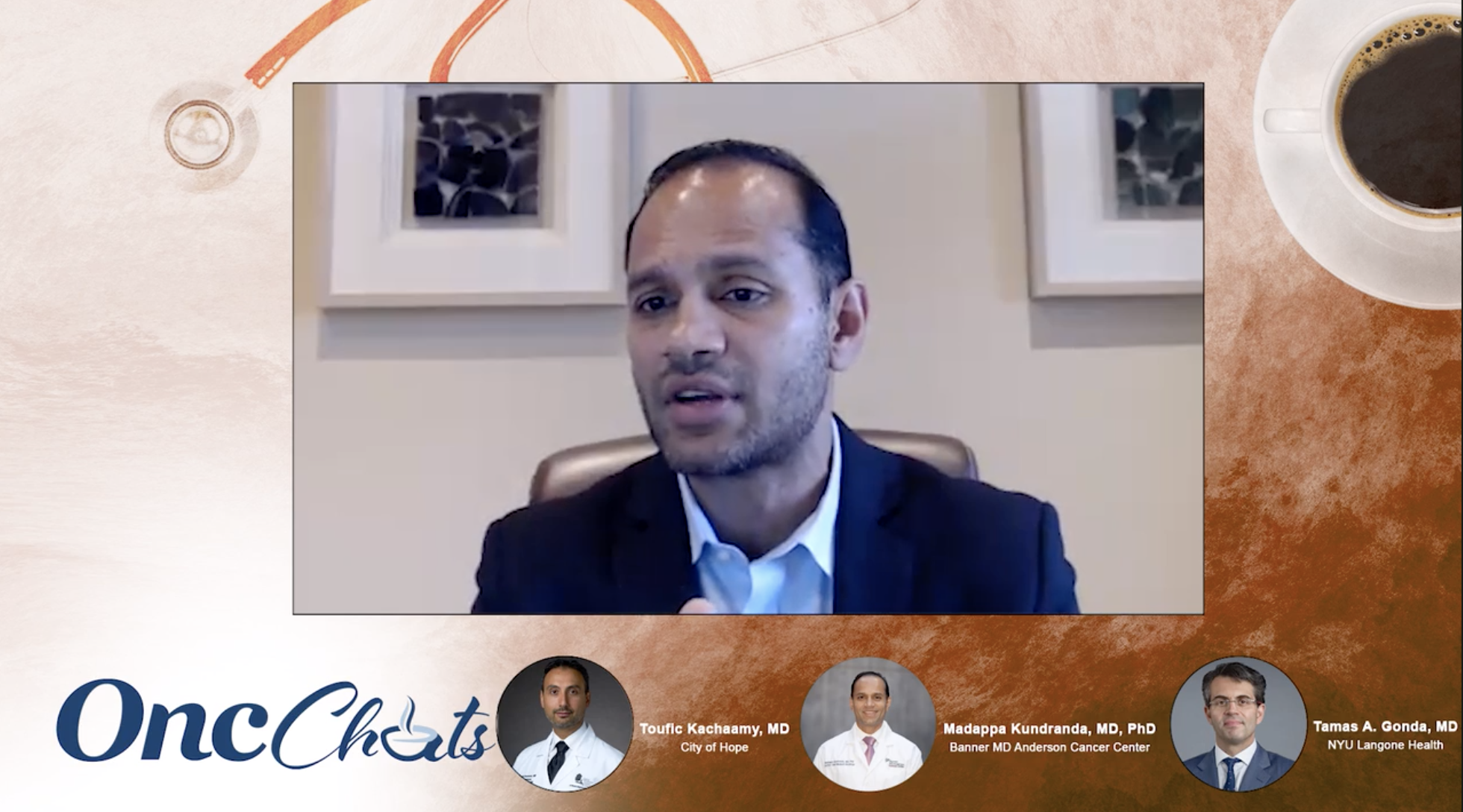
In this fourth episode of OncChats: Leveraging Endoscopic Ultrasound in Pancreatic Cancer, Toufic A. Kachaamy, MD, Madappa Kundranda, MD, PhD, and Tamas A. Gonda, MD, discuss what is known about the utilization of endoscopic radiofrequency ablation in nonmetastatic pancreatic adenocarcinoma and the potential for this approach in the paradigm.
The phase 2 ACTION trial, which evaluated the safety of second-line cabozantinib in patients with hepatocellular carcinoma who were intolerant to first-line sorafenib or who received agents other than sorafenib in the first line, did not meet its safety futility criteria, allowing the trial to continue.
Tissue- and blood-based molecular analysis could help match patients with advanced hepatocellular carcinoma or hepatocholangiocarcinoma following disease progression on frontline atezolizumab and bevacizumab to targeted therapy or another TKI based on identified genomic alterations.
The use of an immuno-oncology regimen as systemic therapy was found to be an independent prognostic factor and was associated with improved long-term survival for patients with hepatocellular carcinoma, regardless of IO’s sequencing in the first and later lines of treatment.
Neoadjuvant treatment with the combination of nivolumab and ipilimumab led to responses and was well tolerated in patients with resectable hepatocellular carcinoma.

Real-world data from a systemic review of treatment patterns in the United States showed that the majority of patients with hepatocellular carcinoma administered atezolizumab and bevacizumab in the frontline setting discontinued treatment within 12 months, indicating the need for additional research on the effectiveness of this regimen for patients with high-risk disease.

Marwan G. Fakih, MD, expands on long-term findings from the phase 2/3 PROSPECT trial and how these findings may influence the optimal use of nonoperative management strategies in locally advanced rectal cancer.

Treatment with ramucirumab in the second line after first-line lenvatinib monotherapy or the combination of atezolizumab and bevacizumab, or as third-line treatment following both regimens, elicited efficacy comparable with second-line ramucirumab following treatment with sorafenib in patients with advanced hepatocellular carcinoma.
In this third episode of OncChats: Leveraging Endoscopic Ultrasound in Pancreatic Cancer, Toufic A. Kachaamy, MD, Madappa Kundranda, MD, PhD, and Tamas A. Gonda, MD, share how they would best utilize genetic testing results obtained from endoscopic ultrasound–guided biopsies in pancreatic ductal adenocarcinomas.
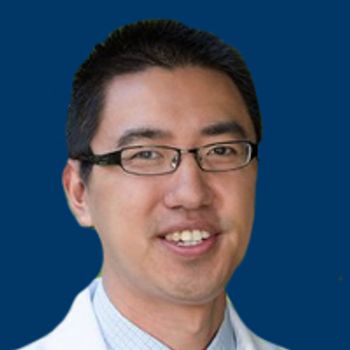
Daneng Li, MD, highlights the importance of biomarker testing in gastroesophageal and biliary tract cancers, the potential role for targeted therapy in first-line CRC treatment, and when to choose neoadjuvant therapy over upfront surgery and adjuvant therapy in pancreatic cancer.

Daneng Li, MD, discusses the investigation of triplet combination therapy for patients with hepatocellular carcinoma in the phase 1/2 Morpheus-Liver study.
Afsaneh Barzi, MD, PhD, discusses unmet needs associated with the adjuvant treatment of patients with gastroesophageal cancers and highlights the use of nivolumab in this setting.
Daneng Li, MD, discusses how immune-related adverse effects can affect the treatment of patients with gastrointestinal cancer, specifically those with unresectable hepatocellular carcinoma.

Howard S. Hochster, MD, discusses data from the phase 3 FRESCO-2 trial of fruquintinib plus best supportive care in metastatic colorectal cancer.
In this last episode of OncChats: Mapping Progress Made in Pancreatic Cancer Surgery, Horacio J. Asbun, MD, and Domenech Asbun, MD, explain how augmented reality or artificial intelligence may be utilized to improve outcomes for patients with pancreatic cancer who are undergoing surgical procedures.
The benzodiazepines lorazepam and alprazolam had differing effects on progression-free survival (PFS) outcomes among patients with pancreatic cancer, with lorazepam demonstrating an association with decreased PFS and alprazolam prolonging PFS.
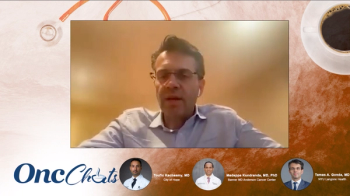
In this second episode of OncChats: Leveraging Endoscopic Ultrasound in Pancreatic Cancer, Toufic A. Kachaamy, MD, Madappa Kundranda, MD, PhD, and Tamas A. Gonda, MD, discuss the techniques used such as endoscopic ultrasound–guided biopsies to collect adequate tissue to perform genomic analyses in pancreatic cancer, and the likelihood for finding actionable mutations in this population.
Martin Wermke, MD, discusses why the novel agent may serve as a promising treatment option targeting DLL3.
Mitesh J. Borad, MD, highlights key additional findings from ReFocus and how RLY-4008 differs from currently available FGFR2 inhibitors.
Afsaneh Barzi, MD, PhD, discusses challenges treating oncologists face when aiming to navigate the treatment landscape of patients with gastroesophageal cancers and highlights the evolution of treatments for patients with these diseases.
Advertisement
Advertisement
Trending on OncLive
1
INBRX-106 Plus Pembrolizumab Improves Responses and PFS in First-Line PD-L1–Positive HNSCC
2
FDA Approves Pirtobrutinib for Previously Untreated CLL/SLL
3
Epcoritamab Plus R-CHOP Meets PFS End Point in Newly Diagnosed DLBCL
4
‘Our Impact Will Be Broad and Transformative’: Wells Messersmith, MD, Takes the Reins at CU Anschutz Cancer Center
5