





Gastrointestinal Cancer
Latest News
August 2nd 2023
By Kyle Doherty
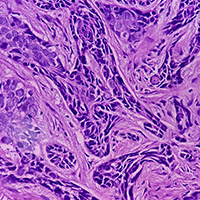
Delays in time to treatment initiation may be associated with demographic and socioeconomic disparities, with care coordination, clinical, and socioeconomic factors representing potential predictors of TTI, according to findings from a retrospective cohort study published in JCO Oncology Practice.
Advertisement
Latest Videos





















































Advertisement
More News

Mark Lewis, MD, discusses the contested designs of the NorPACT-1 trial and NAPOLI 3 trial; where trastuzumab deruxtecan falls in the HER2-positive metastatic colorectal cancer treatment paradigm; and how the PROSPECT trial results can improve quality of life for patients with rectal cancer.

Sherise Rogers, MD, MPH, discusses the rationale for investigating irinotecan liposome injection plus 5-fluorouracil, leucovorin, and oxaliplatin in the preoperative treatment of patients with pancreatic adenocarcinoma.

The European Medicines Agency’s Committee for Medicinal Products for Human Use has recommended the approval of pembrolizumab plus trastuzumab, fluoropyrimidine- and platinum-containing chemotherapy for the frontline treatment of patients with advanced unresectable or metastatic HER2-positive gastric or gastroesophageal junction adenocarcinoma whose tumors have a PD-L1 combined positive score of at least 1.

Eileen M. O’Reilly, MD, expands on the updated survival data from NAPOLI-3, explains how NALIRIFOX could fit into the current pancreatic ductal adenocarcinoma treatment paradigm, and shares potential opportunities to build upon this research moving forward.

Treatment with the combination of ENB-003 and pembrolizumab was well tolerated and produced preliminary signs of clinical activity in patients with platinum-refractory or -resistant, microsatellite stable ovarian cancer, and those with other advanced refractory solid tumors.

Theseus Pharmaceuticals has announced that the development of THE-630 as a potential therapeutic option for patients with gastrointestinal stromal tumor has been terminated, and enrollment to the ongoing phase 1/2 trial evaluating the agent’s safety and efficacy in this population has been discontinued.

The European Medicines Agency has accepted a marketing authorization application seeking the approval of zolbetuximab for first-line treatment of patients with Claudin18.2-positive, HER2-negative, unresectable, locally advanced or metastatic gastric or gastroesophageal junction adenocarcinoma.

The FDA has accepted for review a new drug application seeking the approval of rivoceranib in combination with camrelizumab as a first-line treatment option for patients with unresectable hepatocellular carcinoma.

As more is understood about the biology of PDAC tumors, targeting common KRAS variants in these tumors following exhaustion of all curative intent surgery, chemotherapy, and radiation ushers in a novel postadjuvant setting for investigators.

Treatment with trastuzumab deruxtecan resulted in clinically meaningful efficacy in patients with HER2-positive gastric or gastroesophageal junction cancer following disease progression on or after a trastuzumab-containing regimen.
The FDA has granted a priority review to the biologics license application seeking the approval of zolbetuximab for the first-line treatment of patients with unresectable, locally advanced or metastatic, HER2-negative, gastric or gastroesophageal junction adenocarcinoma whose tumors are Claudin18.2 positive.

The FDA has granted orphan drug designation to padeliporfin vascular targeted photodynamic therapy for use as a potential therapeutic option in patients with locally advanced pancreatic cancer.

Closing out their discussion on biliary tract cancers, Milind Javle, MD, and Laura Goff, MD, highlight current treatment guidelines and unmet needs as the landscape continues to evolve.
Expert perspectives on the KEYNOTE-966 and IMbrave151 clinical trials and novel chemoimmunotherapy combination strategies in biliary tract cancers.

Lower rates of diarrhea and overall bowel dysfunction were reported with the use of neoadjuvant fluorouracil and oxaliplatin vs neoadjuvant pelvic chemoradiation with fluorouracil (5FCURT) in patients with locally advanced rectal cancer. However, lower rates of other toxicities were reported in patients treated with 5FCURT.
The FDA has granted breakthrough therapy designation to zenocutuzumab for use as a potential therapeutic option in patients with advanced unresectable or metastatic NRG1 fusion–positive pancreatic cancer after disease progression on previous systemic therapy or who have no satisfactory alternative options available.

Durvalumab plus a single priming dose of tremelimumab led to continued clinically meaningful overall survival benefit at 4 years compared with sorafenib in patients with previously untreated, unresectable hepatocellular carcinoma not eligible for localized therapy.

Treatment with intra-arterial gemcitabine led to an improvement in overall survival compared with continued treatment with intravenous gemcitabine plus nab-paclitaxel in patients with locally advanced pancreatic cancer following sequential treatment with IV gemcitabine, nab-paclitaxel, and radiotherapy.

George Lau, MD, FRCP, FAASLD, discusses the association between immune-related adverse effects and overall survival for patients with unresectable hepatocellular carcinoma enrolled on the phase 3 HIMALAYA trial.

In this third episode of OncChats: Examining the Promise of Multicancer Early Detection Tests, Toufic A. Kachaamy, MD, Madappa Kundranda, MD, PhD, and Niloy Jewel J. Samadder, MD, underscore the need for a multidisciplinary clinic to appropriately interpret multicancer early detection test results.

The FDA has granted an orphan drug designation to VCN-01, a systemic, selective, stroma-degrading oncolytic adenovirus for the treatment of patients with pancreatic cancer.
Frontline treatment with the combination of the CD40-directed monoclonal antibody agonist mitazalimab and modified FOLFIRINOX continued to produce responses in patients with metastatic pancreatic ductal adenocarcinoma.
Centering discussion on data from TOPAZ-1, Milind Javle, MD, and Laura Goff, MD, reflect on the value of chemoimmunotherapy combinations in biliary tract cancer management.
Drs Javle and Goff review standard of care treatment strategies for the management of biliary tract cancer and discuss recent NCCN guideline updates for the combination of durvalumab + cisplatin + gemcitabine.

Eileen M. O'Reilly, MD, discusses survival outcomes from the phase 3 NAPOLI 3 trial in patients with metastatic pancreatic ductal adenocarcinoma.
Advertisement
Advertisement
Trending on OncLive
1
INBRX-106 Plus Pembrolizumab Improves Responses and PFS in First-Line PD-L1–Positive HNSCC
2
Epcoritamab Plus R-CHOP Meets PFS End Point in Newly Diagnosed DLBCL
3
FDA Approves Pirtobrutinib for Previously Untreated CLL/SLL
4
‘Our Impact Will Be Broad and Transformative’: Wells Messersmith, MD, Takes the Reins at CU Anschutz Cancer Center
5