


Genitourinary Cancers
Latest News
Advertisement
Latest Videos




























































Advertisement
More News

Emerging agents targeting the PD1/PD-L1 pathway and the process of angiogenesis are shaping up to be promising options to break a 30-year drought in new therapies for patients with progressive metastatic urothelial bladder cancer.

Daniel P. Petrylak, MD, professor of Medicine (Medical Oncology) and Urology, co-director, Signal Transduction Research Program, Yale Cancer Center, discusses immunotherapy agents for the treatment of patients with bladder cancer.
Mario Sznol, MD, discusses the current state of immunotherapy in renal cell carcinoma, emerging agents and combinations in the field, and the challenges that arise with finding biomarkers.
Katherine Krajewski, MD, associate director, physician, Cancer Imaging Program Fellowship, Dana-Farber Cancer Institute, assistant professor of Radiology, Harvard Medical School, discusses the range of responses seen in patients with renal cell carcinoma (RCC) who have received PD-1 agents as treatment.

Robert A. Figlin, MD, FACP, discusses how the genomics of kidney cancer have evolved over recent years.

The FDA has granted a priority review to atezolizumab as a treatment for patients with locally advanced or metastatic urothelial carcinoma who progressed during or after platinum-based chemotherapy in the metastatic setting, or whose disease worsened within 12 months of receiving platinum-based chemotherapy before or after surgery.

Matthew Galsky, MD, explains the challenges of utilizing molecular subtyping and PD-L1 as biomarkers, the impact a potential approval of atezolizumab could have in metastatic bladder cancer, possible combinations that could increase ORR, and next steps in understanding the IMvigor study.

James L. Gulley, MD, PhD, Chief, Genitourinary Malignancies Branch, Senior Investigator, Head, Immunotherapy Section, Director, Medical Oncology Service, CCR Office of the Clinical Director, National Cancer Institute, discusses checkpoint inhibitors in bladder cancer.
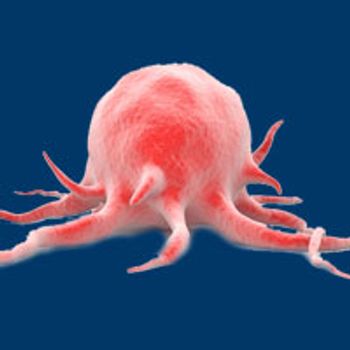
Genome sequencing studies are beginning to match distinct genomic profiles to different subtypes of kidney cancer, driving a dramatic shift in our understanding of these diseases and how to treat them.

Jorge Garcia, MD, discusses CheckMate-025, the challenges with PD-1 as a biomarker, additional potential biomarkers, and why combination immunotherapy in renal cell carcinoma is still a work in progress.

Ramaprasad Srinivasan, MD, PhD, staff clinician, Urologic Oncology Branch, National Cancer Institute, discusses the need for targeted therapies for patients with non-clear cell renal cell carcinoma (RCC) and the types of agents these patients are likely benefit to from.
The FDA has granted a breakthrough therapy designation to durvalumab as a treatment for patients with PD-L1–positive inoperable or metastatic urothelial bladder cancer following progression on prior treatment with a platinum-based regimen.
Arjun V. Balar, MD, discusses the phase II data demonstrating the efficacy of atezolizumab as a single agent, its potential as part of combination regimens, and planned clinical trials looking at immunotherapy in patients with metastatic bladder cancer.
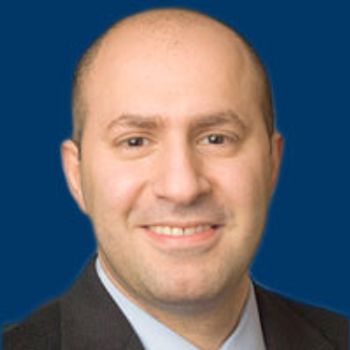
Toni Choueiri, MD, discusses the CheckMate-025 and METEOR trials and the potential for nivolumab and cabozantinib in the first- and second-line settings for treating renal cell carcinoma.

Padmanee Sharma, MD, PhD, professor of Immunology, Department of Genitourinary Medical Oncology, Division of Cancer Medicine, The University of Texas MD Anderson Cancer Center, discusses PD-L1 as a predictive biomarker for immunotherapy in patients with bladder cancer.

Being the largest private practice urology center in Kentucky has its advantages, said Ganesh Rao, MD, president of First Urology, PSC, in Louisville.

Researchers at the UC Davis Comprehensive Cancer Center are personalizing treatment using tumor xenografts in mice to test and identify more precise treatments for bladder cancer patients.

Advertisement
Advertisement
Trending on OncLive
1
Savolitinib Plus Osimertinib NDA Submitted to FDA for MET-Driven, EGFR-Mutated NSCLC After EGFR TKI
2
FDA Grants Priority Review to Elinzanetant for Endocrine Therapy–Associated Vasomotor Symptoms in HR+ Breast Cancer
3
Calculating the Real Cost of False Positive Findings in Cancer Screening
4
China's NMPA Approves Pirtobrutinib Across CLL
5