

Hematologic Oncology
Latest News

Advertisement
Latest Videos

















































Advertisement
More News
Dipti Patel-Donnelly, MD, discusses the management of high-risk hematologic malignancies in community practice.
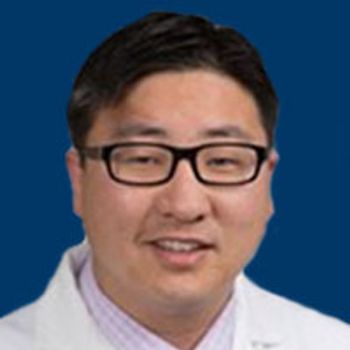
Michael Choi, MD, expands on significant advancements and treatment considerations in hematologic malignancies.

Olverembatinib has been added to the NCCN's latest 2024 guidelines for management of chronic myeloid leukemia.
James K. McCloskey, MD, discusses the potential for machine learning to replace flow cytometry analyses in patients with hematologic neoplasms.
Analyze risks and complications associated with allo-HSCT, including graft-versus-host disease, infections, relapse, and regimen-related toxicities.
This presentation will detail the supportive therapies and interventions provided to patients before, during, and after undergoing allo-HSCT. The speaker will also discuss management of treatment side effects and comorbidities to optimize patient outcomes.
Delve into the pre-transplant conditioning regimens such as chemotherapy and radiation used to prepare and immunosuppress patients to prevent graft rejection prior to allogeneic hematopoietic stem cell transplantation.

The FDA has granted an orphan drug designation to PTX-252 for the treatment of patients with acute myeloid leukemia.
Experts discuss the clinical implications of the MAJIC-PV trial.
Panel experts talk about when to use cytoreductive therapy and which factors influence their treatment selection as well as reviewing how patients with PV are monitored.
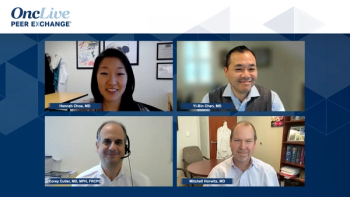
The panel reviews recent developments in treatments, therapeutic approaches post-transplant, and the importance of clear communication in navigating patient expectations.
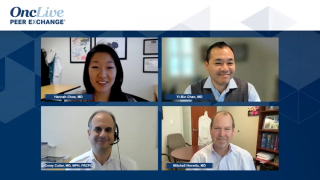
Drs Yi-Bin Chen, Corey Cutler, Hannah Choe, and Mitchell Horwitz discuss challenges in detecting and diagnosing chronic GVHD. The panel advocates for vigilant communication, early detection, and ongoing patient education for comprehensive post-transplant care.
Tycel Phillips, MD, discusses the potential advantages of treating patients with relapsed/refractory mantle cell lymphoma in the phase 3 GLOBRYTE trial.
A panel of experts discuss how to choose bispecific T-cell engagers as third-line and beyond therapy for FL.
Laurie Sehn, MD, discusses recent data on zanubrutinib, a BTK inhibitor, as third-line and beyond therapy for FL.
A comprehensive overview of tafasitamab plus lenalidomide for patients with relapsed/refractory DLBCL, highlighting data updates and the impact on clinical practice.
Expert perspectives on treatment selection for patients with R/R DLBCL receiving second line therapy.
Evolving Practice Standards and Disease Progression Beyond Frontline Therapy for Patients with DLBCL
A brief discussion on evolving practice standards and clinical perspectives that help to inform selection of best therapy for patients with DLBCL that progress beyond initial therapy.
Faculty discuss the treatment goals for patients diagnosed with polycythemia vera and review treatment options for managing PV.
Expert oncologists discuss the REVEAL study and provide their thoughts on these data and the impact in clinical practice.
Experts discuss the optimal strategy for NGS testing, which alterations to test for and how to assess for risk when diagnosing and managing patients with polycythemia vera (PV).
A look at emerging treatments and remaining unmet needs in the overall treatment landscape for acute myeloid leukemia.
Expert perspectives on some of the challenges faced in managing the treatment of patients with AML upon first remission.
The expert panel explores the immunological aspects of chronic GVHD, highlighting challenges in simultaneous management, addressing fibrosis, and emphasizing the importance of early intervention in evolving transplant care practices.
Drs Yi-Bin Chen, Corey Cutler, Hannah Choe, and Mitchell Horwitz distinguish acute from chronic graft-versus-host disease (GVHD), how such distinction has changed over the last decades, and provide an overview of consensus definitions for disease grading.
Advertisement
Advertisement
Trending on OncLive
1
FDA Approves Bioequivalent Olaparib Across Previously Approved Cancer Indications
2
Experts Revisit the Most Notable Data in GU Oncology From ASCO 2026
3
Longer-Term Data Help Shape TKI Selection in ROS1+ and ALK+ NSCLC
4
Dr Mardones on Giredestrant Plus Palbociclib in Estrogen Receptor+ Breast Cancer
5