
Hematologic Oncology
Latest News
Advertisement
Latest Videos
















































Advertisement
More News
Alexey Danilov, MD, PhD, discusses the use of minimal residual disease to predict outcomes in patients with follicular lymphoma.
Caron A. Jacobson, MD, and Miguel-Angel Perales, MD, share considerations for sequencing CAR T-cell therapies in patients with LBCL, depending on treatments they have already received.
Caron A. Jacobson, MD, and Miguel-Angel Perales, MD, discuss the trajectory and role of of CAR T-cell therapy within the treatment spectrum for LBCL.

Gabriela Hobbs, MD, discusses the significance of key research across myeloproliferative neoplasms from the 2023 ASH Annual Meeting.
Hematologist-oncologists discuss the risk stratification of patients with myelodysplastic syndromes and how patient risk status determines prognosis.
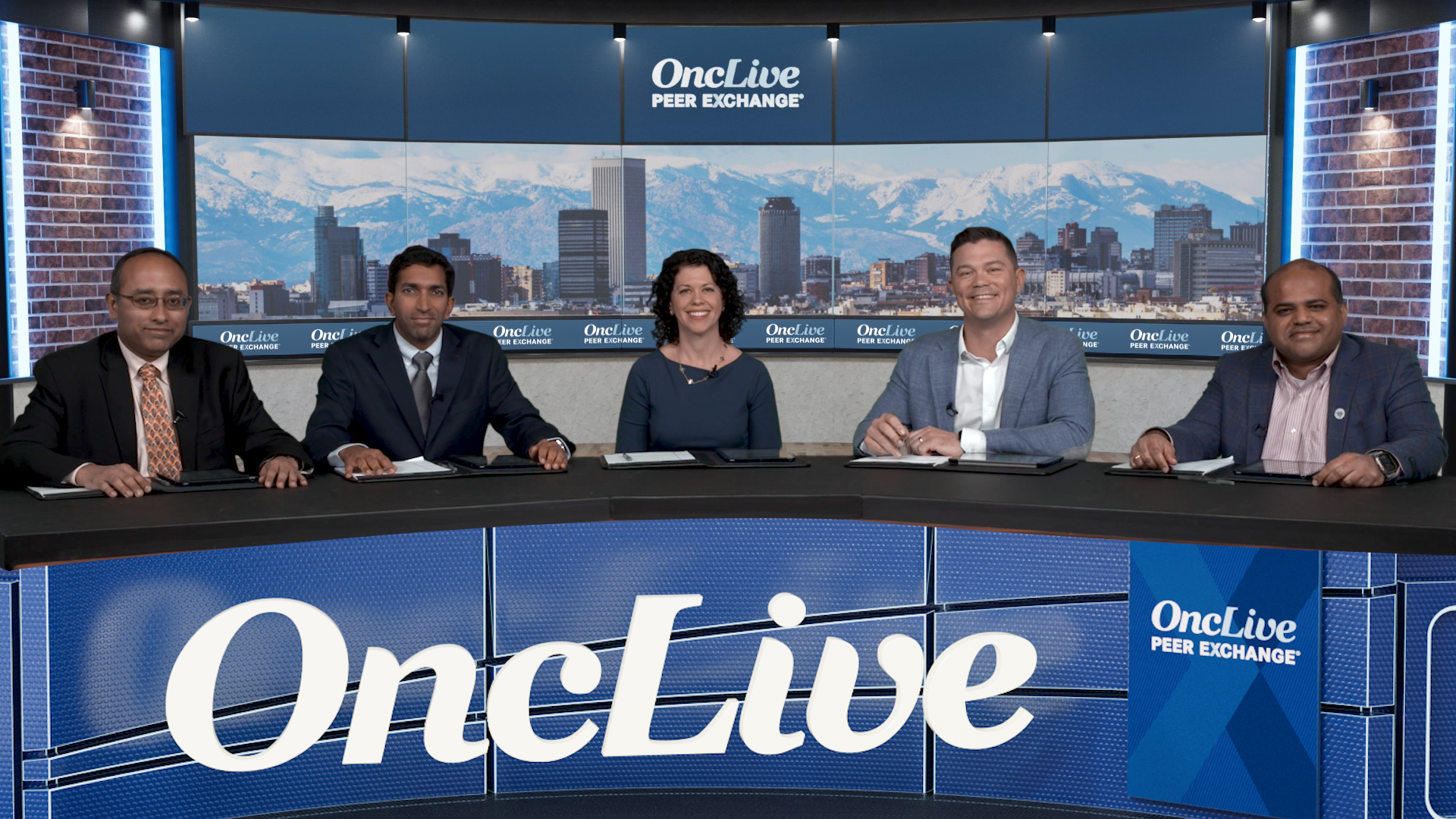
A panel of experts on myelodysplastic syndromes (MDS) introduce themselves and provide an overview of diagnosis practices, highlighting common symptoms and the typical patient presentation.
Teresa Caprice, PA-C, discusses the use of post-transplant cyclophosphamide to address disparities in transplant outcomes in racial and ethnic populations.
Experts on mantle cell lymphoma discuss first-line treatment options available for patients.
Laurie Sehn, MD, and Bijal Shah, MD, discuss remaining unmet needs for patients with relapsed/refractory FL.
Experts share clinical perspectives on the use of CAR T for patients with DLBCL, in the R/R setting.
Focused discussion on the latest updates of CAR Ts such as axi-cel and liso-cel from the ZUMA-7 and TRANSFORM trials, respectively.
Centering discussion on the role of CAR T-cell therapy for patients with R/R DLBCL.
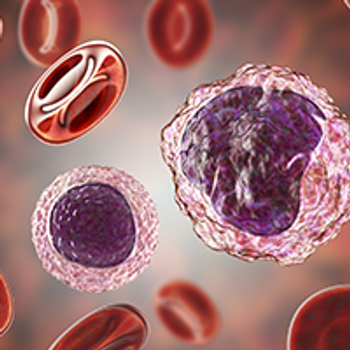
VDA-1102 led to an objective response rate of 56% in patients with mycosis fungoides, according to findings from an interim analysis of a phase 2a study.
Panelists consider real-world outcomes for treating patients with tafasitamab-lenalidomide for R/R DLBCL.
Focus on methods for preventing graft-versus-host disease (GvHD) following allo-HSCT, such as pharmacologic immune suppression and stem cell graft manipulation techniques.
Summarize ongoing and recently completed clinical trials related to allo-HSCT and associated therapies.
Dr. Bijal and colleagues discuss the objectives, clinical outcomes, and safety profile of the Phase 2 ZUMA 3 clinical trial, which evaluated treatment of adult patients with relapsed or refractory, B-precursor, acute lymphoblastic leukemia with the anti-CD-19/anti-CD20 bispecific CAR-T cell therapy, KTE-X19 (brexucabtagene autoleucel).
Drs. Roloff, Park, and Shah provide a brief overview of the current, CAR-T cell therapeutic landscape for relapsed or refractory acute lymphoblastic leukemia in adults with a particular focus on those who have completed two or more lines of prior therapy.
Faculty review the objectives of the 2023 ASH Insights Program on the Efficacy and Safety of Brexucabtagene Autoleucel CART19 Cell Therapy in Adults with Advanced Acute Lymphoblastic Leukemia.
Ibrahim T. Aldoss, MD, discusses the use of revumenib monotherapy in patients with relapsed/refractory acute leukemia harboring KMT2A rearrangements.
Overview of the current FDA approved treatment options for the management of myelofibrosis as well as reviewing recent updates from ASH 2023 on the SIMPLIFY and PERSIST trials.
Panel experts comment on the role of transplant in patients with myelofibrosis.
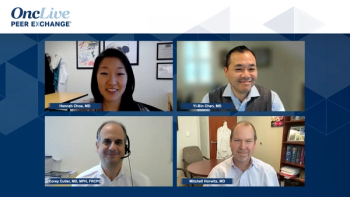
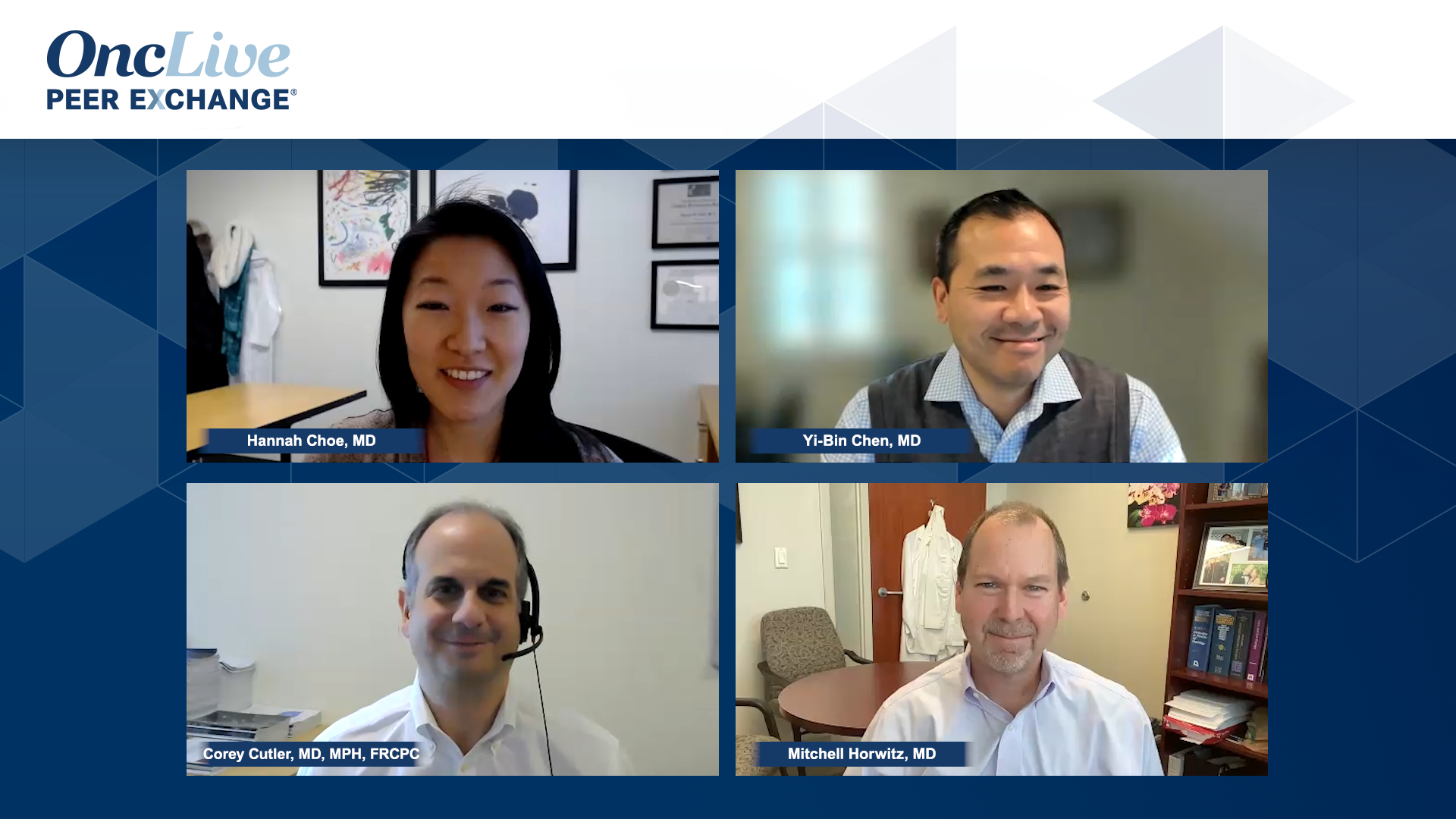
Drs Yi-Bin Chen, Corey Cutler, Hannah Choe, and Mitchell Horwitz discuss the complexities of chronic GVHD management, highlighting recent developments and efforts to reduce reliance on steroids.
The GVHD experts discuss recent advancements in chronic GVHD treatment, focusing on agents ruxolitinib, ibrutinib, and belumosudil and their mechanisms of action. The panel emphasizes the need for ongoing research and clinical trials to refine treatment strategies.
Matthew S. Davids, MD, MMSc, discusses key efficacy results from 2 follow-up analyses of the phase 1/2 BRUIN trial evaluating pirtobrutinib.
Advertisement
Advertisement
Trending on OncLive
1
FDA Approves Bioequivalent Olaparib Across Previously Approved Cancer Indications
2
Longer-Term Data Help Shape TKI Selection in ROS1+ and ALK+ NSCLC
3
Experts Revisit the Most Notable Data in GU Oncology From ASCO 2026
4
Dr Mardones on Giredestrant Plus Palbociclib in Estrogen Receptor+ Breast Cancer
5