
Hematologic Oncology
Latest News

FDA Grants Fast Track Status to SLS009 for Relapsed/Refractory Acute Myeloid Leukemia
By Kristi Rosa
Advertisement
Latest Videos










































Advertisement
More News
Nicole Lamanna, MD, looks ahead at the future of treatment of B-cell malignancies, highlighting exciting therapeutic developments.
Peter Martin, MD, discusses recent data on tazemetostat, an EZH2 inhibitor, as third-line and beyond therapy for FL.
Matthew Lunning, DO, discusses recent data on bispecific T-cell engagers as third-line and beyond therapy for FL.
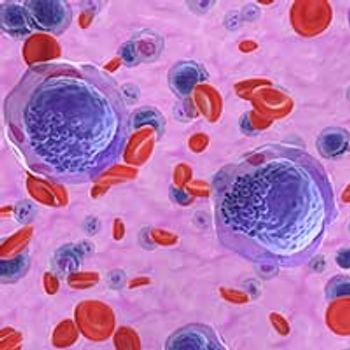
Asciminib demonstrated a favorable safety profile and induced statistically significant and clinically meaningful major molecular response benefits vs standard-of-care TKIs in patients with newly diagnosed, Philadelphia chromosome-positive chronic myeloid leukemia in chronic phase.
Sikander Ailawadhi, MD, discusses characteristics of myelofibrosis that influence decisions between JAK inhibitors, highlights differences between bispecific antibodies to consider when managing diffuse large B-cell lymphoma, and more.
Andrew Ip, MD, discusses findings from a study on the use of next-generation sequencing of flow cytometry CD markers and machine learning as a replacement to flow cytometry analysis for the diagnosis of hematologic neoplasms.
A discussion about how ensuring continuity of care for patients with AML on maintenance therapy with a focus on how the care team can coordinate to ensure best outcomes.
Catherine E. Lai, MD, MPH, discusses the goals of maintenance therapy, how to manage treatment-related adverse events, and the impact of treatment on patient’s quality of life.
Brian T. Hill, MD, PhD, discusses the final results from a phase 1/2 trial of carfilzomib given with R-CHOP in the frontline setting for patients with non-germinal center diffuse large B-cell lymphoma.
David A. Sallman, MD, discusses the rationale for conducting a phase 2, multi-institutional, investigator-initiated clinical trial on the use of fedratinib in patients with myelodysplastic syndromes/myeloproliferative neoplasm overlap syndromes and chronic neutrophilic leukemia.
A hematologist/oncologist discusses ongoing research on targeted therapy for patients with relapsed/refractory chronic lymphocytic leukemia.
Comprehensive insights on clinical and patient factors that inform treatment selection and sequencing for patients with B-cell malignancies.
Bijal Shah, MD, discusses recent data on CAR T-cell therapy as third-line and beyond treatment for FL.
Experts on follicular lymphoma discuss second-line treatment options available for patients.
A panel of experts review latest data from ASH 2023 on approved and emerging therapies in frontline FL.
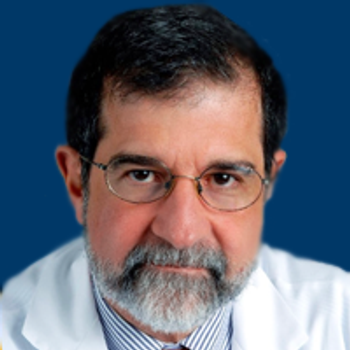
Fernando Cabanillas, MD, a mentor and leader in the lymphoma field, is being recognized for his contributions to the hematologic oncology space.

Dedication to his patients and the field of hematology spanning decades has led Stephen J. Forman, MD, to break down barriers for treating patients with leukemia and lymphoma.
A review of recent data regarding maintenance therapy for patients with AML who achieve first remission, including updates from the 2023 ASH Annual meeting.
Catherine E. Lai, MD, MPH, shares her approach to treatment after a patient with AML completes induction therapy.
Expert perspectives on the toxicities seen with targeted therapies in chronic lymphocytic leukemia and how they’re mitigated and managed.
An expert on hematologic malignancies discusses recent data from ASH 2023 in relapsed/refractory CLL/SLL, highlighting the ALPINE study investigating zanubrutinib versus ibrutinib.
The 2023 ESMO Congress took place October 20 to 24 in Madrid, Spain, with global perspectives on groundbreaking data. We break down some of the key highlights from the annual meeting that oncology fellows should absorb, and apply to practice, as soon as possible.
Fred Locke, MD shares his perspective on the future treatment paradigm in large B-cell lymphoma, emphasizing CAR-T cells, allogeneic strategies, bispecifics, toxicity management, and treatment sequencing.
Expert discusses the emergence of recently approved bispecific antibodies in R/R LBCL, emphasizing the importance of toxicity management for adverse events such as cytokine release syndrome (CRS).
Insight into monitoring patients who are being treated for AML, what constitutes complete remission, and how and why it’s important to test for minimal residual disease to determine a patient’s risk for relapse.
Advertisement
Advertisement
Trending on OncLive
1
FDA Approves Bioequivalent Olaparib Across Previously Approved Cancer Indications
2
Experts Revisit the Most Notable Data in GU Oncology From ASCO 2026
3
Longer-Term Data Help Shape TKI Selection in ROS1+ and ALK+ NSCLC
4
Dr Mardones on Giredestrant Plus Palbociclib in Estrogen Receptor+ Breast Cancer
5