

Hematologic Oncology
Latest News
Advertisement
Latest Videos
















































Advertisement
More News

Low-dose venetoclax monotherapy demonstrated antitumor activity in patients with heavily pretreated multiple myeloma and light chain amyloidosis harboring t(11;14).

Bristol Myers Squibb has made the decision to withdraw in the indication for romidepsin as a monotherapy for the treatment of adult patients with peripheral T-cell lymphoma who have previously received at least 1 therapy.
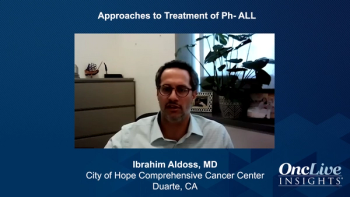
Ibrahim Aldoss, MD; and James K. McCloskey, MD, discuss how to approach the treatment of a pediatric or AYA patient with ALL who is Philadelphia chromosome-negative (Ph-).
A review of the design, results, and practical implications of the GIMEMA Trial.
The panel of experts highlights the importance of assessing symptomology and clinical characteristics in mast cell disorders.
Experts in the field of mast cell disorders discuss the epidemiology and diagnostic criteria of systemic mastocytosis.

The combination of ivosidenib plus azacitidine significantly improved event-free survival compared with azacitidine plus placebo in previously untreated patients with IDH1-mutated acute myeloid leukemia, meeting the primary end point of the phase 3 AGILE trial.
Key opinion leaders highlight treatment approaches for patients with DLBCL (diffuse large B-cell lymphoma) who are ineligible for transplant.
Greg Nowakowski, MD [Mayo Clinic, Rochester, Minnesota], reviews the data from the L-MIND trial of tafasitamab and lenalidomide for transplant-ineligible patients with R/R DLBCL (relapsed/refractory diffuse large B-cell lymphoma).

The FDA has granted a fast track designation to eryaspase for use as a potential therapeutic option in patients with acute lymphocytic leukemia who have developed hypersensitivity reactions to Escherichia coli–derived pegylated asparaginase.
A review of how frontline therapy selection for patients with CLL is informed by molecular testing, staging, and risk stratification amidst a multitude of other disease factors.
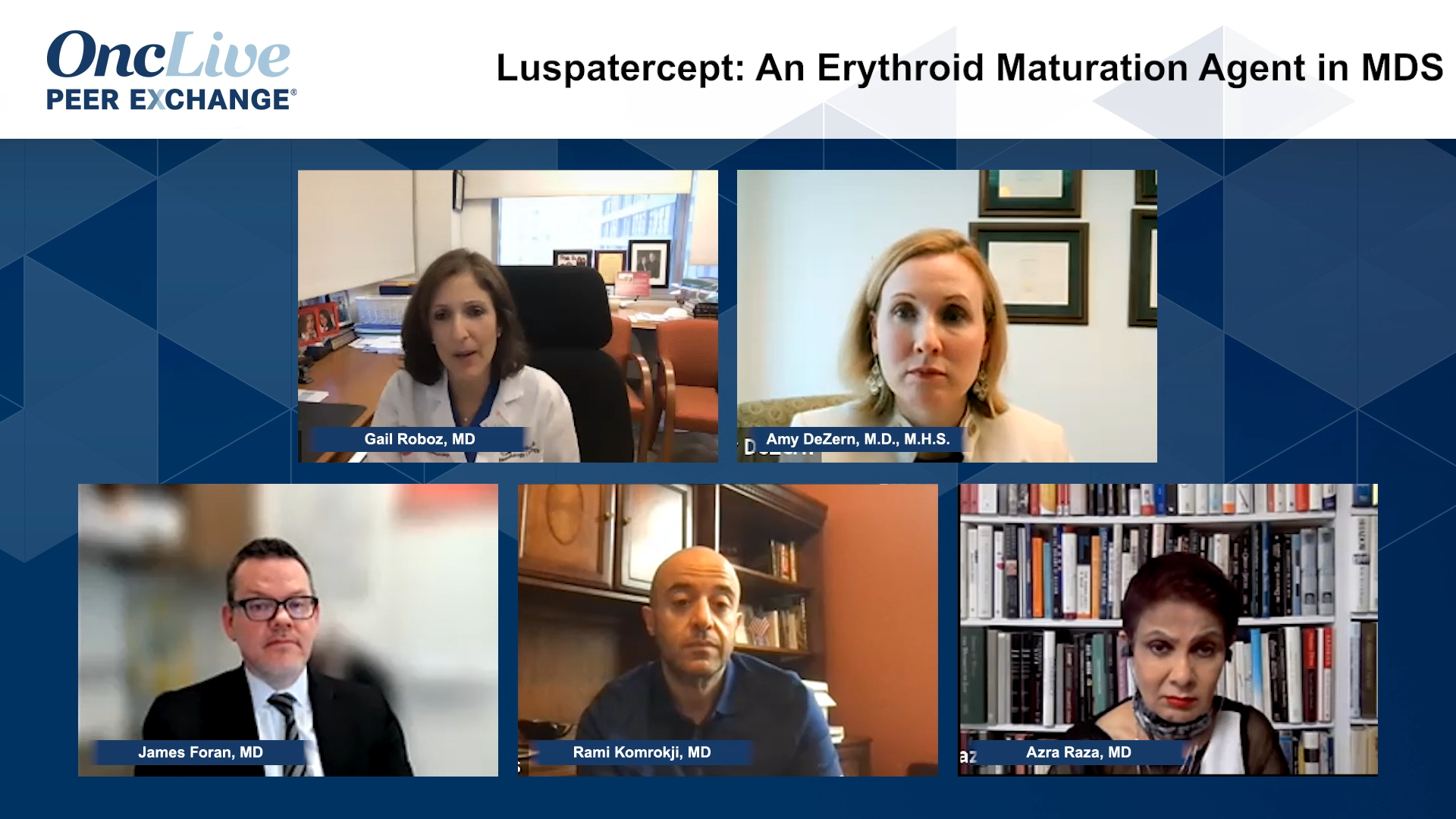
The panel of experts discusses considerations necessary when recommending treatment with erythropoiesis-stimulating agents in patients with myelodysplastic syndrome.
Expert insight on the impact that targeted therapies have had on the frontline treatment landscape of chronic lymphocytic leukemia.
Rami Komrokji, MD, discusses his approach to treatment in patients with myelodysplastic syndrome, while being mindful of recommended guidelines.
A panel of thought leaders in AML examines single-agent and combination-based approaches using the second-generation FLT3 inhibitors gilteritinib, quizartinib, and crenolanib.
Experts in hematologic malignancies provide key insights into the use of FLT3 inhibitors and discuss whether it is possible to predict patients who may benefit from midostaurin + chemotherapy.

The IDH2 inhibitor enasidenib demonstrated promising efficacy in combination with azacitidine and as a single agent in patients with high-risk, IDH2-mutated myelodysplastic syndrome.

A discussion on how to approach the treatment of a pediatric or AYA (adolescent and young adult) patient with ALL (acute lymphoblastic leukemia) who is Philadelphia chromosome positive (Ph+ALL).
Ibrahim Aldoss, MD, and James K. McCloskey, MD, share their thoughts on different stratification measures used to assess risk in pediatric, adolescent, and young adult patients newly diagnosed with ALL.
Key opinion leaders discuss recommended second-line treatment options for patients with DLBCL.
Cyrus Khan, MD, reviews the management of DLBCL after relapse on frontline therapy.

The combination of brentuximab vedotin plus doxorubicin, vinblastine, and dacarbazine with and without consolidative radiotherapy was found to have strong efficacy and favorable tolerability in patients with early-stage, unfavorable-risk, Hodgkin lymphoma.
The panel of leukemia experts highlight the importance of individualized treatments for patients with myelodysplastic syndrome.
Rami Komrokji, MD, and Gail Roboz, MD, discuss the importance of staging models in the diagnosis and routine assessment of patients with myelodysplastic syndrome.

Data presented during the 2021 ASCO Annual Meeting offered insight into the optimization of BTK inhibitors, induction therapy, consolidative therapy, and radiation therapy for patients across the paradigm of hematologic malignancies.
Advertisement
Advertisement
Trending on OncLive
1
FDA Approves Zidesamtinib in Pretreated ROS1+ NSCLC
2
Ivonescimab Plus Chemotherapy Sustains OS Benefit Across Western and Asian Patients in Pretreated EGFR-Mutated NSCLC
3
How Are Treatment Intensification and Sequencing Reshaping Care in Prostate Cancer and RCC
4
Sacituzumab Govitecan Yields Responses in Platinum-Resistant Ovarian Cancer
5