



Hematologic Oncology
Latest News

Advertisement
Latest Videos




















































Advertisement
More News

Expert hematologist-oncologists examine the use of tazemetostat based on a phase 2 trial for relapsed/refractory follicular lymphoma and consider clinical implications.

Dr Alexey Danilov reviews the 2-year follow-up of the phase 2 CHRONOS-1 study evaluating the use of copanlisib monotherapy in relapsed/refractory follicular lymphoma.
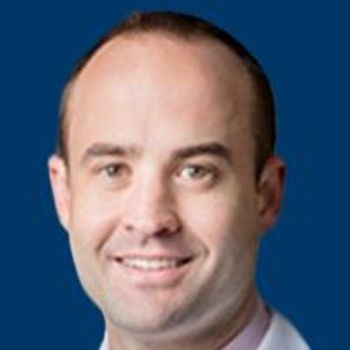
David Sallman, MD, discusses incorporating mutational testing of patients with myelodysplastic syndrome into clinical practice, and strategies that can be utilized to treat this population.
The combination of enasidenib plus azacitidine was well tolerated and induced significantly improved response rates compared with azacitidine alone in patients with newly diagnosed, IDH2-mutant acute myeloid leukemia.

The FDA has granted a priority review designation to a biologics license application for betibeglogene autotemcel for the treatment of adult, adolescent, and pediatric patients with β-thalassemia across all genotypes who require regular red blood cell transfusions.

Novel approaches with highly active, minimally toxic agents are needed to improve upon traditional chemotherapy and possibly eliminate chemotherapy altogether in the treatment of patients with acute lymphoblastic leukemia.
Joyce L. Neumann, PhD, APRN, AOCN, BMTCN, FAAN, discusses the variability in cGVHD presentation, key symptoms of the disease in patients with cancer, and how the field is navigating between available therapies.

Tycel Jovelle Phillps, MD, shares second-line treatment approaches for the management of follicular lymphoma and examines the use of PI3K inhibitors.
Alexey Danilov, MD, and Tycel Jovelle Phillips, MD, provide insight on common signs and symptoms of follicular lymphoma (FL) and factors to consider when selecting first-line therapy.
Patients with lymphoid malignancies, especially those who have received recent anti-CD20 antibody therapy, have reduced humoral responses to the mRNA COVID-19 vaccines, and as such, should continue to take precautionary measures against COVID-19 infection irrespective of vaccination status.

The addition of quizartinib to chemotherapy resulted in a statistically significant and clinically meaningful improvement in overall survival vs standard chemotherapy alone in patients with newly diagnosed, FLT3-ITD–positive acute myeloid leukemia.
Corey S. Cutler, MD, MPH, FRCPC, discusses the diagnostic and treatment landscape of chronic graft-vs-host disease.
Although mortality rates in patients with hematologic cancers who develop breakthrough COVID-19 cases after vaccination are high, there has been a significant decrease in incidence since vaccines have become available.
Closing out his discussion on chronic GVHD, Corey Cutler, MD, MPH, FRCPC, discusses belumosudil and how all 3 newly approved agents fit into the evolving treatment landscape.
Expert insight on the study design and results of REACH-3, which tested ruxolitinib in patients with steroid-refractory chronic GVHD.
Corey Cutler, MD, MPH, FRCPC, reviews the study design and results of REACH-2, which tested ruxolitinib in patients with steroid-refractory acute GVHD.
A comprehensive review of the treatment armamentarium for patients with chronic graft vs host disease.
Expert insight on prophylaxis in graft vs host disease, with a focus on specific pharmacologics and the overall efficacy of prophylactic strategies.
Corey Cutler, MD, MPH, FRCPC, provides an overview of graft vs host disease and some of the factors that may put patients at higher risk.
Gamida Cell Ltd. has completed a Type B Pre-Biologics License Application meeting with the FDA to discuss the investigational advanced cell therapy omidubicel as a potential therapeutic option for patients with blood cancers who require stem cell transplant.
The FDA cleared an investigational new drug application for a phase 1b clinical trial examining DSP107, a first-in-class anti-CD47 fusion protein, in patients with acute myeloid leukemia and myelodysplastic syndrome.

Newer modalities are exploring ways to provide more specificity on the value of minimal residual disease negativity in acute myeloid leukemia, since currently there is little definitive action that can be taken with the marker in clinical practice, according to Naval Daver, MD.

Dr. Shah discusses the FDA approval of brexucabtagene autoleucel in relapsed/refractory B-cell acute lymphoblastic leukemia, key findings from the pivotal ZUMA-3 trial, and next steps with CAR T-cell therapy in the field.

Devimistat, which is being evaluated in combination with modified FOLFIRINOX in the frontline treatment of patients with metastatic adenocarcinoma of the pancreas, failed to meet the primary end point of overall survival in the phase 3 AVENGER 500 trial.

The FDA has granted an accelerated approval to asciminib for patients with Philadelphia chromosome (Ph)–positive chronic myeloid leukemia (CML) in chronic phase who have previously been treated with 2 or more TKIs, and for those with Ph-positive CML in chronic phase with a T315I mutation.
Advertisement
Advertisement
Trending on OncLive
1
FDA Approves Zidesamtinib in Pretreated ROS1+ NSCLC
2
Ivonescimab Plus Chemotherapy Sustains OS Benefit Across Western and Asian Patients in Pretreated EGFR-Mutated NSCLC
3
Sacituzumab Govitecan Yields Responses in Platinum-Resistant Ovarian Cancer
4
How Are Treatment Intensification and Sequencing Reshaping Care in Prostate Cancer and RCC
5