



Immuno-Oncology
Latest News
Advertisement
Latest Videos
































































Advertisement
More News

Geoffrey Sklar, MD, Chief Medical Officer, Chesapeake Urology Associates, discusses the role of nivolumab in the treatment of patients with bladder cancer.

The FDA has granted a priority review to a supplemental new drug application for the use of the PD-L1 inhibitor atezolizumab in cisplatin-ineligible patients with locally advanced or metastatic urothelial carcinoma as a frontline therapy or following progression occurring ≥12 months after neoadjuvant or adjuvant chemotherapy.

Farhad Kosari, PhD, assistant professor of Biochemistry and Molecular Biology, discusses anti-tumor immunity as a key determinant for small-cell lung cancer (SCLC) survivorship.
Raffit Hassan, MD, head of Thoracic and Solid Tumor Immunotherapy Section at the National Cancer Institute Center for Cancer Research discusses immunotherapy in malignant pleural mesothelioma.

Hans Hammers, MD, PhD, associate professor, Internal Medicine, UT Southwestern Medical Center, discusses a mature data set regarding nivolumab and ipilimumab in the treatment of patients with renal cell carcinoma.

Roy S. Herbst, MD, PhD, professor of Medicine, chief of Medical Oncology, Yale Cancer Center and Smilow Cancer Hospital, discusses the impact that immunotherapy has had on the frontline treatment of patients with lung cancer.
Everett Vokes, MD, John E. Ultmann Professor of Medicine and Radiation Oncology, physician-in-chief, University of Chicago Medical Center, chair, Department of Medicine, University of Chicago Medicine, discusses the possibility of moving immunotherapy agents into the frontline setting for patients with head and neck cancer.
In the treatment paradigm of chronic lymphocytic leukemia, anti-CD20 antibodies such as obinutuzumab, and other targeted agents like ibrutinib, have shown promising efficacy and tolerability when compared with standard chemoimmunotherapy.
Mark G. Kris, MD, a medical oncologist at Memorial Sloan Kettering Cancer Center, discusses what the future holds for the development of immunotherapy and targeted therapy in the treatment of patients with lung cancer.
Daniel P. Petrylak, MD, professor of Medicine and Urology, Yale Cancer Center, discusses the recent explosion of immunotherapy research in the treatment landscape of bladder cancer.

According to Nancy Gordon, MD, immunotherapy stands to play a critical role in the treatment of patients with osteosarcoma and lung metastases.

In recent years, advancements in the treatment of patients with metastatic melanoma have proceeded in 2 areas: targeted therapies and immunotherapies.

In August 2016, the FDA approved pembrolizumab for patients with platinum-refractory squamous cell carcinoma of the head and neck. Not only was it the first immunotherapy approved for head and neck cancer (HNC), but it marked the first new drug approval for HNC in the United States in 20 years.
Two of the most noteworthy developments in the oncology field during 2016 were the continued expansion of checkpoint blockade immunotherapy agents into more cancer types and the federal government’s plans for funding and remaking the research paradigm.
Don M. Benson Jr, MD, PhD, discusses the clinical development of KIR-targeted therapies.
Igor Puzanov, MD, director, Early Phase Clinical Trials Program, chief of Melanoma, coleader, CCSG Experimental Therapeutics Program, professor of Oncology, Department of Medicine, Roswell Park Cancer Institute, discusses ways to manage patients with melanoma who may experience adverse events in response to treatment with immunotherapy.
Omid A. Hamid, MD, chief, Translational Research and Immunotherapy, director, Melanoma Therapeutics, The Angeles Clinic and Research Institute, discusses how to accurately select patients who are likely to have durable and long responses with single-agent immunotherapy versus combination treatment.
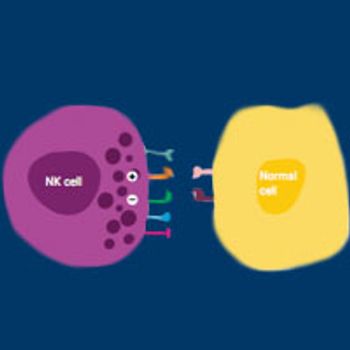
Although T cells have commanded most of the attention in the burgeoning immuno-oncology field, there is a growing appreciation that other immune cells have important roles in tumor surveillance and would represent attractive therapeutic targets.
Yvonne Saenger, MD, director of Melanoma Immunotherapy at Columbia University Medical Center, discusses immunotherapy combinations in melanoma.

The landscape of multiple myeloma continues to shift with more drug approvals, but pivotal results out of the 2016 ASH Annual Meeting will likely alter it even further.
Jedd D. Wolchok, MD, PhD, chief, Melanoma and Immunotherapeutics Service, Department of Medicine and Ludwig Center at Memorial Sloan Kettering Cancer Center, 2014 Giant of Cancer Care in Melanoma, discusses an ongoing clinical trial that will explore optimal treatments for patients with melanoma who fail on a PD-1 inhibitor as a single agent.
An immunotherapy combination that adds the interleukin-10 agonist AM0010 to FOLFOX chemotherapy will be evaluated in a phase III trial for patients with metastatic pancreatic cancer that could introduce a new modality to the treatment paradigm for the malignancy.

Naval Daver, MD, assistant professor, Department of Leukemia, Division of Cancer Medicine, The University of Texas MD Anderson Cancer Center, Houston, TX, discusses research evaluating different immune checkpoint pathways in patients with acute myeloid leukemia.
Jason J. Luke, MD, an assistant professor of Medicine at the University of Chicago Medicine, discusses ongoing studies exploring immunotherapy for the treatment of patients with melanoma.
Everett Vokes, MD, John E. Ultmann Professor of Medicine and Radiation Oncology, physician-in-chief, University of Chicago Medical Center, chair, Department of Medicine, University of Chicago Medicine, discusses how to choose between nivolumab (Opdivo) and pembrolizumab (Keytruda) for second-line treatment for patients with head and neck cancer.
Advertisement
Advertisement
Trending on OncLive
1
FDA Approves Tucatinib Plus Trastuzumab/Pertuzumab as First-Line Maintenance in Advanced HER2+ Breast Cancer
2
Iberdomide Plus Daratumumab/Dexamethasone Yields Significant PFS Benefit in R/R Myeloma
3
FDA Approves Atezolizumab Plus Chemo for Stage III dMMR Colon Cancer
4
VIR-5500 Receives FDA Fast Track Designation in mCRPC
5