


Melanoma & Skin Cancer
Latest News
Advertisement
Latest Videos































































Advertisement
More News
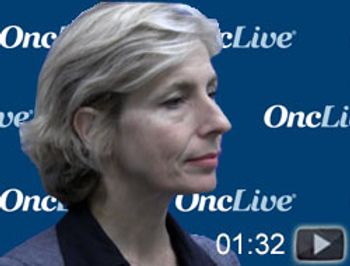
Caroline Robert, MD, PhD, Head of Dermatology, Institute Gustave-Roussy, discusses the next steps following the results of the phase III COMBI-v study in BRAF-mutant melanoma.
Jason Luke, MD, Assistant Professor of Medicine, The University of Chicago Medicine, discusses IDO inhibitors in melanoma.
Keith T. Flaherty, MD, director of Developmental Therapeutics at the Cancer Center of Massachusetts General Hospital, discusses resistance that develops in patients with BRAF-mutant melanoma.

Caroline Robert, MD, PhD, Head of Dermatology, Institute Gustave-Roussy, discusses the results of the phase III COMBI-v study in BRAF-mutant melanoma during an interview at the ESMO 2016 Congress.
Treatment with ipilimumab reduced the risk of death by 28% versus placebo in patients with high-risk stage III melanoma.
Over one-fourth of patients with metastatic melanoma in Europe do not have access to groundbreaking therapies that could extend their lives.
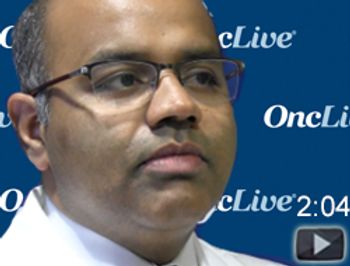
Kiran Turaga, MD, MPH, surgical oncologist, University of Chicago Cancer Center, discuses regional therapies in melanoma.
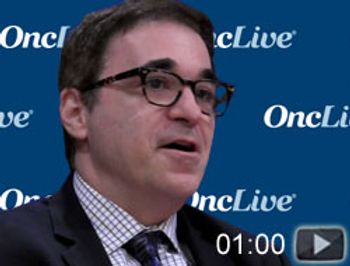
Howard L. Kaufman, MD, chief surgical officer, associate director for Clinical Science, surgical oncologist, Rutgers Cancer Institute of New Jersey, discusses oncolytic immunotherapy talimogene laherparepvec (T-VEC; Imlygic) for treatment of patients with melanoma, as well as the agent's side effect profile.
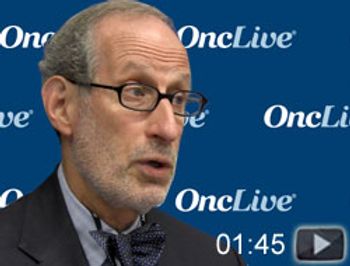
Jeffery S. Weber, MD, PhD, deputy director of the Laura and Isaac Perlmutter Cancer Center, co-director of the Melanoma Program, and head of Experimental Therapeutics at NYU Langone Medical Center, discusses considering factors when selecting an immunotherapy agent for a patient with melanoma.
The combination of the BRAF inhibitor encorafenib and the MEK inhibitor binimetinib improved progression-free survival compared with single-agent vemurafenib for patients with BRAF-mutant melanoma.
Yvonne Saenger, MD, director of Melanoma Immunotherapy at Columbia University Medical Center, discusses ongoing research related to immunotherapy in the field of melanoma. Sanger shared this insight during an interview with OncLive during the recent Society for Immunotherapy of Cancer Cancer Immunotherapy 101 meeting in New York City.

Reinhard Dummer, MD, professor, Department of Dermatology, University of Zurich Hospital, discusses driver mutations and next steps in the treatment of patients with melanoma.
Jedd D. Wolchok, MD, PhD, chief, Melanoma and Immunotherapeutics Service, Department of Medicine and Ludwig Center at Memorial Sloan Kettering Cancer Center, discusses the safety profile in the CheckMate-067 trial, which examined nivolumab combined with ipilimumab in treatment-naïve patients with advanced melanoma.
John A. D'Orazio, MD, PhD, associate professor, Department of Pediatrics, College of Medicine, University of Kentucky Markey Cancer Center, discusses ongoing research exploring ultraviolet radiation signature mutations in patients with melanoma.
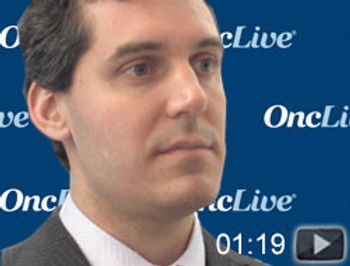
Michael A. Postow, MD, medical oncologist, Memorial Sloan Kettering Cancer Center, discusses the current treatment landscape in melanoma.
BRAF mutation testing has become an essential tool in the diagnostic workup and management of patients with advanced melanoma. Activating mutations of BRAF are present in 40% to 60% of all melanoma cases, with more than 90% of mutations found at codon 600 in exon 15.
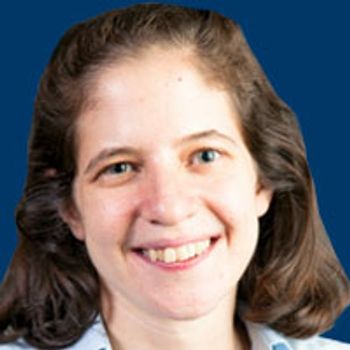
Yvonee Saenger, MD, discusses ongoing developments with immunotherapy in melanoma.
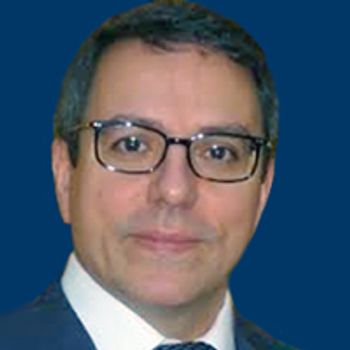
The FDA has assigned a standard review designation to a new drug application for binimetinib as a treatment for patients with NRAS-mutant advanced melanoma.
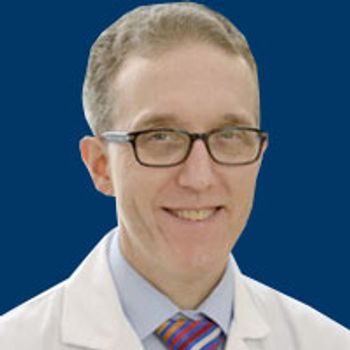
Jedd D. Wolchok, MD, PhD, discusses two pivotal studies, their impacts, and how far the field of immunotherapy has come in melanoma.
With several more melanoma treatments poised to emerge from the pipeline, data on the optimal way to incorporate these novel drugs into practice lag far behind the breakneck pace of approvals.
Norman E. Sharpless, MD, discusses the impact of the CheckMate-069 trial, the toxicities that are associated with nivolumab (Opdivo)/ipilimumab (Yervoy), and what the future holds for immunotherapy combinations in the field of melanoma.
Advertisement
Advertisement
Trending on OncLive
1
FDA Approves Atezolizumab Plus Chemo for Stage III dMMR Colon Cancer
2
VIR-5500 Receives FDA Fast Track Designation in mCRPC
3
China’s NMPA Approves Adjuvant T-DXd for HER2+ Early Breast Cancer With Residual Invasive Disease
4
Individualized Neoantigen Vaccine Elicits Durable T-Cell Responses in Resected HPV– HNSCC
5