




Multiple Myeloma
Latest News
Advertisement
Latest Videos








CME Content








































Advertisement
More News
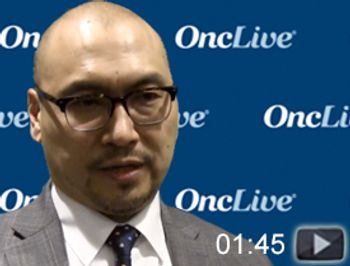
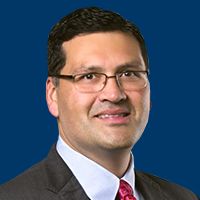
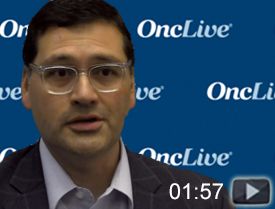
Hearn Jay Cho, MD, PhD, associate professor of medicine, Hematology/Oncology, Icahn School of Medicine, Mount Sinai Hospital, discusses the role of bispecific agents in the treatment of patients with myeloma.

Sarah Holstein, MD, PhD, associate professor of medicine, University of Nebraska, discusses considerations for determining on optimal treatment sequence for patients with myeloma.
The FDA has scheduled an Oncologic Drugs Advisory Committee hearing for February 26, 2019, to discuss a new drug application for selinexor in combination with dexamethasone for the treatment of patients with penta-refractory multiple myeloma.

Sarah Holstein, MD, PhD, highlights the vast treatment paradigm of myeloma and shared some considerations for sequencing.

Jesus Berdeja, MD, director of Multiple Myeloma Research at Sarah Cannon Research Institute, discusses maintenance therapy in multiple myeloma.
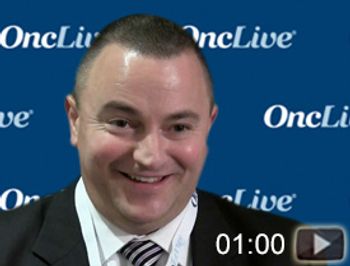
Jason Valent, MD, an oncologist at Cleveland Clinic, discusses ongoing research with immunotherapy, specifically checkpoint inhibitors, in the treatment of patients with multiple myeloma.

Isatuximab in combination with pomalidomide (Pomalyst) and low-dose dexamethasone was shown to prolong progression-free survival compared with pomalidomide and dexamethasone alone in patients with relapsed/refractory multiple myeloma.
Ajai Chari, MD, associate professor, Icahn School of Medicine, Mount Sinai Health System, discusses the role of immunotherapy in the treatment of patients with myeloma.
Samir Parekh, MD, associate professor, Icahn School of Medicine, Mount Sinai Health System, discusses a promising potential biomarker for response to selinexor in patients with myeloma.

Ajai Chari, MD, discusses novel treatment approaches for patients with heavily pretreated multiple myeloma.

Cristina Gasparetto, MD, discusses the combination of daratumumab, selinexor, and dexamethasone in patients with multiple myeloma who have previously received ≥3 lines of therapy, which include an immunomodulatory agent and a proteasome inhibitor.

A supplemental Biologics License Application (sBLA) has been initiated with the FDA for daratumumab (Darzalex) for use in combination with lenalidomide (Revlimid) and dexamethasone (DRd) for the treatment of certain patients with multiple myeloma.

Sundar Jagannath, MD, director of the Multiple Myeloma program and professor of medicine at the Tisch Cancer Institute, Mount Sinai Health System, discusses the progress that has been made in transplant-ineligible patients with multiple myeloma.

Maria-Victoria Mateos, MD, PhD, discusses the updated findings from the ALCYONE trial in patients with newly diagnosed multiple myeloma.

Robert M. Rifkin, MD, highlights the results of a trial evaluating the safety of split-dosing administration of daratumumab in patients with multiple myeloma.
Ajai Chari, MD, associate professor, Icahn School of Medicine, Mount Sinai Hospital, discusses the treatment of patients with penta-refractory multiple myeloma.

Sandy Wong, MD, assistant professor, University of California, San Francisco (UCSF) School of Medicine, discusses an investigational antibody-drug conjugate (ADC) in multiple myeloma.

The development of cancer treatments and diagnostic tools using CRISPR/Cas9 and other gene-editing technology is a promising area of research in the United States, although the field is moving into human studies at a relatively slow pace.




Advertisement
Advertisement
Trending on OncLive
1
Five Under 5: Top Oncology Videos for the Week of 8/31/26
2
FDA Approves Camizestrant Plus a CDK4/6 Inhibitor for Emergent ESR1-Mutated HR+, HER2– Advanced Breast Cancer
3
B7-H4–Targeted ADCs Signal a New Frontier for Platinum-Resistant Ovarian and Endometrial Cancer
4
Ivonescimab Meets OS End Point vs Pembrolizumab in First-Line PD-L1+ NSCLC
5