
Non-Hodgkin Lymphoma
Latest News
Advertisement
Latest Videos










































Advertisement
More News
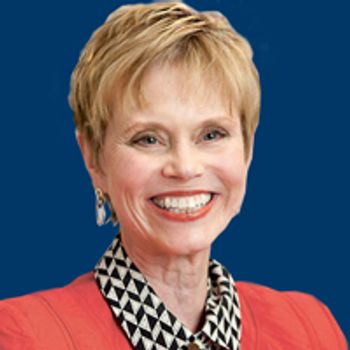
The FDA has granted a priority review designation to polatuzumab vedotin for use in combination with bendamustine and rituximab for the treatment of patients with relapsed/refractory diffuse large B-cell lymphoma.
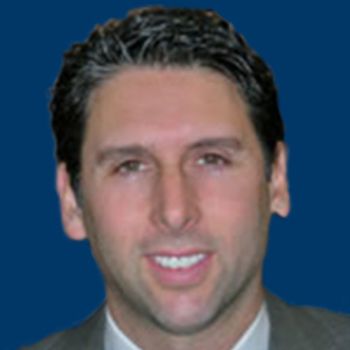
The FDA has granted umbralisib (TGR-1202) a breakthrough therapy designation for the treatment of adult patients with marginal zone lymphoma who have received 1 prior anti-CD20 regimen.
Over the past 2 decades, considerable efforts have focused on the development of therapies that can restore apoptosis in malignant cells.
The understanding of the BCL2 oncogene and the BCL-2 protein family have motivated the current advancements in cancer therapeutics that target different members of apoptotic regulatory networks.
Steven M. Horwitz, MD, medical oncologist, Memorial Sloan Kettering Cancer Center, discusses the results of the ECHELON-2 study in patients with CD30+ peripheral T-cell lymphomas (PTCL).
Selinexor monotherapy induced deep and durable responses in the phase IIb SADAL study of patients with relapsed/refractory diffuse large B-cell lymphoma who are not candidates for autologous stem cell transplantation.
Although many new drugs have been introduced for treating patients with hematologic malignancies, stem cell transplantation remains a vital part of the therapeutic paradigm, particularly for multiple myeloma and non-Hodgkin lymphoma.
The addition of brentuximab vedotin to chemotherapy led to a clinically meaningful improvement in progression-free and overall survival in patients with CD30-expressing peripheral T-cell lymphoma.
Viola Poeschel, MD, department of hematology, oncology and rheumatology, Saarland University Medical School, Germany, discusses outcomes of patients with diffuse large B-cell lymphoma (DLBCL) who were treated with 4 cycles of R-CHOP during the 2018 ASH Annual Meeting.

Charalambos (Babis) Andreadis, MD, MSCE, associate professor of clinical medicine, Department of Medicine, University of California, San Francisco (UCSF) Helen Diller Family Comprehensive Cancer Center, discusses the treatment of patients with relapsed diffuse large B-cell lymphoma.
The R2 regimen of lenalidomide (Revlimid) plus rituximab (Rituxan) reduced the risk of disease progression or death by 54% versus rituximab alone in patients with relapsed/refractory indolent non-Hodgkin lymphoma.
Advertisement
Advertisement
Trending on OncLive
1
Ifinatamab Deruxtecan BLA Voluntarily Withdrawn in Previously Treated Extensive-Stage SCLC
2
Tegavivint Plus Osimertinib Shows Early Activity in First-Line EGFR-Mutated NSCLC
3
Etentamig Improves Response and PFS vs Standard Therapies in Triple-Class Exposed Relapsed/Refractory Myeloma
4
FDA Approves Lirafugratinib for Pretreated, Locally Advanced or Metastatic Cholangiocarcinoma
5