





Ovarian Cancer
Latest News

FDA Approves Pafolacianine Sodium Injection for Ovarian Cancer Identification
By Gina Mauro
Advertisement
Latest Videos































































Advertisement
More News
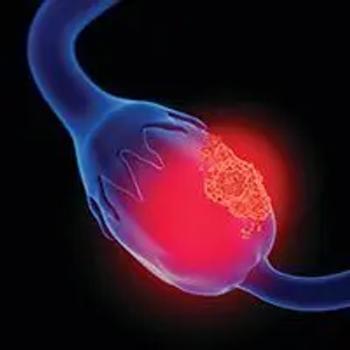
The combination of the PD-1/VEGF bispecific antibody AK112 and the PARP inhibitor olaparib is under investigation as a potential treatment option for patients with BRCA1/2 germline wild-type, platinum-sensitive, recurrent ovarian cancer as part of a phase 1b/2 trial.

The investigative agent SL-172154 was found to be well tolerated, with no dose-limiting toxicities observed, in patients with platinum-resistant ovarian cancer, according to findings from a phase 1 dose-escalation trial presented during the 2021 SITC Annual Meeting.

Maurie Markman, MD, discusses the need for peer-reviewed publications to encourage further discussion and debate, challenge existing ideas or dogma, or provide support for current biological concepts or in the clinical realm for treatment of patients.

Sanaz Memarzadeh, MD, PhD, discusses the potential for frontline combination therapy regimens in ovarian cancer.

Ritu Salani, MD, MBA, discusses future research opportunities for improving the treatment of patients with recurrent ovarian cancer.

Puja S. Venkat, MD, discusses unmet needs in ovarian cancer.

Jubilee Brown, MD, discusses the utility of PARP inhibitors in patients with recurrent platinum-sensitive ovarian cancer.
The FDA has granted a fast track designation to the interleukin-2 variant immunotherapy nemvaleukin alfa for use in combination with pembrolizumab in the treatment of patients with platinum-resistant ovarian cancer.

Angeles A. Secord, MD, discusses the design of the phase 3b OReO trial in ovarian cancer.

The bicycle toxin conjugates BT5528 and BT8009 have showcased preliminary signs of antitumor activity and encouraging tolerability when administered to patients with solid tumors such as urothelial cancer and ovarian cancer.

Tiffany S. Lai, MD, discusses the role of maintenance therapy and secondary cytoreduction in ovarian cancer.

Puja S. Venkat, MD, discusses treatment considerations for patients with ovarian cancer.
Angeles A. Secord, MD, discusses the individual therapeutic preferences and treatment considerations for patients with platinum-sensitive ovarian cancer.

Dr. Moore discusses the basis for studying the combination of VS-6766 and defactinib in recurrent low-grade serous ovarian cancer, data that has been generated with the combination from the phase 1/2 FRAME trial, and the potential role for the combination in clinical practice.

Nicoletta Colombo, MD, PhD, discusses efficacy achieved with the addition of pembrolizumab to chemotherapy in patients with persistent, recurrent, or metastatic cervical cancer.

Jubilee Brown, MD, discusses the clinical implications of the phase 3 PRIMA trial in advanced ovarian cancer.

Ritu Salani, MD, MBA, discusses the rationale for combinations of immunotherapy and PARP inhibitors in ovarian cancer.

Angeles A. Secord, MD, discusses treating patients with platinum-sensitive ovarian cancer.

Immunotherapy is emerging as a preferred second-line treatment option for patients with gynecologic cancers, including endometrial and cervical cancer. Checkpoint inhibitors may also be preferred to chemotherapy in the frontline or adjuvant settings based on improved efficacy.

Germ cell tumors of the ovary are aggressive tumors derived from the primitive germ cells of the embryonic gonad and appear most often in young women or adolescent girls.

Floor J. Backes, MD, discusses challenges regarding staging and treatment locations in ovarian germ cell tumors.

Jubilee Brown, MD, contextualizes updates in endometrial cancer and cervical cancer, frontline and second-line maintenance, and novel immune-oncology combination strategies in ovarian cancer.

David M. O'Malley, MD, discusses future research directions with balstilimab and zalifrelimab in patients with cervical cancer.

Ritu Salani, MD, MBA, discussed the clinical rationale to evaluate combination strategies with immunotherapy in ovarian cancer, as well as novel agents in clinical development that could further influence the treatment paradigm.

Ritu Salani, MD, MBA, discusses the scope of ongoing research in advanced ovarian cancer.
Advertisement
Advertisement
Trending on OncLive
1
Dr Cercek on the FDA Approval of Dostarlimab for dMMR/MSI-H Locally Advanced Rectal Cancer
2
Vilamakitug Meets OS Threshold in Phase 1/2 Refractory mCRC Trial
3
Weigh Benefit Against Burden: Defining Lurbinectedin’s Role in a Shifting Small Cell Lung Cancer Landscape
4
Dr Warren on the Goal of the 4WARD Trial Evaluating Mavorixafor in Chronic Neutropenia
5