

Sarcomas
Latest News

BI 907828 Demonstrates Early Efficacy, Safety in MDM2-amplified Dedifferentiated Liposarcoma
By Chris Ryan
Advertisement
Latest Videos































































Advertisement
More News
R. Lor Randall, MD, FACS, discusses, the importance of correctly diagnosing mesenchymal chondrosarcoma.
R. Lor Randall, MD, FACS, discusses the presentation and diagnosis of mesenchymal chondrosarcomas, the role of HEY1-NCoA2 gene fusions in the disease, and potential treatment options for this rare subgroup of patients.
R. Lor Randall, MD, FACS, discusses how sarcoma experts from around the world connected to collaborate on the ISKS, the importance of identifying and better understanding sarcoma subgroups, and how these findings could inform prescreening for those at risk for the disease.
The FDA has granted a priority review to the new drug application for nirogacestat for the treatment of adult patients with desmoid tumors.
Dr D’Amato discusses research in sarcoma and gastrointestinal stromal tumor, incorporating circulating tumor DNA analysis into routine reevaluation of patients with progressive disease, and the importance of establishing a drug’s clinical profile in non–trial target ethnic populations.

The selective small molecule MDM2 inhibitor milademetan administered at an intermittent dosing schedule was tolerable and showed early efficacy in patients with advanced cancers, according to findings from a phase 1 study.
The FDA has accepted for review a biologics license application for a proposed denosumab biosimilar, according to an announcement from Sandoz, Inc.
The FDA has granted a breakthrough therapy designation to pimicotinib for the treatment of patients with tenosynovial giant cell tumor who are not amenable for surgery.
R. Lor Randall, MD, FACS, discusses the outcomes of combining surgery and pexidartinib in patients with tenosynovial giant cell tumors, what investigators still need to learn about sequencing the CSF1R inhibitor around surgery, and what the combination approach could mean for patients with TGCT.
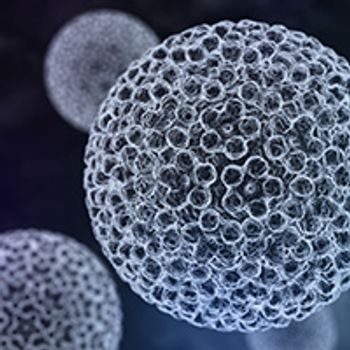
INT230-6 demonstrated direct tumor killing in soft tissue sarcoma and elicits an anti-cancer immune response within the injected tumor both alone and in combination with ipilimumab.
Dr Somaiah discusses the excitement surrounding novel agents such as CSF1R inhibitors and ULK1/2 inhibitors, and the utility of broad spectrum TKIs such as ripretinib.
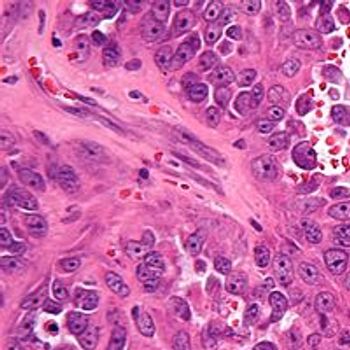
Moderately hypofractionated preoperative radiotherapy did not increase risk for major wound complication in patients with soft tissue sarcomas, according to findings from the single-arm, phase 2 trial HYPORT-STS.
Robert Lawrence Randall, MD, FACS, discussed the role of biological reconstructions as well as factors that determine whether a patient would benefit more from the reconstructions or traditional prosthetics known as endoprosthetics.
R. Lor Randall, MD, FACS, discusses the significance of addition of surgery to radiation therapy led to improved local control compared with radiation therapy alone in patients with localized pelvic Ewing Sarcoma.
The FDA has approved atezolizumab (Tecentriq) for adult and pediatric patients aged 2 years and older with unresectable or metastatic alveolar soft part sarcoma.
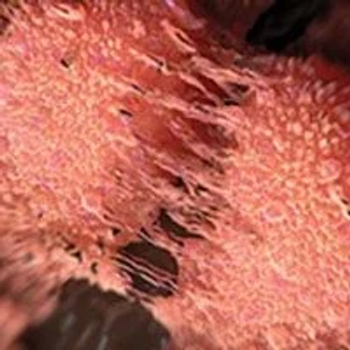
Afamitresgene autoleucel, a novel T-cell therapy, produced good clinical response lasting more than 4 years in patients with advanced synovial sarcoma or myxoid/round cell liposarcoma.
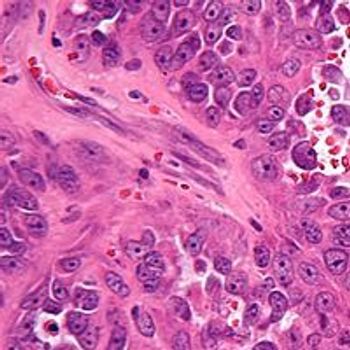
Camsirubicin in combination with pegfilgrastim produced encouraging clinical activity and safety in patients with advanced soft tissue sarcoma.
Marcin Dzienis, MD, discusses the use of pembrolizumab with carboplatin and paclitaxel in head and neck squamous cell carcinoma .
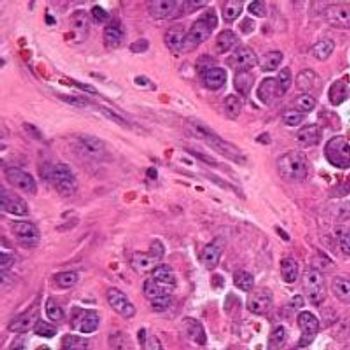
Salarius Pharmaceuticals has voluntarily paused enrollment of new patients into a phase 1/2 trial investigating seclidemstat in patients with Ewing sarcoma, sarcomas with FET-family translocations, and myxoid liposarcoma due to the death of a patient.

Lutetium-177-FAP-2286 produced preliminary evidence of antitumor activity with a manageable safety profile in patients with advanced or metastatic solid tumors, according to data from the phase 1/2 LuMIERE trial.
R. Lor Randall, MD, FACS, discusses the poor prognosis associated with recurrent pulmonary osteosarcoma, the data from the AOST1421 trial of dinutuxumab plus granulocyte-macrophage colony-stimulating factor, and the need for expanded treatment options in osteosarcoma.
R. Lor Randall, MD, FACS, discusses how disparities may lead to worse outcomes for patients diagnosed with head and neck cutaneous soft tissue sarcomas.
An independent data monitoring committee has recommended that the phase 2 ENVASARC trial examining envafolimab with and without ipilimumab in patients with undifferentiated pleomorphic sarcoma and myxofibrosarcoma continue as planned.
The FDA has granted a fast track designation to AL102 for the treatment of patients with progressing desmoid tumors.
Desmoid tumors, also known as aggressive fibromatosis, share some characteristics with cancers, specifically unchecked cell growth. However, it is not accurate to call them a cancer.
Advertisement
Advertisement
Trending on OncLive
1
FDA Approves Nogapendekin Alfa Inbakicept Plus BCG for High-Grade, Papillary-Only BCG-Unresponsive NMIBC
2
SurVaxM Cancer Vaccine Shows Clinically Meaningful OS Signal in Newly Diagnosed Glioblastoma
3
VS-7375 Elicits Responses in KRAS G12D–Mutated Pancreatic Cancer
4
FDA Accepts BLA Resubmission for Tabelecleucel in EBV+ Post-Transplant Lymphoproliferative Disease
5