


Sarcomas
Latest News


Eftilagimod Alpha–Based Triplet Is Well Tolerated, Generates Responses in Soft Tissue Sarcoma
By Ryan Scott
Advertisement
Latest Videos
































































Advertisement
More News
In case you missed any, below is a recap of every episode of OncLive On Air that aired in March 2024.

R. Lor Randall, MD, FACS, discusses the changing field of orthopedic oncology and gives his takeaways from the American Academy of Orthopedic Surgeons Meeting.

LSTA1 has been granted orphan drug designation by the FDA for the treatment of patients with osteosarcoma.
Afami-cel displayed activity in a heavily pretreated population of patients with advanced synovial sarcoma or myxoid round cell liposarcoma.
LSTA1 has received rare pediatric disease designation from the FDA for the treatment of patients with osteosarcoma.
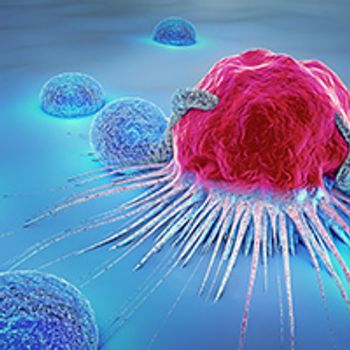
ABSK061 was well tolerated and elicited responses in patients with advanced solid tumors harboring FGFR2/3 alterations.
R. Lor Randall, MD, FACS, discusses the top takeaways from the inaugural 2024 Birmingham Orthopedic Oncology Meeting.

The FDA has approved the biosimilars denosumab-bddz (Wyost) and denosumab-bddz (Jubbonti) for use in all indications of the reference medicines denosumab (Xgeva) and denosumab (Prolia).
The European Medicines Agency has validated a marketing authorization application seeking the approval of nirogacestat for patients with desmoid tumors.
The FDA has granted an orphan drug designation to tigilanol tiglate for the treatment of patients with soft tissue sarcoma.
R. Lor Randall, MD, discusses the adequacy of active surveillance for select patients with diffuse-type tenosynovial giant cell tumor.
R. Lor Randall, MD, FACS, explains the next steps in ensuring adherence to clinical care guidelines in extremity sarcoma.

The FDA has accepted for priority review the BLA seeking the approval of afamitresgene autoleucel for the treatment of advanced synovial sarcoma.
R. Lor Randall, MD, FACS, discusses the early efficacy seen with vimseltinib monotherapy and pexidartinib plus surgery in tenosynovial giant cell tumors.
The European Medicines Agency has granted orphan drug designation to pimicotinib for use in patients with inoperable tenosynovial giant cell tumor.
R. Lor Randall, MD, FACS, emphasizes the overall potential for investigating the utility of engineered bone marrow in patients with osteosarcoma.
The NCCN has updated its guidelines for soft tissue sarcoma to include nirogacestat as a systemic therapy option for patients with desmoid tumors.
Research has continued to focus on developing novel therapies and bringing new treatments to the sarcoma treatment paradigm.
The FDA has granted an orphan drug designation to AL102 as a potential therapeutic option for patients with desmoid tumors.

Vimseltinib elicited a statistically significant and clinically meaningful improvement in 25-week overall response rate vs placebo in patients with tenosynovial giant cell tumor that was not amenable to surgery.
R. Lor Randall, MD discusses the primary results of the PARITY study and their implications for the use of antibiotics for patients with lower extremity bone tumors undergoing surgery and highlighted the findings from the secondary analysis of the study on the effect of surgical duration on risk of infection

R. Lor Randall, MD, FACS, discusses the process of organizing the symposium, key surgical and non-surgical advancements as well as socioeconomic disparities identified in these papers, and the importance of this information for both surgical and medical oncologists.
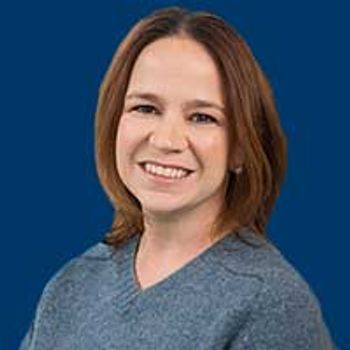
Breelyn Wilky, MD, discusses the rationale for investigating the addition of doxorubicin to zalifrelimab and balstilimab in patients with advanced/metastatic soft tissue sarcoma, expands on results from the phase 2 trial, and emphasizes the need for continued research for the potential role of immunotherapy in this patient population.

R. Lor Randall, MD, FACS, explains the difference between noncancerous chondroblastoma and other bone neoplasms, details the typical diagnosis and treatment of this rare condition, and emphasizes the importance of pediatric and medical oncologists being able to identify it in clinic.
The PD-1 inhibitor pembrolizumab displayed activity with a manageable safety profile in patients with certain rare and ultra-raresarcoma histotypes.
Advertisement
Advertisement
Trending on OncLive
1
FDA Approves Nogapendekin Alfa Inbakicept Plus BCG for High-Grade, Papillary-Only BCG-Unresponsive NMIBC
2
SurVaxM Cancer Vaccine Shows Clinically Meaningful OS Signal in Newly Diagnosed Glioblastoma
3
VS-7375 Elicits Responses in KRAS G12D–Mutated Pancreatic Cancer
4
FDA Accepts BLA Resubmission for Tabelecleucel in EBV+ Post-Transplant Lymphoproliferative Disease
5