


Sarcomas
Latest News

Advertisement
Latest Videos






























































Advertisement
More News

Individuals with Li-Fraumeni Syndrome, a rare hereditary condition, are at increased risk for a wide spectrum of malignancies, including breast cancer and sarcomas. Investigators are working to determine whether metformin, a drug indicated for diabetes and infertility caused by polycystic ovarian syndrome, can prevent cancers in LFS carriers.
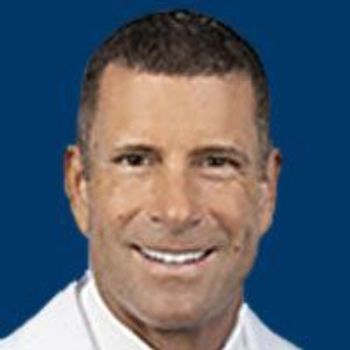
R. Lor Randall, MD, discusses the importance of collaborations between orthopedic surgeons and interventional radiologists, and how they are beginning to pick up steam in the United States for patients with metastatic bone cancer.
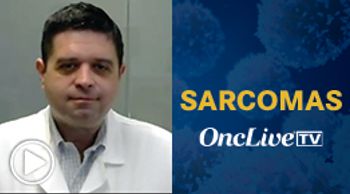
Brian A. Van Tine, MD, PhD, discusses the methods utilized in the phase 2 Spearhead 1 trial evaluating afamitresgene autoleucel in patients with advanced synovial sarcoma or myxoid/round cell liposarcoma.
Although brachytherapy is rarely utilized as a treatment for pediatric and adolescent/young adult patients in the United States, AYA patients with rhabdomyosarcoma treated with BT had favorable survival outcomes.

The combination of the TKI inhibitor imatinib and the MEK inhibitor binimetinib elicited encouraging responses in patients with treatment-naïve advanced gastrointestinal stromal tumors.
Brian A. Van Tine, MD, PhD, sheds light on the promise of SPEAR T-cell therapy in patients with synovial sarcoma and MRCLS, the safety and efficacy observed with afami-cel in the SPEARHEAD-1 trial, and next steps for research.
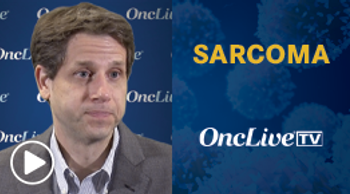
William D. Tap, MD, discusses developing treatment opportunities in soft tissue sarcomas.

The FDA has granted a rare pediatric disease designation to the bone-targeting radiopharmaceutical, Samarium-153-DOTMP, for use as a potential therapeutic option for patients with osteosarcoma.
R. Lor Randall, MD, speaks to the findings from a report that said multiple sex-related, racial/ethnic, and socioeconomic status disparities are associated with an increased incidence of metastatic bone disease originating from cancers in the prostate, renal, colon, lung, and breast.
Christian Frederick Meyer, MD, PhD, MS, discusses standard treatment options in cardiac angiosarcoma.
The diffusing alpha-emitter radiation therapy, Alpha DaRT, was found to elicit complete responses per RECIST v1.1 criteria in 10 patients with malignant skin and soft tissue cancers who are enrolled to an ongoing single-institution pilot feasibility trial.
Dr Meyer discusses the rarity of cardiac angiosarcoma, optimizing detection strategies, surgical interventions, and chemotherapy for this patient population, and why immunotherapy has the potential to transform care for patients.
No dose-limiting toxicities have been reported in the first cohort of patients with relapsed clear cell sarcoma who received the combination of devimistat and hydroxychloroquine in the dose-escalation portion of the ongoing phase 1/2 APOLLO 613 trial.
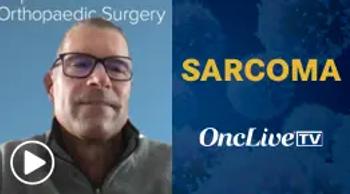
R. Lor Randall, MD, FACS, discusses methods of preventing early failures with compressive osseointegrative endoprosthetic devices of the femur in bone sarcomas.
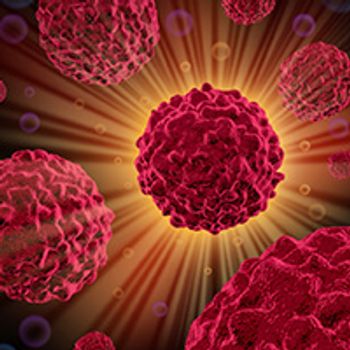
In patients with advanced uterine leiomyosarcoma whose tumors harbor a BRCA-like phenotype, the combination of olaparib with temozolomide could represent a new standard of care.

The FDA has granted a rare pediatric disease designation to IMX-110 for the treatment of rhabdomyosarcoma.
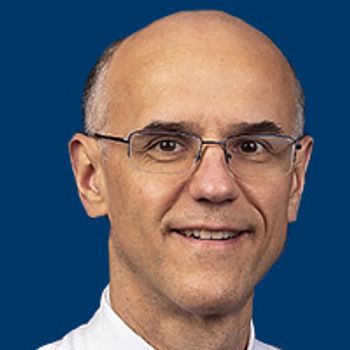
Cardiac angiosarcoma is an exceptionally rare cancer that has become national news because of the recent death of acclaimed fashion designer, Virgil Abloh. He was 41 years old when he died in November 2021, following a 2-year battle with the disease, which is an aggressive subtype of soft-tissue sarcoma.

Despite their rarity, the management of desmoid tumors has been an area of significant clinical change as the field has shifted away from aggressive surgical interventions to active surveillance and systemic therapies that are less morbid for patients.

Elise Nassif, MD, discusses the evolving standard of care for patients with soft tissue sarcoma and the benefits of early phase inclusion, as well as histotype testing for this population.
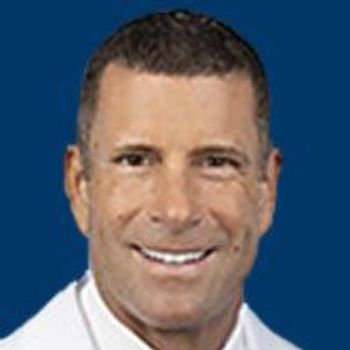
R. Lor Randall, MD, FACS, elaborates on the results of a study and provided insight into future research directions in Ewing sarcoma
R. Lor Randall, MD, FACS, discusses the evolution of limb salvage technologies in bone sarcomas.
Margaret von Mehren, MD, discusses the value of ribociclib plus everolimus for patients with dedifferentiated liposarcoma, and how further research will be focused on biomarker analysis.
The targeted small molecule inhibitor of the E26 transformation-specific family of oncoproteins, ONCT-216, produced notable response and disease control rates when delivered at the recommended phase 2 dose to heavily pretreated patients with Ewing sarcoma.
The FDA has approved sirolimus albumin-bound particles for injectable suspension for the treatment of adult patients with locally advanced unresectable or metastatic malignant perivascular epithelioid cell tumor.
Breelyn Wilky, MD, discusses the diagnosis and management of desmoid tumors.
Advertisement
Advertisement
Trending on OncLive
1
FDA Approves Nogapendekin Alfa Inbakicept Plus BCG for High-Grade, Papillary-Only BCG-Unresponsive NMIBC
2
SurVaxM Cancer Vaccine Shows Clinically Meaningful OS Signal in Newly Diagnosed Glioblastoma
3
VS-7375 Elicits Responses in KRAS G12D–Mutated Pancreatic Cancer
4
FDA Accepts BLA Resubmission for Tabelecleucel in EBV+ Post-Transplant Lymphoproliferative Disease
5