


Sarcomas
Latest News
Advertisement
Latest Videos































































Advertisement
More News
The top 5 OncLive videos of the week cover insights in HER2+ breast cancer, myeloma, pancreatic cancer, prostate cancer, and sarcoma.
Juan Vasquez, MD, discusses how loss of NAPRT expression may serve as a biomarker for antitumor activity with NAMPT inhibition in rhabdomyosarcoma.
Erica Maria Pimenta, MD, discusses ongoing therapeutic and translational challenges in the treatment of soft tissue sarcomas.
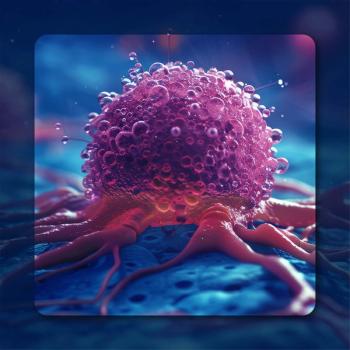
THE001, a doxorubicin-encapsulating thermosensitive liposome therapy, has been granted FDA orphan drug designation for soft tissue sarcoma.
Erica Maria Pimenta, MD, PhD, discusses the future for evaluating tumor progression and immune evasion in soft tissue sarcomas.
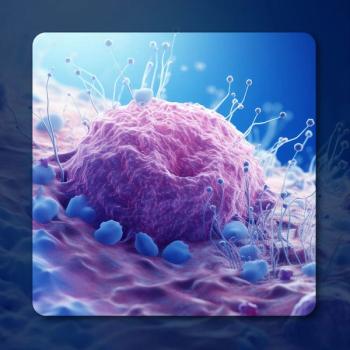
The Signatera MRD assay was associated with high levels of sensitivity and specificity in sarcomas.
OncLive announces the inductees of the 13th annual Giants of Cancer Care recognition program.
Adjuvant anlotinib was safe and led to a DFS benefit vs surgery alone in completely resected high-grade soft tissue sarcoma.
R. Lor Randall, MD, FASCO, discussed the development and application of three-dimensional spheroid models for high-throughput drug screening in osteosarcoma research.
Erica Maria Pimenta, MD, PhD, discusses a study investigating potential defects in molecular pathways involved in adipocyte-specific differentiation
R. Lor Randall, MD, FACS, discusses whether patients with low-grade chondosarcomas should undergo intralesional curettage or en bloc resection.
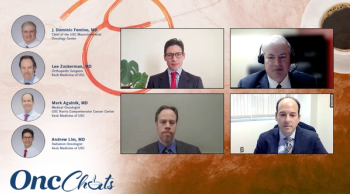
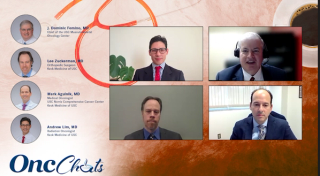
In this episode, experts highlight the key takeaways from the Stand Up to Cancer SARC 032 study and its clinical implications.
The top 5 OncLive videos of the week cover insights in multiple myeloma, AL amyloidosis, myelofibrosis, breast cancer, and sarcoma.
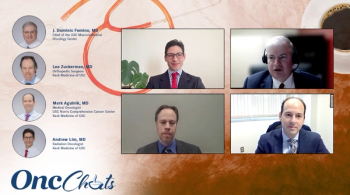
In this episode, experts discuss the landmark SARC 032 study, highlighting the importance of multidisciplinary collaboration.
R. Lor Randall, MD, FACS, discusses the importance of orthopedic oncology consensus meetings and the need for agreement about certain surgical practices.

High variability in sarcoma clinical trial funding, location, and phase was identified in a global analysis conducted over the past decade.
In this episode, experts discuss the impact of neoadjuvant radiation and immunotherapy on surgical planning in patients with soft tissue sarcomas.

The FDA granted fast track designation to emactuzumab for unresectable tenosynovial giant cell tumor.
Phase 1b data support further exploration of intravenous sirolimus in patients with malignant PEComa.

The EMA’s CHMP has issued a positive opinion for the denosumab biosimilars Osvyrti and Jubereq for the same indications as the reference products.
Nirogacestat sustained long-term efficacy with acceptable safety in patients with desmoid tumors treated in the phase 3 DeFi trial.
Pediatric patients with TRK fusion–positive sarcomas may be able to safely discontinue larotrectinib and resume treatment if needed without sacrificing response.
Findings from the safety review of SON-1010 plus trabectedin in patients with advanced leiomyosarcoma or liposarcoma were positive.

Nivolumab plus sunitinib displayed early-phase efficacy in advanced bone sarcoma.
A real-world study showed OS outcomes with eribulin similar to those with trabectedin in doxorubicin-pretreated patients with advanced liposarcoma.
Advertisement
Advertisement
Trending on OncLive
1
FDA Approves Nogapendekin Alfa Inbakicept Plus BCG for High-Grade, Papillary-Only BCG-Unresponsive NMIBC
2
SurVaxM Cancer Vaccine Shows Clinically Meaningful OS Signal in Newly Diagnosed Glioblastoma
3
VS-7375 Elicits Responses in KRAS G12D–Mutated Pancreatic Cancer
4
FDA Accepts BLA Resubmission for Tabelecleucel in EBV+ Post-Transplant Lymphoproliferative Disease
5