

Sarcomas
Latest News
Routine Intraoperative Frozen Section Represents a "Very Costly" Soft Tissue Sarcoma Procedure
By Ashley Chan
Advertisement
Latest Videos





























































Advertisement
More News

OST-HER2 shows promise in patients with recurrent, fully resected lung-only metastatic osteosarcoma.
The FDA has granted breakthrough therapy designation to GSK5764227 for the treatment of relapsed/refractory osteosarcoma.
Panelists discuss how the major unmet needs in treating synovial sarcoma include developing targeted therapies that effectively address the SS18::SSX fusion oncogene, improving early detection methods, and finding ways to overcome treatment resistance in metastatic disease.
Brief Overview of Synovial Sarcoma: What It Is, Clinical Presentation and Diagnosis
Published: | Updated:
Panelists discuss how synovial sarcoma is a rare soft-tissue cancer characterized by its unique SS18::SSX fusion oncogene transcript, which distinguishes it from other sarcomas and drives its aggressive behavior through altered epigenetic regulation, despite its misleading name suggesting origin in synovial tissue.
R. Lor Randall, MD, FACS, discusses the construction and preclinical utility of spheroid models for drug development in osteosarcoma.
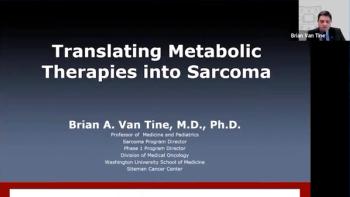
Brian A. Van Tine, MD, PhD, of Washington University of St. Louis and Siteman Cancer Center, discusses how to translate metabolic therapies into sarcoma management.
Sandra P. D’Angelo, MD, discusses data from substudy 2 of the phase 2 IGNYTE-ESO trial evaluating lete-cel in SyS and MRCLS.
R. Lor Randall, MD, FACS, discusses advancements in preclinical research identifying therapeutic vulnerabilities in soft tissue sarcomas.
The FDA has approved an oral solution of imatinib for the treatment of certain leukemias and other cancers.

The FDA has awarded rare pediatric disease designation to the novel GSK-3β inhibitor elraglusib for the treatment of Ewing sarcoma.
Pimicotinib improved responses compared with placebo in tenosynovial giant cell tumor.
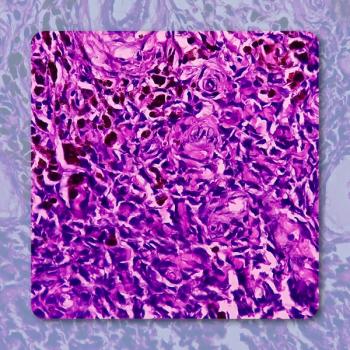
Fixed-Dose CAR T Cells Followed by Escalating UB-TT170 Increases Cytokine Levels in R/R Osteosarcoma
Administration of fixed-dose CAR T cells followed by escalating doses of UB-TT170 led to changes in cytokine levels in relapsed/refractory osteosarcoma.
R. Lor Randall, MD, FACS, discusses the impact of race, ethnicity, and socioeconomic factors on outcomes in pediatric patients with nonmetastatic osteosarcoma.
Here is your snapshot of all therapeutic options that the FDA approved in October 2024 spanning tumor types.
Asciminib gets FDA accelerated approval for chronic-phase CML, RMC-9805 shows activity in KRAS G12D+ pancreatic cancer, and more from OncLive this week.
This roundup includes exclusive insights from 23 clinicians and key data on the top abstracts coming out of the 2024 ESMO Annual Meeting.
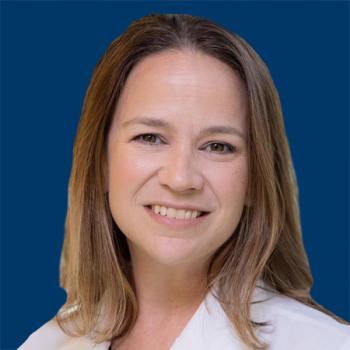
Breelyn Wilky, MD, discusses updated efficacy and safety findings following treatment of botensilimab and balstilimab in refractory metastatic sarcoma.
Javier Martín Broto MD, PhD, discusses the efficacy of treatment with sunitinib plus nivolumab in clear cell sarcoma, according to the IMMUNOSARC II trial.
Perioperative nivolumab receives FDA approval for resectable NSCLC, acalabrutinib sNDA gets priority review for MCL, and more from OncLive this week.
Read about the early-phase sarcoma studies presented at the 2024 ESMO Congress that experts are keeping their eyes on.

The FDA has granted rare pediatric disease designation to LP-184 in malignant rhabdoid tumors, rhabdomyosarcoma, and hepatoblastoma.
R. Lor Randall, MD, FACS, discusses the relationship between poverty, race, ethnicity, and survival outcomes in pediatric nonmetastatic osteosarcoma.
Breelyn Wilky, MD, discusses updated findings from a phase 1 study investigating botensilimab plus balstilimab in refractory metastatic sarcoma.
The FDA has approved subcutaneous atezolizumab for use in all indications as the intravenous formulation.
The FDA has granted orphan drug designation to the novel GSK-3β inhibitor elraglusib for the treatment of patients with soft tissue sarcoma.
Advertisement
Advertisement
Trending on OncLive
1
FDA Approves Nogapendekin Alfa Inbakicept Plus BCG for High-Grade, Papillary-Only BCG-Unresponsive NMIBC
2
SurVaxM Cancer Vaccine Shows Clinically Meaningful OS Signal in Newly Diagnosed Glioblastoma
3
VS-7375 Elicits Responses in KRAS G12D–Mutated Pancreatic Cancer
4
FDA Accepts BLA Resubmission for Tabelecleucel in EBV+ Post-Transplant Lymphoproliferative Disease
5