

Sarcomas
Latest News
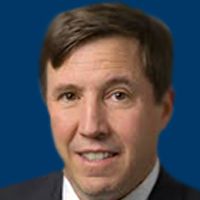
November 4th 2020
JTCC and Georgetown’s Alliance in Cancer Research Achieves New Level With Immunotherapy Breakthrough
By Gina Mauro
It was 5:00 PM on a Monday, and Andrew Pecora, MD, FACP, CPE, was just wrapping up his practice for the day when one of his nurses came to the door, asking if he could see one more patient.
Advertisement
Latest Videos

































































Advertisement
More News

Michael B. Atkins, MD, discusses the expanding role of immunotherapy in oncology.

William D. Tap, MD, discusses the importance of community and academic collaboration in sarcoma.
William W. Tseng, MD, discusses the goals of the Transatlantic Australasian Retroperitoneal Sarcoma Working Group analysis in retroperitoneal sarcoma.
William D. Tap, MD, discusses the evolution of precision medicine in soft tissue sarcomas.

Michael B. Atkins, MD, discusses the impact of the Georgetown Lombardi Cancer Center Consortium on the treatment of patients with sarcoma.

Michael B. Atkins, MD, discusses the importance of the Georgetown Lombardi Cancer Center Consortium.

Alessandro Gronchi, MD, discusses the results of the phase 2 TRASTS trial in soft tissue sarcoma.
R. Lor Randall, MD, FACS, highlights the various data presented at the annual MSTS meeting and their implications for the future of sarcoma treatment.
Gary K. Schwartz, MD, discusses the benefit of dose reducing ipilimumab plus nivolumab in metastatic sarcomas.

César Serrano-García, MD, PhD, highlights ripretinib and the meaningful benefit it provides as a fourth- and later-line therapy in patients with advanced gastrointestinal stromal tumor who harbor KIT or PDGFRA mutations.

John A. Abraham, MD, FACS, discusses remaining questions with pexidartinib in tenosynovial giant cell tumor.

Gina Z. D'Amato, MD, discusses the limitations of liquid biopsy in sarcoma.
Robert G. Maki, MD, PhD, FACP, FASCO, discusses the utility of IDH1/2 inhibitors in chondrosarcoma.

John A. Abraham, MD, FACS, discusses the clinical utility of pexidartinib in tenosynovial giant cell tumor.
Ripretinib continues to show clinically meaningful benefit with an acceptable safety profile when used as a fourth- or later-line treatment for patients with advanced gastrointestinal stromal tumor.
Robert G. Maki, MD, PhD, FACP, FASCO, discusses the utility of tazemetostat in epithelioid sarcoma.

TP53 was found to be the only gene with a germline de novo pathogenic or likely pathogenic variant in pediatric patients with osteosarcoma.

Patricia Pautier, MD, discusses the results of the phase 2 LMS-02 trial with doxorubicin and trabectedin in uterine and soft tissue leiomyosarcoma.
Gary K. Schwartz, MD, discusses future research efforts in the field of sarcoma.
Robert G. Maki, MD, PhD, FACP, FASCO, discusses the potential utility of immunotherapy in sarcoma.
William W. Tseng, MD, discusses the significance of the Transatlantic Australasian Retroperitoneal Sarcoma Working Group analysis in retroperitoneal sarcoma.
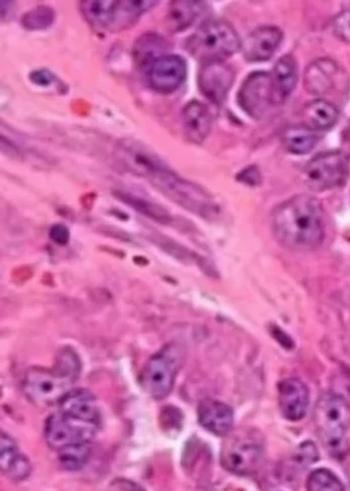
Tazemetostat demonstrated durable responses and sustained safety in patients with epithelioid sarcoma and relapsed/refractory follicular lymphoma.
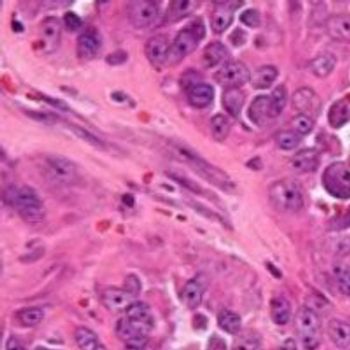
The survival outcomes of patients with high-grade surface osteosarcoma is poor, despite the use of contemporary treatment with surgery and chemotherapy.
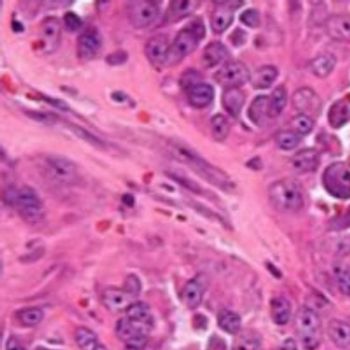
The presence of macroscopic metastases in regional lymph nodes is found to be related to poor survival outcomes in patients with sarcoma.

The European Commission has granted a conditional marketing authorization to avapritinib for single agent use in adult patients with unresectable or metastatic gastrointestinal stromal tumors that harbor a PDGFRA D842V mutation.
Advertisement
Advertisement
Trending on OncLive
1
FDA Approves Nogapendekin Alfa Inbakicept Plus BCG for High-Grade, Papillary-Only BCG-Unresponsive NMIBC
2
SurVaxM Cancer Vaccine Shows Clinically Meaningful OS Signal in Newly Diagnosed Glioblastoma
3
VS-7375 Elicits Responses in KRAS G12D–Mutated Pancreatic Cancer
4
FDA Receives NDA Resubmission for Rivoceranib Plus Camrelizumab in Frontline Unresectable or Metastatic HCC
5