





Sarcomas
Latest News
Advertisement
Latest Videos





































































Advertisement
More News
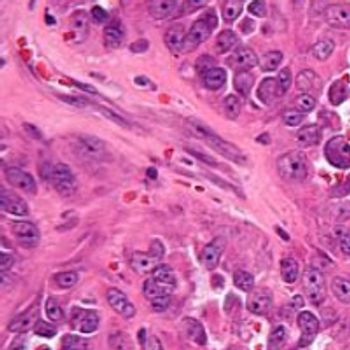
The European Medicines Agency has granted access to the PRIME initiative for the Specific Peptide Enhanced Affinity Receptor T-cell therapy ADP-A2M4 for the treatment of patients with synovial sarcoma.

The China National Medical Products Administration has accepted a new drug application for ripretinib as a treatment for adult patients with advanced gastrointestinal stromal tumor who have received previous treatment with 3 or more kinase inhibitors, including imatinib.
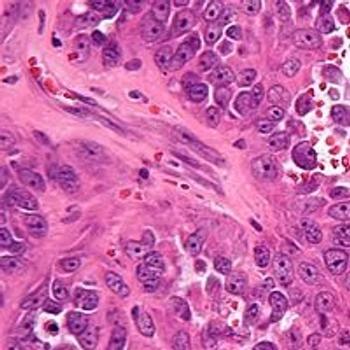
The National Comprehensive Cancer Network recently published updated Clinical Practice Guidelines in Oncology for Soft Tissue Sarcoma, listing pexidartinib as a systemic treatment for patients with tenosynovial giant cell tumor.

R. Lor Randall, MD, FACS, discusses the need for multidisciplinary collaboration in GCTB, challenges faced in the space, and directions for future research efforts.
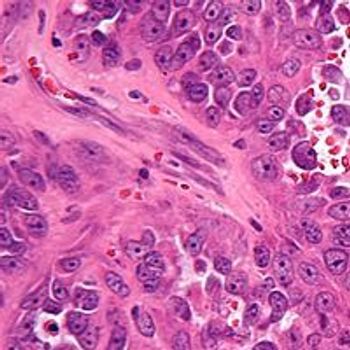
The European Medicines Agency’s advisory group, the Committee for Medicinal Products for Human Use, has recommended against the acceptance of the marketing authorization for pexidartinib (Turalio) for the treatment of patients with tenosynovial giant cell tumor.
A percentage change in longest tumor diameter of patients with localized high-risk soft tissue sarcoma who were treated with neoadjuvant chemotherapy was found to correlate with overall survival.

Neoadjuvant systemic therapy was found to show a modest benefit in patients with retroperitoneal sarcoma, and the tumor response could be used as an indicator of disease biology to predict survival outcomes after surgery.

R. Lor Randall, MD, FACS, discusses the cautions medical oncologists should take for their patients with bone sarcomas who undergo limb preservation with osteointegration, and the importance of keeping orthopedic oncologists in the loop.

The combination of gemcitabine and ribociclib led to a radiographic and histologic response in a woman with chemotherapy-resistant metastatic CDK6-amplified osteosarcoma
The FDA has approved pomalidomide for patients with AIDS-related Kaposi sarcoma whose disease has become resistant to highly active antiretroviral therapy, or in patients with Kaposi sarcoma who are HIV-negative.
The FDA issued a complete response letter stating it will not approve an application for avapritinib for the fourth-line treatment of patients with gastrointestinal stromal tumor.






Jonathan C. Trent, MD, PhD, discusses research efforts in bone and soft tissue sarcomas.
Advertisement
Advertisement
Trending on OncLive
1
FDA Approves Nogapendekin Alfa Inbakicept Plus BCG for High-Grade, Papillary-Only BCG-Unresponsive NMIBC
2
SurVaxM Cancer Vaccine Shows Clinically Meaningful OS Signal in Newly Diagnosed Glioblastoma
3
VS-7375 Elicits Responses in KRAS G12D–Mutated Pancreatic Cancer
4
FDA Receives NDA Resubmission for Rivoceranib Plus Camrelizumab in Frontline Unresectable or Metastatic HCC
5