


Sarcomas
Latest News
Advertisement
Latest Videos






























































Advertisement
More News

John A. Abraham, MD, FACS, discusses the role of surgery in the treatment of tenosynovial giant cell tumor, key challenges faced in this space, and the emergence of pexidartinib.
The China National Medical Products Administration has accepted a new drug application for avapritinib for 2 indications in gastrointestinal stromal tumors.
Brian Van Tine, MD, PhD, discusses what tazemetostat’s approval brings to the treatment landscape for patients with epithelioid sarcoma.
Gina Z. D'Amato, MD, discusses the emerging role of next-generation sequencing in sarcoma.
Ivosidenib showed minimal toxicity, substantial 2-hydroxyglutarate reduction, and durable disease control in patients with chondrosarcoma, a rare primary malignancy of the bone.
A new drug application has been submitted to the Taiwan Food and Drug Administration for avapritinib for the treatment of adult patients with unresectable or metastatic gastrointestinal stromal tumor harboring PDGFRA exon 18 mutations, including PDGFRA D842V mutations, according to CStone Pharmaceuticals, a partner of Blueprint Medicines.
R. Lor Randall, MD, FACS, discusses the occurrence, treatment, and prevention methods of pathologic fractures in patients with soft tissue sarcomas.







Neeta Somaiah, MD, discusses ongoing research in the field of sarcoma.
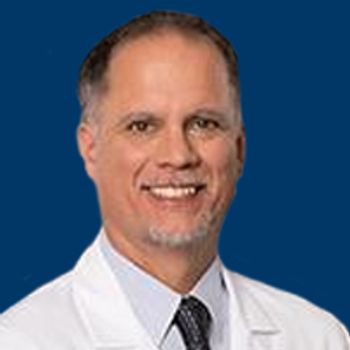
Jonathan C. Trent, MD, PhD, discusses recent advances and ongoing research in the field of soft tissue sarcoma.

Michael C. Heinrich, MD, discusses the recent approval of avapritinib for advanced PDGFRA exon 18–mutated gastrointestinal stromal tumor.
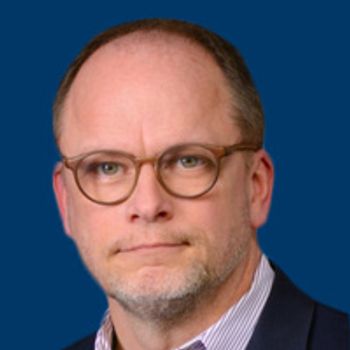
Multiple immune-infiltrate features in the immune-genomic landscape of osteosarcoma, such as poor tumor infiltration by immune cells, low T-cell activity, a lack of immune-stimulating neoantigens, and immune-suppressing pathways, contribute to the limited clinical activity associated with checkpoint inhibitors in this disease, according to results of a study published in Nature Communications.
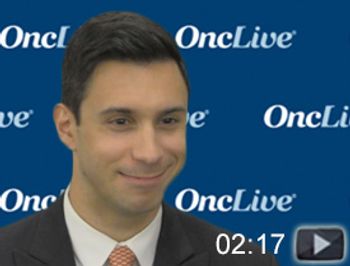
Alexander Leandros Lazarides, MD, discusses research regarding margin assessment in patients with sarcoma.

C. Parker Gibbs Jr, MD, discusses the lack of treatment options for patients with soft tissue and bone sarcomas.
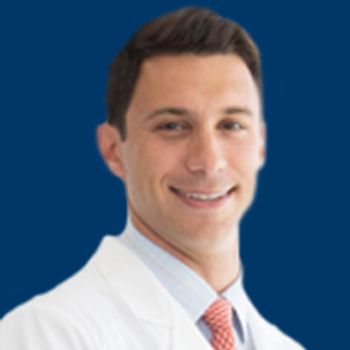
Alexander Leandros Lazarides, MD, discusses the need for better drug discovery models in osteosarcoma and provides insight into a new personalized medicine pipeline that has the potential to redefine drug development in the field.
R. Lor Randall, MD, FACS, highlights the specific challenges faced by adolescent and young adult patients with sarcomas, the importance of promoting awareness of this issue, and the resources available to improve outcomes in this population.
Benjamin J. Miller, MD, MS, discusses the creation of the Musculoskeletal Tumor Registry and how it is poised to make progress in the orthopedic oncology field.
Advertisement
Advertisement
Trending on OncLive
1
FDA Approves Nogapendekin Alfa Inbakicept Plus BCG for High-Grade, Papillary-Only BCG-Unresponsive NMIBC
2
SurVaxM Cancer Vaccine Shows Clinically Meaningful OS Signal in Newly Diagnosed Glioblastoma
3
VS-7375 Elicits Responses in KRAS G12D–Mutated Pancreatic Cancer
4
FDA Receives NDA Resubmission for Rivoceranib Plus Camrelizumab in Frontline Unresectable or Metastatic HCC
5