
Sarcomas
Latest News
Advertisement
Latest Videos






























































Advertisement
More News
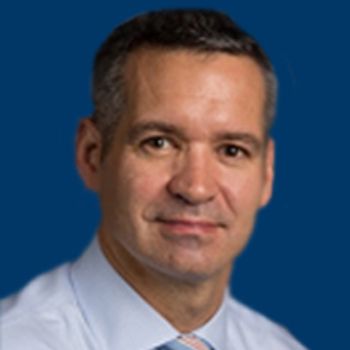
Thomas J. Scharschmidt, MD, MBOE, discusses the use of targeted muscle reinnervation for amputee patients with cancer as well as therapeutic advances in sarcoma and tenosynovial giant cell tumor.
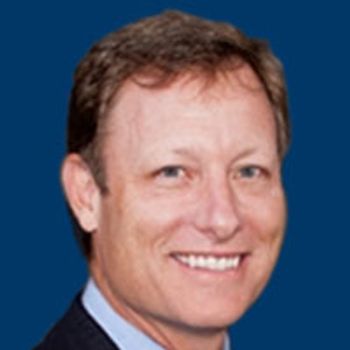
C. Parker Gibbs, MD, discusses the research behind p16 and p21 as predictive biomarkers for treatment response in patients with osteosarcoma.
The FDA has granted an accelerated approval to tazemetostat for the treatment of adult and pediatric patients aged ≥16 years old with metastatic or locally advanced epithelioid sarcoma that is not eligible for complete resection.
The FDA has granted a Regenerative Medicine Advanced Therapy designation to ADP-A2M4 (MAGE-A4) as a treatment for patients with synovial sarcoma.
The FDA has granted fast track designation to the potent reversible LSD1 inhibitor SP-2577 (seclidemstat) for the treatment of relapsed/refractory patients with Ewing sarcoma.
Brian A. Van Tine, MD, PhD, discusses the results of a phase I study looking at the effects of ADP-A2M4 in patients with synovial sarcoma.
The FDA’s Oncologic Drugs Advisory Committee voted in favor of approving tazemetostat tablets as a treatment for patients with metastatic or locally advanced epithelioid sarcoma that is ineligible for curative surgery.
The FDA has scheduled an Oncology Drugs Advisory Committee hearing for December 18, 2019, to discuss data supporting a new drug application for tazemetostat as a treatment for patients with metastatic or locally advanced epithelioid sarcoma that is ineligible for curative surgery.

Ibrahim S. Alshaygy, MD, MSC, discusses research suggesting a smaller surgical resection margin for dermatofibrosarcoma protuberans.
Joshua M. Lawrenz, MD, discusses the use of hypofractionated radiotherapy versus conventional radiotherapy in soft tissue sarcoma.
Michelle Ghert, MD, FRCSC, discusses the PARITY and SAFETY trials and the future of research in orthopedic oncology.
Joshua M. Lawrenz, MD, discusses a study looking at hypofractionated radiotherapy in soft tissue sarcoma.
Albert J. Aboulafia, MD, discusses advances in tenosynovial giant cell tumor and the early research and challenges in soft tissue sarcoma treatment.
William Eward, MD, DVM, discusses the approval of pexidartinib to treat patients with tenosynovial giant cell tumor.
Ibrahim S. Alshaygy, MD, MSC, discusses surgical developments in dermatofibrosarcoma protuberans and tenosynovial giant cell tumor.
Vincent Y. Ng, MD, discusses immunotherapy in micrometastatic high-risk soft tissue sarcoma.
R. Lor Randall, MD, FACS, discusses ongoing studies and treatment options in the orthopedic oncology landscape.
Vincent Y. Ng, MD, discusses what implications the NEXIS study could have in soft tissue sarcoma treatment and the next steps going forward.
C. Parker Gibbs Jr., MD, discusses the use of cell cycle checkpoint regulators to indicate response to treatment in osteosarcoma.
Elham Nasri, MD, fellow, Bone and Soft Tissue Pathology, University of Florida, discusses risk stratification in osteosarcoma.
William Eward, MD, DVM, discusses the use of pexidartinib and other options to treat patients with tenosynovial giant cell tumor, as well as future recommendations for the field, such as using comparative oncology when researching drugs.
R. Lor Randall, MD, FACS, discusses using pexidartinib to treat tenosynovial giant cell tumor.
The National Comprehensive Cancer Network has updated its Clinical Practice Guidelines in Oncology for Soft Tissue Sarcoma to include a category 1 recommendation for pexidartinib (Turalio) for the treatment of patients with tenosynovial giant cell tumor.
The FDA has granted a breakthrough therapy designation to the investigational gamma-secretase inhibitor nirogacestat (PF-03084014) for the treatment of adult patients with progressive, unresectable, recurrent or refractory desmoid tumors or deep fibromatosis.
Sandra P. D’Angelo, MD, medical oncologist at Memorial Sloan Kettering Cancer Center, discusses the results of a pilot study investigating the combination of bempegaldesleukin (NKTR-214) plus nivolumab (Opdivo) in patients with sarcomas.
Advertisement
Advertisement
Trending on OncLive
1
FDA Approves Nogapendekin Alfa Inbakicept Plus BCG for High-Grade, Papillary-Only BCG-Unresponsive NMIBC
2
SurVaxM Cancer Vaccine Shows Clinically Meaningful OS Signal in Newly Diagnosed Glioblastoma
3
VS-7375 Elicits Responses in KRAS G12D–Mutated Pancreatic Cancer
4
FDA Receives NDA Resubmission for Rivoceranib Plus Camrelizumab in Frontline Unresectable or Metastatic HCC
5