
The addition of ublituximab and umbralisib to ibrutinib produced deep remissions with favorable tolerability in patients with chronic lymphocytic leukemia who previously received ibrutinib and still had detectable minimal residual disease.
The addition of ublituximab and umbralisib to ibrutinib produced deep remissions with favorable tolerability in patients with chronic lymphocytic leukemia who previously received ibrutinib and still had detectable minimal residual disease.
Axicabtagene ciloleucel led to a 60% improvement in event-free survival compared with standard-of-care chemotherapy as second-line treatment for patients with relapsed/refractory large B-cell lymphoma.

Ciltacabtagene autoleucel demonstrated a significant advantage over physician’s choice of treatment with regard to overall survival, progression-free survival, time to next treatment, and overall response rate, underscoring its potential for use in patients with triple-class relapsed/refractory multiple myeloma.
Noelle V. Frey, MD, MSCE, discusses the results of a study evaluating the utility of co-administered CART22-65s and huCART19 in relapsed/refractory acute lymphoblastic leukemia that were presented at the 2021 ASH Annual Meeting & Exposition.
Frederick Locke, MD, discusses the results of the phase 3 ZUMA-7 trial in patients with large B-cell lymphoma that were presented at the 2021 ASH Annual Meeting & Exposition.

Extended induction and consolidation therapy with daratumumab plus ixazomib, lenalidomide, and dexamethasone led to deepening rates of minimal residual disease for patients with standard-risk, transplant-eligible newly diagnosed multiple myeloma.
The use of the International Prognostic Scoring System score and JAK2 mutation status may identify patients at risk for major arterial and venous thrombosis in primary myelofibrosis, and suggests appropriate anti-thrombotic prophylaxis.
Minimal residual disease, assessed through next-generation sequencing was found to inform treatment selection and duration with daratumumab plus carfilzomib, lenalidomide, and dexamethasone following autologous transplant in patients with newly diagnosed multiple myeloma.

Axicabtagene ciloleucel, an autologous anti-CD19 CAR T-cell therapy, resulted in clinically meaningful improvement in quality of life at day 100 compared with standard of care as a second-line treatment of patients with relapsed/refractory large B-cell lymphoma.
Weekly selinexor plus bortezomib and dexamethasone represents a favorable option for patients with multiple myeloma and any cytogenetic profile, based on comparable objective responses rates and progression-free survival results from 2 clinical trials.
The addition of eryaspase to chemotherapy demonstrated biological efficacy and tolerability in patients with acute lymphoblastic leukemia who are at risk of developing hypersensitivity reactions to Escherichia coli–derived pegylated asparaginase.
Tisagenlecleucel demonstrated encouraging real-world efficacy and a favorable safety profile that was consistent with findings from the pivotal phase 2 JULIET trial in patients with relapsed/refractory diffuse large B-cell lymphoma or high-grade B-cell lymphoma.

Asciminib demonstrated a consistent improvement in major molecular response rate and depth of response vs bosutinib in patients with chronic-phase chronic myeloid leukemia without any new or worsening adverse effects.
Ibrutinib plus rituximab and mini-CHOP failed to demonstrate a statistically significant improvement in overall survival at 2 years but led to an improvement in progression-free survival, quality of life, and function in elderly patients with diffuse large B-cell lymphoma.
Treatment with acalabrutinib for relapsed/refractory chronic lymphocytic leukemia was effective out to 3 years and demonstrated a progression-free survival benefit over standard of care, according to 3-year follow-up of the ASCEND study.
Quality of life improved in patients with chronic lymphocytic leukemia when treated in the frontline setting with ibrutinib-rituximab and with fludarabine, cyclophosphamide, and rituximab. Improved quality of life was also maintained during continuous therapy with ibrutinib and did not decline over time.
Real-world data of children and young adults with relapsed/refractory B-cell acute lymphoblastic leukemia treated with tisagenlecleucel demonstrated similar efficacy outcomes and a more favorable safety profile compared with the ELIANA trial.
Selinexor in combination with daratumumab, bortezomib and dexamethasone demonstrated a manageable safety profile and encouraging efficacy in patients with late- and early-relapsed multiple myeloma.
Ponatinib demonstrated high response rates in patients with TKI-resistant, chronic-phase chronic myeloid leukemia, irrespective of T315I mutation status at baseline, according to findings from the phase 2 OPTIC trial.

Depression and anxiety can play a significant role in how patients with cancer view cancer clinical trials, ultimately leading to low enrollment
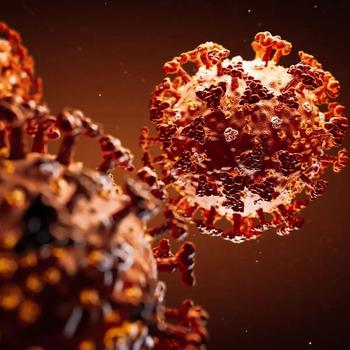
Mortality rates in patients with acute myeloid leukemia, acute lymphoblastic leukemia, and myelodysplastic syndrome who were diagnosed with COVID-19 were higher compared with non-cancer populations who were infected with the virus.

The combination of tafasitamab and lenalidomide prolonged median overall survival compared with other standard options for autologous stem cell transplant-ineligible patients with relapsed/refractory diffuse large B-cell lymphoma.

Treatment with ibrutinib plus loncastuximab tesirine-lpyl resulted in high objective and complete response rates and an acceptable safety profile in patients with relapsed/refractory diffuse large B-cell lymphoma, according to findings from an interim analysis of the phase 1/2 LOTIS-3 trial (NCT03684694) that were presented at the 2021 ASH Annual Meeting and Exposition.
Sattva S. Neelapu, MD, discusses the long-term follow-up analysis of the phase 2 ZUMA-5 trial with axicabtagene ciloleucel in patients with relapsed/refractory indolent non-Hodgkin lymphoma.

An observational single-center study suggests that mRNA-1273 SARS CoV-2 vaccination induces a strong antibody response in patients with acute myeloid leukemia and myelodysplastic syndrome, according to observational results presented during the 2021 ASH Annual Meeting.
Minimal residual disease–negativity rates were significantly higher after utilizing daratumumab plus bortezomib, thalidomide, and dexamethasone (VTd) vs VTd alone in patients with newly diagnosed, transplant-eligible multiple myeloma, according to findings from the phase 3 CASSIOPEIA study that were presented at the 2021 ASH Annual Meeting and Exposition.
The addition of subcutaneous daratumumab to standard-of-care bortezomib, cyclophosphamide, and dexamethasone (D-VCd) continued to elicit stronger hematologic and organ responses vs VCd alone in patients with newly diagnosed light chain amyloidosis.

The addition of isatuximab to lenalidomide, bortezomib, and dexamethasone (RVd) demonstrated superior minimal residual disease rates vs RVd alone when used as induction treatment in patients with transplant-eligible newly diagnosed multiple myeloma.
Tisagenlecleucel produced a high overall response rate and complete response rate in adult patients with relapsed/refractory follicular lymphoma who had received 2 or more prior lines of therapy, according to results from an extended follow-up analysis of patients with at least 12 months of follow-up of the phase 2 ELARA trial.

Axicabtagene ciloleucel induced high response rates and improved survival in patients with relapsed/refractory follicular lymphoma or marginal zone lymphoma, according to updated data from the phase 2 ZUMA-5 trial.