
LOXO-305, an investigational, highly selective, non-covalent BTK inhibitor, demonstrated an investigator-assessed 63% objective response rate in patients with chronic lymphocytic leukemia and small lymphocytic lymphoma.
LOXO-305, an investigational, highly selective, non-covalent BTK inhibitor, demonstrated an investigator-assessed 63% objective response rate in patients with chronic lymphocytic leukemia and small lymphocytic lymphoma.

December 7, 2020 - Ponatinib resulted in high response rates and robust survival outcomes in patients with chronic-phase chronic myeloid leukemia who have progressed on previous treatment with a second-generation TKI.

December 7, 2020 - In high-risk patients with relapsed/refractory chronic lymphocytic leukemia or small lymphocytic lymphoma, lisocabtagene maraleucel treatment resulted in a high rate of undetectable minimal residual disease with rapid and durable responses
Christian Buske, MD, discusses the results of the iNNOVATE trial in Waldenström macroglobulinemia.

December 7, 2020 - The addition of daratumumab to bortezomib, cyclophosphamide, and dexamethasone led to improved hematologic complete response rate compared with VCd alone in patients with newly diagnosed amyloid light-chain amyloidosis.
Peter Voorhees, MD, a multiple myeloma specialist at Levine Cancer Institute, of Atrium Health, discusses updated results of the GRIFFIN trial in multiple myeloma.

Panobinostat, given at a 20-mg 3-times-weekly or twice-weekly dosing schedule, in combination with subcutaneous bortezomib and dexamethasone showed durable responses and an acceptable safety profile in patients with relapsed or relapsed/refractory myeloma.
December 7, 2020 — Findings from the MEDALIST trial demonstrated encouraging clinical efficacy, as well as a tolerable safety profile, with luspatercept among patients with myelodysplastic syndrome and myeloproliferative neoplasms with ring sideroblasts and thrombocytosis.
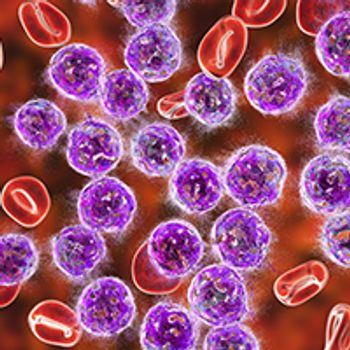
December 7, 2020 - Survival rates of adult patients with acute lymphoblastic leukemia who experience relapse following hematopoietic cell transplantation has considerably improved within the past few years, possibly due to the increased use of immunotherapy agents.

December 7, 2020 - The addition of ixazomib to lenalidomide and dexamethasone resulted in a clinically meaningful 13.5-month improvement in the median progression-free survival of elderly patients with transplant-ineligible newly diagnosed multiple myeloma, although it did not reach statistical significance.

Daratumumab plus lenalidomide, bortezomib, and dexamethasone followed by daratumumab and lenalidomide maintenance showed a statistically significant improvement in response rates and depth of responses when compared to RVd followed by lenalidomide maintenance for patients with transplant-eligible newly diagnosed multiple myeloma.

December 7, 2020 — The combination of ublituximab and umbralisib, 2 novel compounds targeting CD20 and PI3Kδ, respectively, has shown synergistic activity in patients with chronic lymphocytic leukemia compared with standard of care chemoimmunotherapy irrespective of prior treatment.

What started out as a journey to better understand regulatory T cells has now led to an intriguing approach with an investigational cell therapy designed to prevent the risk of graft-versus-host disease and to improve relapse-free survival rates in patients undergoing hematopoietic stem cell transplantation.
December 7, 2020 — The T-cell–engaging bispecific antibody glofitamab elicited a high rate of complete responses, when given in a step-up dosing schedule, in patients with relapsed/refractory non-Hodgkin lymphoma.

December 7, 2020 - The addition of subcutaneous daratumumab to pomalidomide and dexamethasone significantly reduced the risk of progression or death by 37%, compared with pomalidomide and dexamethasone, in patients with relapsed/refractory multiple myeloma who had received ≥1 prior line of therapy.

December 6, 2020 - Self-reported black race was found to be the most important factor associated with poor survival in patients under 60 years old with acute myeloid leukemia.

Treatment with the BCMA-targeted CAR T-cell therapy idecabtagene vicleucel was found to yield clinically meaningful improvements in the quality-of-life of triple-class exposed patients with relapsed/refractory multiple myeloma.
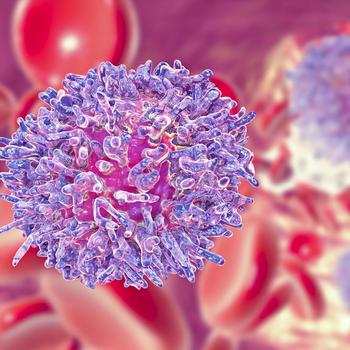
CC-92480, a novel oral cereblon E3 ligase modulator agent, plus dexamethasone demonstrated immunomodulatory activity across all dose levels examined in patients with relapsed/refractory multiple myeloma, according to data from the first portion of the ongoing phase 1 CC-92480-MM-001 trial presented during the 2020 ASH Annual Meeting & Exposition.
December 6, 2020 - Odronextamab, is a novel CD20xCD3 bispecific antibody, continues to show intriguing antitumor activity and an acceptable safety profile in patients with relapsed/refractory B-cell non-Hodgkin lymphoma, including those who have previously received chimeric antigen receptor T-cell therapy.

December 6, 2020 - Orca-T, a precision Treg-engineered donor product, demonstrated preventive potential for graft-versus-host disease, with less immunosuppression, compared with the standard of care in patients with high-risk hematologic malignancies who underwent hematopoietic stem cell transplantation.
Corey S. Cutler, MD, MPH, FRCPC, discusses the results of the ROCKstar study in chronic graft-versus-host disease.
Spyridoula Vasileiou, PhD, discusses the potential role of ALVR109, a SARS-CoV-2 virus–specific T-cell therapy, for the treatment of coronavirus disease 2019.

Ciltacabtagene autoleucel was found to elicit clinically meaningful improvements in health-related quality of life in patients with relapsed/refractory multiple myeloma, and this benefit may become even more pronounced as responses to treatment deepen over time, according to data from the CARTITUDE-1 study presented during the 2020 ASH Annual Meeting & Exposition.

December 6, 2020 - The bispecific IgM antibody IGM-2323 shrank tumors in 9 of 14 patients with CD20-positive, relapsed/refractory non-Hodgkin lymphomas in preliminary results from a phase 1 clinical trial presented at the 2020 ASH Annual Meeting

Sabatolimab demonstrated comparable pharmacokinetic activity at doses of 200 mg every 2 weeks and 800 mg every 4 weeks in combination with hypomethylating agents in patients with acute myeloid leukemia and myelodysplastic syndrome.
December 6, 2020 - The first-of-its-kind FcRH5xCD3 bispecific antibody cevostamab demonstrated a manageable safety profile with an overall response rate of 53% in heavily pretreated patients with relapsed/refractory multiple myeloma who received active doses.

December 6, 2020 — The off-the-shelf DuoBody® IgG4 PAA binding antibody talquetamab has elicited a high response rate with a tolerable safety profile in heavily pretreated patients with relapsed/refractory multiple myeloma.

December 6, 2020 — REGN5458, a BCMA- and CD3-targeted bispecific monoclonal antibody, demonstrated early, deep, and durable responses with acceptable safety and tolerability in patients with relapsed/refractory multiple myeloma.
December 6, 2020 — The investigational TKI asciminib was found to be a safe and effective treatment for patients with chronic myeloid leukemia without any alternatives in clinical practice, particularly those with prior TKI intolerance and those who achieved prior complete cytogenetic response.

December 6, 2020 — The antibody-drug conjugate belantamab mafodotin continued to showcase efficacy and tolerability in heavily pretreated patients with relapsed/refractory multiple myeloma, inducing durable responses even in those who had previously received 7 or more lines of therapy.