

Daratumumab plus talquetamab demonstrated a tolerable safety profile and induced responses in more than 75% of patients with relapsed/refractory multiple myeloma across dose levels.
Daratumumab plus talquetamab demonstrated a tolerable safety profile and induced responses in more than 75% of patients with relapsed/refractory multiple myeloma across dose levels.
Parsaclisib demonstrated early and long-lasting responses in patients with BTK-naïve, relapsed/refractory marginal zone lymphoma, according to findings from the phase 2 CITADEL-204 trial.

The use of ibrutinib plus venetoclax in the first-line setting for patients with previously untreated chronic lymphocytic leukemia continues to provide deep, durable responses, according to updated results from the MRD cohort of the phase 2 CAPTIVATE trial.

Manali Kamdar, MD, discusses the results of the phase 3 TRANSFORM trial in relapsed/refractory large B-cell lymphoma (LBCL) that were presented during the 2021 ASH Annual Meeting & Exposition.
The combination of obinutuzumab and venetoclax (GVe), as well as GVe plus ibrutinib demonstrated superior rates of undetectable minimal residual disease compared with chemoimmunotherapy in fit patients with chronic lymphocytic leukemia, according to findings from the phase 3 GAIA (CLL13) trial.
Frontline fixed-duration treatment with ibrutinib plus venetoclax led to deeper and prolonged rates of undetectable minimal residual disease in the bone marrow and peripheral blood, leading to fewer relapses in the first year post-treatment vs chlorambucil plus obinutuzumab in elderly and unfit patients with chronic lymphocytic leukemia.
The minimal residual disease–guided combination of ibrutinib plus venetoclax was found to be a feasible treatment regimen for patients with relapsed/refractory chronic lymphocytic leukemia.
Orca-T significantly improved graft-vs-host disease–free relapse-free survival and time to engraftment, significantly reduced acute and chronic GVHD, and showed a trend toward improved overall survival vs standard of care in patients with serious hematologic malignancies
Daratumumab, lenalidomide, and dexamethasone demonstrated an overall survival advantage in the first-line setting compared with the same agents in the second-line setting in patients with transplant-ineligible multiple myeloma.

Fixed-duration treatment with the bispecific antibody mosunetuzumab induced deep and durable responses with favorable tolerability in heavily pretreated patients with relapsed or refractory follicular lymphoma, meeting the primary end point of the ongoing phase 1/2b GO29781 trial.
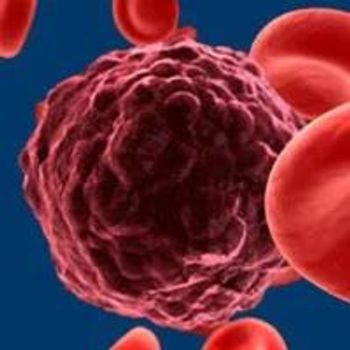
The combination of daratumumab plus ixazomib, without dexamethasone, was found to have a favorable safety profile in very elderly frail patients with relapsed or refractory multiple myeloma and high cytogenetic risk.

Lisocabtagene maraleucel demonstrated statistically and clinically meaningful improvement in event-free survival compared with the standard of care as a second-line therapy in patients with relapsed or refractory large B-cell lymphoma.

The combination of ixazomib, daratumumab, and low-dose dexamethasone elicited an objective response rate of 71% in non-transplant eligible, intermediate-fit patients with newly diagnosed multiple myeloma.
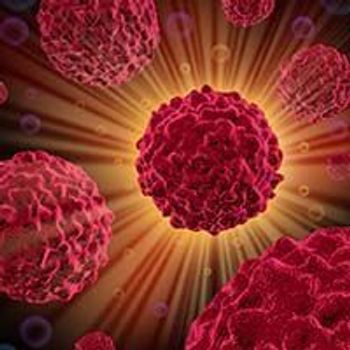
Second-line lisocabtagene maraleucel demonstrated a favorable improvement in most patient-reported outcome domains compared with standard of care in patients with relapsed or refractory large B-cell lymphoma, and health-related quality of life was found to either be improved or maintained following treatment with the CAR T-cell therapy.
Not only is the 2021 ASH Annual Meeting bursting with more than 5000 abstracts unveiling pivotal data across a range of hematologic malignancies and disorders, but the conference will be held as a hybrid format after going fully virtual in 2020.

Lisocabtagene maraleucel significantly prolonged event-free survival and progression-free survival and improved complete responses when used in the second-line treatment of patients with relapsed or refractory large B-cell lymphoma.

Lisocabtagene maraleucel demonstrated durable responses and a favorable safety profile in patients with relapsed/refractory large B-cell lymphoma.
CPX-351, when given at higher doses in induction cycles 1 and 2, significantly prolonged hematologic recovery in younger patients with newly diagnosed high-risk or secondary acute myeloid leukemia.
Yi Lin, MD, PhD, discussess updated results of the phase 1 CRB-401 study in relapsed/refractory multiple myeloma.
Robert Zeiser, MD, discusses results of the REACH3 trial in chronic graft-versus-host disease.

The antibody-drug conjugate TRPH-222 demonstrated early signs of efficacy with favorable tolerability at higher dose levels in patients with relapsed/refractory B-cell non-Hodgkin lymphoma.

December 8, 2020 — The antibody-drug conjugate brentuximab vedotin demonstrated high response rates with durability, as well as a tolerable safety profile among older patients with comorbid classical Hodgkin lymphoma.

Results reported from a group of patients with heavily pretreated multiple myeloma who were administered the combination of selinexor plus pomalidomide and low-dose dexamethasone produced positive responses and provided rationale for further investigation into the regimen.
December 8, 2020 - The combination of venetoclax and rituximab to retreat patients with relapsed/refractory chronic lymphocytic leukemia demonstrated a sustained time to next treatment benefit according to 5-year follow-up data of the MURANO study in a poster presentation at the 2020 ASH Meeting.
December 8, 2020 — Pevonedistat in combination with azacitidine improved overall survival and prolonged event-free survival compared with azacitidine monotherapy in patients with higher-risk myelodysplastic syndrome.
JAK2 and DNMT3A driver mutations can be acquired as early as in utero in patients with myeloproliferative neoplasms, demonstrating variable rates of clonal expansion and growth that influence the time to diagnosis.

Asciminib demonstrated a statistically significant and clinically meaningful improvement in the major molecular response rate at 24 weeks compared with bosutinib in patients with chronic myeloid leukemia in chronic phase who have received at least 2 prior TKIs.

December 8, 2020 - Fixed-duration treatment with mosunetuzumab elicited high, durable, and consistent responses across numerous subgroups of patients with follicular lymphoma.

December 8, 2020 - The combination of umbralisib plus ublituximab plus venetoclax demonstrated encouraging efficacy as treatment of patients with relapsed/refractory chronic lymphocytic leukemia, including those who are refractory to prior therapy with a Bruton tyrosine kinase inhibitor.

Patients with chronic lymphocytic leukemia who received treatment with single-agent acalabrutinib experienced a low incidence of cardiac toxicities leading to treatment discontinuation.