

High-frequency low-dose acalabrutinib and rituximab represents a feasible and effective combination for the treatment of patients with previously untreated chronic lymphocytic leukemia/small lymphocytic lymphoma.
High-frequency low-dose acalabrutinib and rituximab represents a feasible and effective combination for the treatment of patients with previously untreated chronic lymphocytic leukemia/small lymphocytic lymphoma.
Treatment with pacritinib, when administered at 200 mg twice daily, had a comparable safety profile to best available therapy in patients with cytopenic myelofibrosis, including those with severe thrombocytopenia.
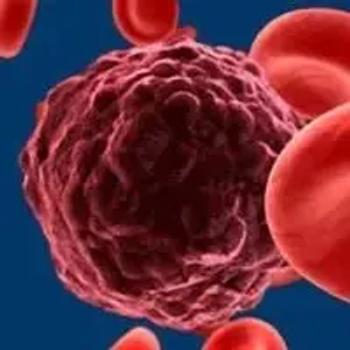
Sabatolimab, an investigational TIM-3 monoclonal antibody, induced a median duration of response greater than 1 year for patients with very high/high-risk myelodysplastic syndrome and acute myeloid leukemia when used in combination with hypomethylating agents.

Patients with polycythemia vera who have controlled hematocrit levels, but elevated white blood counts are at an increased risk of thrombotic events, according to a presentation of the REVEAL study.

YTB323, a novel, autologous CD19-directed CAR-T cell therapy, displayed a favorable safety profile and efficacy across multiple dose levels in adult patients with relapsed/refractory diffuse large b-cell lymphoma.

Venetoclax at either 400 mg or 800 mg plus daratumumab and dexamethasone elicited deep durable responses and was associated with a tolerable safety profile in patients with t(11;14) relapsed/refractory multiple myeloma.
Prognostic awareness was associated with higher rates of psychosocial distress and symptom burden, and lower quality of life in patients with multiple myeloma.

Lower 60mg and 40mg doses of Selinexor in combination with bortezomib and dexamethasone demonstrated improved efficacy and safety vs a 100mg dose for patients with relapsed or refractory multiple myeloma.
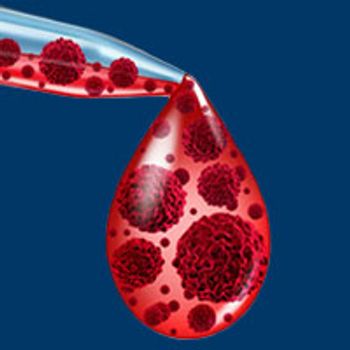
The combination of ibrutinib and venetoclax led to a lower rate of minimal residual disease compared with fludarabine, cyclophosphamide, and rituximab in patients with treatment-naïve chronic lymphocytic leukemia, according to preliminary findings from the phase 2 ERADIC trial.

Frontline treatment with axicabtagene ciloleucel demonstrated rapid and durable responses in patients with high-risk large B-cell lymphoma.

The addition of polatuzumab vedotin-piiq to R-CHP led to a 27% reduction in the risk of progression or death vs R-CHOP in patients with previously untreated, intermediate- and high-risk diffuse large B-cell lymphoma.
As second-line treatment, tisagenlecleucel failed to demonstrate an event-free survival advantage compared with standard of care platinum-based chemotherapy followed by autologous stem cell transplant or additional chemotherapy in patients with relapsed/refractory aggressive B-cell non-Hodgkin lymphoma.

Noa Biran, MD, discusses the results of an arm of the ongoing phase 1b/2 STOMP trial evaluating selinexor, dosed at 40 or 60 mg, in combination with pomalidomide and dexamethasone in relapsed/refractory multiple myeloma.

Paolo Ghia, MD, PhD, discusses the results from the minimal residual disease cohort of the phase 2 CAPTIVATE study in chronic lymphocytic leukemia that were presented during the 2021 ASH Annual Meeting & Exposition.
The addition of ibrutinib to fludarabine, cyclophosphamide, and rituximab resulted in a higher rate of complete responses with bone marrow undetectable minimal residual disease in younger, fit patients with chronic lymphocytic leukemia.

Ciltacabtagene autoleucel elicited a 97.9% objective response rate and an 82.5% stringent complete response rate in patients with relapsed/refractory multiple myeloma at a median of approximately 2 years of follow-up.
Acalabrutinib, with or without obinutuzumab, induced a significant efficacy benefit for patients with treatment-naïve chronic lymphocytic leukemia compared with ibrutinib or venetoclax plus obinutuzumab, according to findings presented during the 63rd ASH Annual Meeting and Exposition.

The 60mg phase 2 dose of selinexor plus pomalidomide and dexamethasone produced more durable and deep responses than the lesser selinexor dose for relapsed or refractory multiple myeloma.

The combination of duvelisib plus romidepsin was shown to be highly active in patients with relapsed/peripheral T-cell lymphoma, according to final results from the dose expansion stage of a phase 1 trial.
Ibrutinib-containing combinations demonstrated continued progression-free survival benefit compared with standard bendamustine plus rituximab in elderly patients with previously untreated chronic lymphocytic leukemia.

Axicabtagene ciloleucel demonstrated favorable efficacy in elderly patients and those with other comorbidities with large B-cell lymphoma; however, adverse events were more common in some of these populations and ECOG performance status ≥2 was associated with worse outcomes and more adverse events, according to a large real-world study presented at the 2021 ASH Annual Meeting.

A single infusion of ciltacabtagene autoleucel produced early and deep responses and encouraging minimal residue disease negativity in patients with multiple myeloma who experienced early clinical relapse following initial therapy.
The results also demonstrated no significant difference in overall survival benefit between the treatment groups. However, almost all patients switched from FCR to ibrutinib or another regimen after disease relapse.

Comparative data from the phase 1 CARTITUDE-1 trial and the real-world LocoMMotion study demonstrated that ciltacabtagene autoleucel bested standard options for patients with triple-class exposed multiple myeloma.
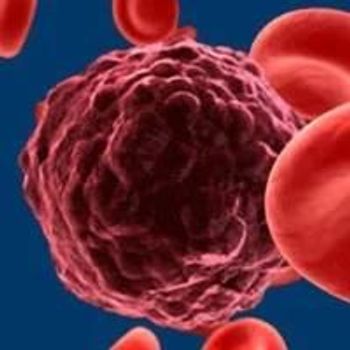
Selinexor combined with venetoclax demonstrated efficacy and tolerability in heavily pretreated relapsed/refractory multiple myeloma cell lines with t(11;14), according to small study results that were presented during the 2021 ASH Annual Meeting.

The first-in-class monoclonal antibody treatment for acute graft-versus-host disease had durable responses and tolerability for patients.

Glofitamab, an investigational CD20xCD3 bispecific antibody, induced high response rates as monotherapy or in combination with obinutuzumab in patients with multiple relapsed or refractory follicular lymphoma.

Treatment with lisocabtagene maraleucel demonstrated durable responses in patients with relapsed/refractory large B-cell lymphomas.
Cost and personal time spent on managing adverse effects for treatment with ibrutinib, acalabrutinib, or venetoclax could inform decision-making strategies for treatment selection in patients with chronic lymphocytic leukemia.
Naratuximab emtansine plus rituximab had promising response rates while also improving patient well-being when used to treat diffuse relapsed/refractory large B-cell lymphoma and other non-Hodgkin B-cell lymphomas.