
CD19-directed CAR T-cell therapy induced a high rate of rapid and durable complete responses in patients with aggressive relapsed/refractory large B-cell lymphoma.
CD19-directed CAR T-cell therapy induced a high rate of rapid and durable complete responses in patients with aggressive relapsed/refractory large B-cell lymphoma.
The triplet of umbralisib, ublituximab, and venetoclax induced a complete remission rate of 44% as a treatment for patients with relapsed/refractory chronic lymphocytic leukemia.

The combination of polatuzumab-vedotin (Polivy), obinutuzumab (Gazyva), and lenalidomide (Revlimid) induced a high rate of durable responses in patients with relapsed/refractory follicular lymphoma.
Constantine S. Tam, MD, MBBS, associate professor, Peter MacCallum Cancer Centre, discusses the results of the phase II CAPTIVATE study in chronic lymphocytic leukemia (CLL).
Noa Biran, MD, physician, John Theurer Cancer Center, discusses the 2-year update of a phase II trial of pembrolizumab (Keytruda), lenalidomide (Revlimid), and dexamethasone as post-autologous stem cell transplant consolidation in patients with high-risk multiple myeloma.

The triplet of acalabrutinib (Calquence), venetoclax (Venclexta), and obinutuzumab (Gazyva; AVO) is highly active as frontline therapy for patients with chronic lymphocytic leukemia.
With extended follow-up, progression-free survival continues to be superior with the combination of ibrutinib and rituximab compared with fludarabine, cyclophosphamide, and rituximab for patients ≤70 years with previously untreated chronic lymphocytic leukemia.

The first-line combination of ibrutinib (Imbruvica) and venetoclax (Venclexta) led to a 75% undetectable minimal residual disease rate in peripheral blood and 72% in bone marrow in patients with chronic lymphocytic leukemia.

The CAR T-cell therapy axicabtagene ciloleucel (axi-cel; Yescarta) induced a median overall survival of 25.8 months for patients with refractory large B-cell lymphoma.

The BCMA-directed CAR T-cell therapy JNJ-4528 achieved a 100% overall response rate with early and deep responses in 29 patients with heavily pretreated relapsed/refractory myeloma.

Mosunetuzumab, a novel bispecific antibody, generated durable responses in patients with highly refractory non-Hodgkin lymphomas, including complete remissions in 22.2% of those who had previously received chimeric antigen receptor T-cell therapy.
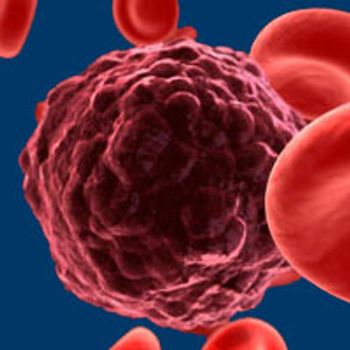
Chimeric antigen receptor T-cell therapy targeting both BCMA and CD38 induced an objective response in >90% of patients with multiple myeloma who had been treated with at least 3 prior therapies and whose disease had spread outside of the bone marrow.

Acalabrutinib (Calquence) as a single agent or in combination with obinutuzumab (Gazyva) significantly improved progression-free survival compared with obinutuzumab plus chlorambucil in treatment-naïve patients with chronic lymphocytic leukemia.
CC-93269 showed encouraging signs of dose-dependent efficacy with a safety profile that continues to be refined for patients with heavily pretreated relapsed/refractory multiple myeloma.

An investigational new drug application for the therapy, which is labeled FT596, was approved in September 2019 and human trials are scheduled to begin in the first quarter of 2020.

Ahead of the 2019 ASH Annual Meeting, C. Ola Landgren, MD, PhD, shares insight on the potentially practice-changing data in the multiple myeloma paradigm that will be discussed at the conference.
Daniel A. Barocas, MD, MPH, FACS, an associate professor in the Department of Urology at Vanderbilt University Medical Center, discusses the Comparative Effectiveness Analysis of Surgery and Radiation (CEASAR) trial in localized prostate cancer.
Kathryn E. Beckermann, MD, PhD, instructor of medicine, Division of Hematology/Oncology, Department of Medicine, Vanderbilt University Medical Center, discusses sequencing strategies in metastatic renal cell carcinoma (mRCC).

A triplet combining the PD-1 inhibitor spartalizumab with dabrafenib and trametinib led to a 12-month overall survival rate of 86.1% for patients with previously untreated advanced BRAF V600–mutant melanoma.
Ryan J. Sullivan, MD, discusses the rationale for BRAF/MEK combinations and immunotherapeutic combinations in melanoma and ongoing research examining triplet regimens.
Georgina V. Long, BSc, PhD, MBBS, FRACP, discusses the findings from a subgroup analyses of the CheckMate-067 trial.
Eric Shinohara, MD, MSCI, discusses the emergence of stereotactic body radiotherapy to treat patients with prostate cancer.

The combination of cobimetinib (Cotellic) and vemurafenib (Zelboraf) maintained an advantage for overall survival and objective response rate in patients with BRAF-positive melanoma versus vemurafenib alone.

Patients with unresectable or metastatic BRAF V600-mutant melanoma who achieve a complete response to dabrafenib (Tafinlar) plus trametinib (Mekinist) are more likely to have improved survival outcomes at 5 years.
Isabella C. Glitza, MD, discusses a single-center phase I/Ib trial of concurrent intravenous and intrathecal nivolumab for patients with metastatic melanoma and leptomeningeal disease.
Grant McArthur, PhD, discusses significant results from the final analysis of the coBRIM trial, which evaluated the 5-year survival data of cobimetinib plus vemurafenib in patients with BRAF V600-mutated advanced melanoma.

Talimogene laherparepvec (T-VEC; Imlygic) prior to surgery was associated with improved recurrence-free survival and overall survival compared with surgery alone in patients with resectable advanced melanoma.
Ryan J. Sullivan, MD, discusses the significance of the BRAF/MEK combination dabrafenib and trametinib, which was the first BRAF/MEK inhibitor regimen to be approved by the FDA for the treatment of patients with BRAF V600E–positive stage III melanoma following complete resection.
Adil Daud, MD, discusses the role of dabrafenib plus trametinib in patients with advanced melanoma and highlighted other combinations under investigation.
The combination of nivolumab (Opdivo) and ipilimumab (Yervoy) showed a sustained survival benefit compared with nivolumab or ipilimumab alone, according to 5-year follow-up results.