
Outpatient administration of CAR T-Cell therapy is safe and effective, according to an analysis of 3 studies of lisocabtagene maraleucel in patients with relapsed/refractory large B-cell lymphoma.
Outpatient administration of CAR T-Cell therapy is safe and effective, according to an analysis of 3 studies of lisocabtagene maraleucel in patients with relapsed/refractory large B-cell lymphoma.
Tania Jain, MBBS, discusses hematopoietic recovering following treatment with a chimeric antigen receptor T-cell therapy in patients with hematologic malignancies.
Luis E. Raez, MD, provides insight into therapies available to patients with ALK-mutant non–small cell lung cancer and underscores the role of genetic testing in informing treatment decisions.
Chemotherapy in combination with immunotherapy holds promise in the treatment paradigm for patients with ovarian cancer, Floor Backes, MD, said at the 2020 SGO Winter Meeting.
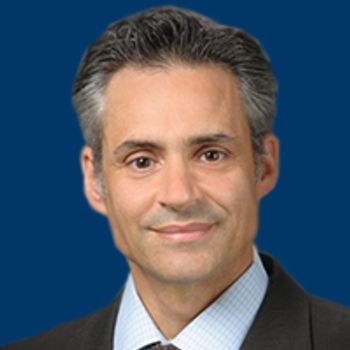
Robert L. Coleman, MD, FACOG, FACS, discusses the role of rucaparib as a treatment option for patients with ovarian cancer, how this agent compares with other PARP inhibitors in this space, and where research is headed for these agents.
Heather A. Wakelee, MD, discusses therapy options when patients with lung cancer must receive treatment options immediately rather than wait for molecular testing results.
Nathan A. Pennell, MD, PhD, discusses the benefits of liquid biopsies in lung cancer.
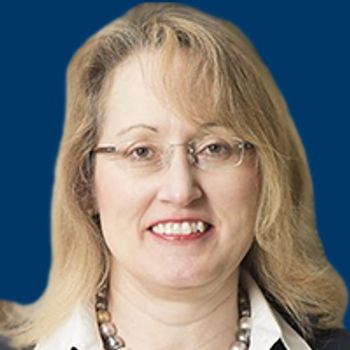
Julie R. Brahmer, MD, discusses the impact of osimertinib in EGFR-mutant non–small cell lung cancer, ongoing research with the agent, and the importance of molecular testing.
Treatment with osimertinib in the frontline has been the standard of care for patients with EGFR-mutant non–small cell lung cancer since the pivotal FLAURA trial.
Floor J. Backes, MD, discusses the role of PARP inhibitors as treatment of patients with ovarian cancer and her experience with these agents, such as rucaparib.
Angeles Alvarez Secord, MD, discusses a presentation from the 2020 SGO Winter Meeting that focused on assistance with the financial burden associated with PARP inhibitors in patients with ovarian cancer.
Significant research advances in targeted therapy and immunotherapy within the past years have created a more personalized approach to treatment for patients with advanced non–small cell lung cancer.
Three pivotal clinical trials evaluating PARP inhibitors have significantly impacted the treatment of patients with newly diagnosed ovarian cancer.
Based on available data, treatment is not that obvious for patients with metastatic non–small cell lung cancer who are tolerating treatment well and have either a complete or partial response to therapy.

Ian Hagemann, MD, PhD, discusses the main take home from his presentation at the 2020 SGO Winter Meeting.
Julia Fehniger, MD, shares her thoughts on the development of PARP inhibitors in ovarian cancer and expansion into other tumor types.

With few chemotherapy options available for patients with cervical cancer, R. Wendel Naumann, MD, said that immunotherapy represents an attractive treatment option in the landscape.
Suresh S. Ramalingam, MD, FASCO, discusses the current treatment parameters for osimertinib in EGFR-mutant non–small cell lung cancer and ongoing research with the agent.
Gilberto De Lima Lopes, MD, discusses the standard of care for pembrolizumab in patients with metastatic lung cancer.
The standard of care for patients with small cell lung cancer has been trapped in a period of stagnation for the past several decades.
The potential therapeutic benefits of immune checkpoint inhibitors as monotherapy as well as in combination with chemotherapy for patients with non–small cell lung cancer depend greatly on the timing of treatment initiation. However, for patients with EGFR, ALK, and other actionable mutations, identifying the optimal combination is a hurdle.
Angeles Alvarez Secord, MD, gynecologic oncologist, Duke Cancer Center, discusses the role of PARP inhibitors in ovarian cancer based on their current indications in the treatment landscape.

Carrie L. Langstraat, MD, gynecologic oncologist, Mayo Clinic, discusses the role of sentinel lymph nodes in patients with endometrial cancers.
Floor J. Backes, MD, discusses the latest advancements made in the treatment of patients with ovarian cancer and the ongoing research efforts that are being made with novel combinations.
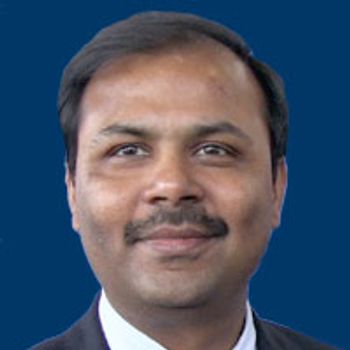
Advancements in the prevention and treatment of patients with lung cancer have picked up momentum over the past decade and now is the time to build on that progress according to Suresh S. Ramalingam, MD, FASCO.
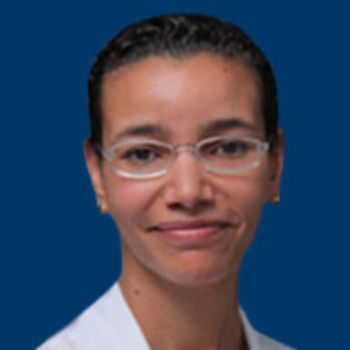
Tumors from a significant percentage of patients with endometrial cancer at NYU Langone Health’s Perlmutter Cancer Center were found to have BRCA1/2 somatic mutations.
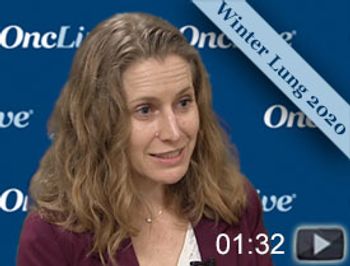
Jamie E. Chaft, MD, discusses the rise of immunotherapy in lung cancer and research with this treatment modality that is on the horizon.
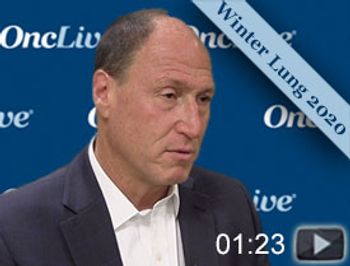
Rogerio C. Lilenbaum, MD, discusses using PD-L1 as a predictive biomarker for immunotherapy and the search for additional biomarkers in lung cancer.
Benjamin P. Levy, MD, discusses emerging oncogenic markers in lung cancer and what impact they are poised to make on the paradigm.
In ovarian cancer, disease that returns within 6 months of treatment following platinum-based therapy is defined as platinum-sensitive.