

CPX-351 reduced the risk of death by 31% compared with cytarabine and daunorubicin (7+3) for older patients with high-risk, secondary AML.
CPX-351 reduced the risk of death by 31% compared with cytarabine and daunorubicin (7+3) for older patients with high-risk, secondary AML.
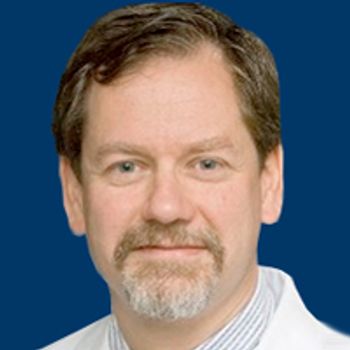
The combination of the 4-1BB agonist utomilumab and the PD-1 inhibitor pembrolizumab was safe and effective as a treatment for patients with advanced solid tumors.

John D. Hainsworth, MD, co-founder; principal investigator, Sarah Cannon Research Institute, discusses the results of the MyPathway trial, which was an open-label, phase IIa umbrella basket study.
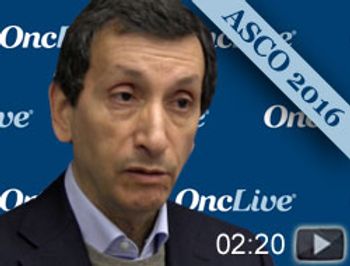
Michele Cavo, MD, professor, Seràgnoli Institute of Hematology Bologna University School of Medicine, discusses the results of the phase III EMN02/HO95 MM trial, which compared the efficacy of upfront autologous stem cell transplantation versus novel agent-based therapy for the treatment of patients with multiple myeloma.

Two-year follow-up data showed sustained improvements in overall survival with nivolumab in pretreated patients with either nonsquamous or squamous non–small cell lung cancer in updated findings from the phase III CheckMate-057 and -017 trials.
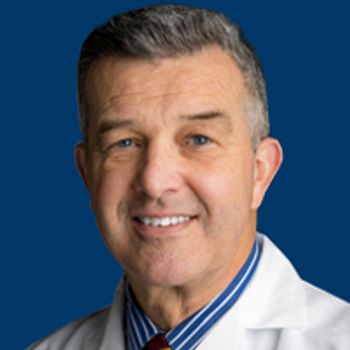
Single-agent nivolumab demonstrated encouraging signs of activity with a mild adverse event profile for patients with recurrent glioblastoma multiforme.

Treating patients based on the presence of molecular abnormalities regardless of tumor type proved to be a promising strategy in an ongoing phase IIa umbrella basket study.

The liquid biopsy testing method correlated closely with mutations described in databases and in some cases from tumor biopsies.
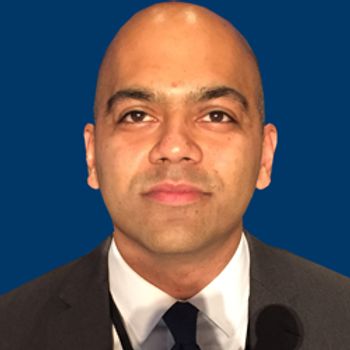
Researchers are hoping that a new nationwide effort to encourage patients to share their tumor samples and clinical information will lead to new discoveries and better treatments.
A combination regimen of the PD-L1 inhibitor atezolizumab (Tecentriq) and the investigational OX40 agonist MOXR0916 was well tolerated and showed early signs of of antitumor activity in solid tumors.
A regimen consisting of carfilzomib, pomalidomide, and dexamethasone merits further investigation for the treatment of patients with multiple myeloma whose disease progresses while on lenalidomide in the earlier stages of disease.

Treatment with the combination of nivolumab and ipilimumab demonstrated a median overall survival of 7.7 months and a 1-year OS rate of 43% for patients with recurrent small cell lung cancer.
Intraperitoneal chemotherapy is beneficial and tolerable, and physicians should present it as an option to women who have had successful cytoreductive surgery for their advanced epithelial ovarian cancer.

Andreas Hochhaus, MD, professor of Internal Medicine, Hematology and Oncology, interim head of the Department of Hematology and Medical Oncology, University Medical Center Jena in Germany, discusses results of the phase II ENESTFreedom study, which examined treatment-free survival (TFS) in patients with chronic myeloid leukemia (CML) who received frontline nilotinib (Tasigna).
The CDK4/6 inhibitor abemaciclib induced a response rate of nearly 20% in heavily pretreated patients with refractory, HR-positive, HER2-negative advanced breast cancer, according to findings from the phase II MONARCH 1 trial.
The anti-CD38 monoclonal antibody isatuximab showed promising signs of activity as a single-agent for patients with heavily pretreated relapsed/refractory multiple myeloma.
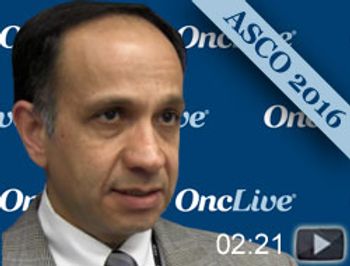
Hossein Borghaei, DO, chief, Thoracic Oncology, director, Lung Cancer Risk Assessment, associate professor, Department of Hematology/Oncology, Fox Chase Cancer Center, discusses 2-year follow-up results of the CheckMate-017 and -057 studies, which compared the efficacy of nivolumab (Opdivo) versus docetaxel in patients with advanced non–small cell lung cancer (NSCLC).

Results from a phase III trial investigating the benefit of adjuvant temozolomide in combination with radiation therapy has the potential to be practice changing for a rare type of brain cancer.
A biosimilar version of trastuzumab demonstrated equivalent efficacy and safety to the FDA-approved branded drug in a randomized phase III study among patients with HER2-positive metastatic breast cancer.
The addition of capecitabine to standard adjuvant gemcitabine doubled 5-year overall survival (OS) rates for patients with pancreatic cancer whose tumors were surgically removed.

Immunotherapy agents targeting the PD-1/PD-L1 pathway will be the most robust area for news at the 2016 ASCO Annual Meeting, but there will be much new data about recently approved and novel anticancer drugs for clinicians to digest.
Research into 6 drugs scheduled to be presented during the upcoming 2016 ASCO Annual Meeting stand out as the most noteworthy abstracts on the docket this year because of their potential to influence clinical practice in the near future.
Forty percent of patients with advanced melanoma who started taking pembrolizumab during the clinical trial that led to its initial approval were still alive after 3 years, with many responders in remission even after stopping treatment.
Early findings from a phase III clinical trial suggest that patients with multiple myeloma who receive upfront autologous stem cell transplant survive longer without disease progression than those who receive chemotherapy alone.
Survival outcomes in patients with metastatic colorectal cancer were significantly longer among those with tumors originating on the left versus the right side of the colon, according to a retrospective analysis of the phase III 80405 trial.

Early palliative care integrated with oncology care benefits not only patients with cancer but also family caregivers.

Outcomes were significantly better in clinical trials that utilized a biomarker-based treatment selection strategy compared with non-personalized approaches.
Krishna Vanaja Donkena, PhD, Assistant Professor of Biochemistry and Molecular Biology, Center for Individualized Medicine, Mayo Clinic, discusses using immune and checkpoint markers to predict cancer-specific survival in bladder cancer.
Major health policy implications follow findings from the landmark Prostate, Lung, Colorectal, and Ovary screening trial, after it was found that 80% of the control group reported at least one PSA test during the trial.
Dennise Geiger, RN, Regional Cancer Care Associates, Central Jersey Division, discusses difficulties nurses face when using telephone triage, and the plan that was developed to better streamline the process.Â