
Treatment with teclistamab led to responses in patients with relapsed/refractory multiple myeloma, including those previously exposed to anti-BCMA therapies.
Treatment with teclistamab led to responses in patients with relapsed/refractory multiple myeloma, including those previously exposed to anti-BCMA therapies.

Forimtamig monotherapy generated high overall response rates and durable responses in all subgroups of patients with relapsed/refractory multiple myeloma enrolled in a phase 1a dose-escalation trial.

Although quadruplet combination regimens featuring daratumumab demonstrated consistent efficacy in the treatment of patients with newly diagnosed multiple myeloma, certain prognostic factors were associated with early relapse, according to data from a retrospective analysis presented at the 2023 International Myeloma Society Annual Meeting.

Treatment with teclistamab-cqyv in real-world patients with relapsed/refractory multiple myeloma elicited similar efficacy results and a comparable safety profile to findings from the phase 1/2 Majes-TEC-1 trial.

Induction daratumumab, carfilzomib, lenalidomide, and dexamethasone followed by consolidation double transplant sustained efficacy and safety in patients with high-risk, newly diagnosed multiple myeloma.

Joshua Richter, MD, discusses findings from the phase 1/2 LINKER-MM1 trial (NCT03761108) in multiple myeloma.
Shonali Midha, MD, discusses real-world data with teclistamab in patients with relapsed/refractory multiple myeloma.

Whole-genome sequencing of patients with multiple myeloma revealed that sequential immunotherapy was linked with antigen loss associated with treatment resistance and disease relapse.

Treatment with the combination of pomalidomide, bortezomib, and dexamethasone conferred a small, statistically nonsignificant overall survival benefit compared with bortezomib plus dexamethasone in patients with relapsed/refractory multiple myeloma.

Mezigdomide in combination with either bortezomib and dexamethasone or carfilzomib and dexamethasone showed encouraging responses across multiple dose levels in patients with relapsed/refractory multiple myeloma.

Use of the novel T-charge rapid manufacturing platform for the production of durcabtagene autoleucel CAR T cells within 2 days was successful in producing rapid and robust in vivo expansion, as well as long-term T-cell persistence in patients with relapsed/refractory multiple myeloma, according to a correlative analysis of data from an ongoing phase 1 trial presented at the 2023 IMS Annual Meeting.

Overall response rates with bispecific antibody monotherapy in patients with extramedullary relapsed/refractory multiple myeloma were lower than ORRs observed across all patients with relapsed/refractory multiple myeloma included in a systematic review evaluating the efficacy of this class of agents in this difficult-to-treat population.

Exercises such as resistance training and walking were safe and effective interventions that were associated with improved frailty scores in patients with multiple myeloma receiving systemic treatment.
Meral Beksac, MD, discusses overall survival data from the phase 3 OPTIMISMM trial in relapsed/refractory multiple myeloma.

Lisa Leypoldt, MD, discusses findings from the phase 2 GMMG-CONCEPT trial in patients with multiple myeloma.

Treatment with the combination of isatuximab, carfilzomib, lenalidomide, and dexamethasone generated high rates of minimal residual disease negativity in patients with newly diagnosed, high-risk multiple myeloma, irrespective of transplant status.
The smoldering multiple myeloma treatment paradigm harbors fractures in the consensus regarding the optimal management of this disease, with some experts favoring a watch-and-wait approach and others advocating for early treatment.
Early lung-specific response to atezolizumab plus bevacizumab was associated with longer overall survival in patients with hepatocellular carcinoma with pulmonary metastases.

Second-line treatment with regorafenib displayed safety in patients with advanced hepatocellular carcinoma who were not eligible for treatment on the phase 3 RESORCE trial, according to data from the phase 2 REGAIN trial.
The addition of toripalimab to standard-of-care sorafenib in the frontline setting demonstrated preliminary efficacy and tolerability in patients with unresectable hepatocellular carcinoma.

Uwe Platzbecker, MD, discusses how the FDA approval of luspatercept for the treatment of anemia in patients who have not had prior treatment with erythropoiesis-stimulating agent and may require regular red blood cell transfusions could change the sequencing of agents for this patient population.
The phase 2 ACTION trial, which evaluated the safety of second-line cabozantinib in patients with hepatocellular carcinoma who were intolerant to first-line sorafenib or who received agents other than sorafenib in the first line, did not meet its safety futility criteria, allowing the trial to continue.
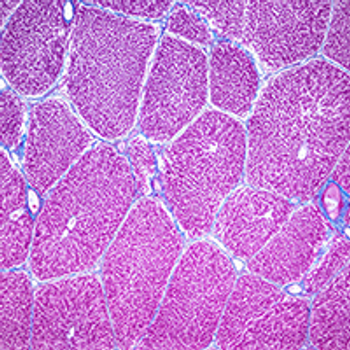
Tissue- and blood-based molecular analysis could help match patients with advanced hepatocellular carcinoma or hepatocholangiocarcinoma following disease progression on frontline atezolizumab and bevacizumab to targeted therapy or another TKI based on identified genomic alterations.
The use of an immuno-oncology regimen as systemic therapy was found to be an independent prognostic factor and was associated with improved long-term survival for patients with hepatocellular carcinoma, regardless of IO’s sequencing in the first and later lines of treatment.

Anna Minchom, MB BCh, MRCP, MD, discusses the need to develop an amivantamab administration method that decreases the likelihood of infusion-related reactions in patients with solid tumors, revealed the RP2D of subcutaneous amivantamab that was determined in the PALOMA trial, and emphasized potential future directions with this agent.
Patient preferences should be considered when selecting the optimal treatment regimen for patients with relapsed/refractory follicular lymphoma, as both CD19-directed CAR T-cell therapies and CD20-targeted bispecific antibodies can be efficacious in this population, according to a presentation by Caron A. Jacobson, MD, MMSc, at the 2023 SOHO Annual Meeting.
Neoadjuvant treatment with the combination of nivolumab and ipilimumab led to responses and was well tolerated in patients with resectable hepatocellular carcinoma.
Efforts to widen the treatment armamentarium for patients with mantle cell lymphoma have been thwarted by increased toxicities and resistance mechanisms with effective therapies such as BTK inhibitors.

Real-world data from a systemic review of treatment patterns in the United States showed that the majority of patients with hepatocellular carcinoma administered atezolizumab and bevacizumab in the frontline setting discontinued treatment within 12 months, indicating the need for additional research on the effectiveness of this regimen for patients with high-risk disease.

Treatment with ramucirumab in the second line after first-line lenvatinib monotherapy or the combination of atezolizumab and bevacizumab, or as third-line treatment following both regimens, elicited efficacy comparable with second-line ramucirumab following treatment with sorafenib in patients with advanced hepatocellular carcinoma.