

Neoadjuvant treatment with the combination of nivolumab and ipilimumab led to responses and was well tolerated in patients with resectable hepatocellular carcinoma.
Neoadjuvant treatment with the combination of nivolumab and ipilimumab led to responses and was well tolerated in patients with resectable hepatocellular carcinoma.

The European Medicines Agency has validated its Type II variation for enzalutamide as an option in patients with nonmetastatic hormone-sensitive prostate cancer at high risk of biochemical recurrence who are not suitable for salvage radiotherapy.

The Safety Monitoring Committee determined that prespecified criteria for pathologic complete response were met with the use of the PD-1 inhibitor tislelizumab alone or in combination with APL-1202 as neoadjuvant therapy in patients with muscle invasive bladder cancer.

The addition of the PD-L1 inhibitor atezolizumab to bevacizumab and platinum-based chemotherapy did not result in a statistically significant progression-free survival benefit among patients with recurrent epithelial ovarian cancer.

Sophia Rose O’Brien, MD, discusses the optimal uses for FDG PET/CT and FES PET/CT in patients with metastatic breast cancer; limitations of these imaging modalities to consider, particularly in patients with estrogen receptor-positive disease; and the potential advantages of using FDG assessment in patients with oligometastatic disease.
Efforts to widen the treatment armamentarium for patients with mantle cell lymphoma have been thwarted by increased toxicities and resistance mechanisms with effective therapies such as BTK inhibitors.

Real-world data from a systemic review of treatment patterns in the United States showed that the majority of patients with hepatocellular carcinoma administered atezolizumab and bevacizumab in the frontline setting discontinued treatment within 12 months, indicating the need for additional research on the effectiveness of this regimen for patients with high-risk disease.

Treatment with ramucirumab in the second line after first-line lenvatinib monotherapy or the combination of atezolizumab and bevacizumab, or as third-line treatment following both regimens, elicited efficacy comparable with second-line ramucirumab following treatment with sorafenib in patients with advanced hepatocellular carcinoma.
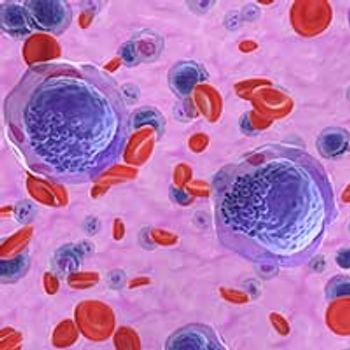
Following the FDA approvals of the JAK inhibitors ruxolitinib, fedratinib, and pacritinib, the treatment landscape of myelofibrosis continues to grow with the use of these agents with an additional FDA review planned for momelotinib in September 2023.

A marketing authorization application has been submitted to the European Medicines Agency seeking the approval of erdafitinib for the treatment of adult patients with locally advanced, unresectable or metastatic urothelial carcinoma harboring susceptible FGFR3 alterations who experienced disease progression during or following at least 1 line of therapy containing a PD-1/PD-L1 inhibitor.
The FDA has granted fast track designation to the first-in-class innate cell engager AFM13 plus AlloNK for the treatment of patients with relapsed/refractory Hodgkin lymphoma.
Press Release
American Oncology Network, one of the fastest-growing community oncology networks in the United States, proudly celebrated its fifth anniversary, commemorating a half-decade of excellence in advancing community oncology and driving value-based care initiatives to close the cancer care gap.

Daneng Li, MD, highlights the importance of biomarker testing in gastroesophageal and biliary tract cancers, the potential role for targeted therapy in first-line CRC treatment, and when to choose neoadjuvant therapy over upfront surgery and adjuvant therapy in pancreatic cancer.

R. Lor Randall, MD, FACS, discusses the process of organizing the symposium, key surgical and non-surgical advancements as well as socioeconomic disparities identified in these papers, and the importance of this information for both surgical and medical oncologists.

The addition of atezolizumab to bevacizumab, carboplatin, and pemetrexed or paclitaxel (ABCP) did not result in a statistically significant improvement in progression-free survival vs BCP for patients with metastatic nonsquamous non–small cell lung cancer in the first line, missing the primary end point of the phase 3 IMpower151 study.

Treatment with durvalumab plus tremelimumab and chemotherapy led to higher rates of long-term clinical benefit compared with chemotherapy alone in the treatment of patients with first-line metastatic non–small cell lung cancer.
The addition of perioperative durvalumab to neoadjuvant chemotherapy led to a significant improvement in terms of pathological complete response and event-free survival compared with placebo plus chemotherapy in patients with resectable non–small cell lung cancer.
The addition of durvalumab to chemotherapy prior to surgery, followed by adjuvant durvalumab, did not provide a clear clinical benefit in patients with early-stage non–small cell lung cancer harboring an EGFR mutation, according to data from the phase 3 AEGEAN trial.

Zongertinib will proceed to phase 1b evaluation at doses of 120 mg and 240 mg once daily in patients with HER2–mutant non–small cell lung cancer following preliminary efficacy signals and acceptable safety in patients with advanced HER2–mutant solid tumors enrolled in the dose-escalation portion of the phase 1a/b BEAMION Lung-1 trial.
Treatment with durvalumab was associated with lower real-world progression-free survival in patients with unresectable, stage III EGFR-mutated non–small cell lung cancer vs patients with EGFR wild-type disease.

A rolling new drug application seeking the approval of tovorafenib monotherapy for the treatment of patients with relapsed or progressive pediatric low-grade glioma has been submitted to the FDA.

Osimertinib in combination with platinum-based therapy and pemetrexed demonstrated a statistically significant and clinically meaningful improvement in progression-free survival vs osimertinib monotherapy in patients with EGFR-mutated advanced non–small cell lung cancer.

Press Release
Fox Chase Cancer Center and Temple Health are pleased to announce the hiring of Randall A. Lee, MD, as an Assistant Professor in the Department of Urology and a member of the Fox Chase-Temple Urologic Institute.
The FDA has approved motixafortide (Aphexda) in combination with filgrastim (Neupogen) to mobilize hematopoietic stem cells to the peripheral blood for collection and subsequent autologous stem cell transplant in patients with multiple myeloma.
The combination of the SHP2 inhibitor TNO155 and the KRAS G12C inhibitor JDQ433 showed antitumor activity in patients with KRAS G12C-mutated solid tumors, including non–small cell lung cancer, irrespective of prior treatment with a KRAS G12C inhibitor.

Treatment with at least 90 μg/kg of the novel DLLC-targeting T-cell–engager BI 764532 was well tolerated and led to tumor shrinkage in patients with small cell lung cancer and neuroendocrine carcinoma.

Treatment with iruplinalkib significantly improved progression-free survival and produced a higher objective response rate compared with crizotinib in patients with ALK TKI–naïve, locally advanced and metastatic ALK-positive non–small cell lung cancer, according to data from a prespecified interim analysis of the phase 3 INSPIRE trial.

Treatment with the antibody-drug conjugate ifinatamab deruxtecan in heavily pretreated patients with small cell lung cancer led to promising efficacy and a manageable safety profile.

The use of the oral, brain penetrant, furmonertinib, resulted in encouraging responses and a tolerable safety profile in patients with advanced non–small cell lung cancer harboring EGFR exon 20 insertion mutations, according to data from the phase 1b FAVOUR trial.

Early antitumor activity has been observed in patients with metastatic non–small cell lung cancer treated with the combination of sacituzumab govitecan-hziy and pembrolizumab in the first-line setting.