

Press Release
Anjali Albanese, MSW, LSW, OSW-C, a licensed social worker at Fox Chase Cancer Center, will receive the Compassionate Care Award from the Sarcoma Foundation of America during the Stand Up to Sarcoma Gala on September 19 in New York.
Press Release
Anjali Albanese, MSW, LSW, OSW-C, a licensed social worker at Fox Chase Cancer Center, will receive the Compassionate Care Award from the Sarcoma Foundation of America during the Stand Up to Sarcoma Gala on September 19 in New York.

The FDA has granted 2 breakthrough therapy designations to trastuzumab deruxtecan for the treatment of patients with unresectable or metastatic HER2-positive solid tumors that have progressed after prior treatment and who have no satisfactory alternative treatment options, and for those with HER2-positive metastatic colorectal cancer who have received at least 2 prior lines of therapy.

Treatment with neoadjuvant durvalumab plus gemcitabine and cisplatin followed by radical surgery and adjuvant durvalumab for patients with muscle-invasive urothelial carcinoma resulted in 2-year event-free survival rates that met the primary end point of the phase 2 SAKK 06/17 trial.

Martin Cannon, PhD, details the history of investigating immune checkpoint inhibitors in patients with ovarian cancer and expands on the questions that need to be answered to potentially improve the activity of these agents in this patient population.

Treatment with combination of mezigdomide and dexamethasone produced responses with a safety profile that consisted primarily of myelotoxic adverse effects in heavily pretreated patients with relapsed/refractory multiple myeloma.

The Center for Drug Evaluation, of the National Medical Products Administration in China, has granted breakthrough therapy designation to repotrectinib for use in patients with advanced solid tumors harboring a NTRK gene fusion who experienced disease progression after TKI treatment.

Jue Wang, MD, highlights key takeaways regarding treatment sequencing for patients with relapsed/refractory urothelial carcinoma and the key factors that could help inform decisions for individual patients.

Thierry André, MD, discusses the investigation of trifluridine/tipiracil plus bevacizumab in patients with metastatic colorectal cancer, including how its use as a standard of care in the third line supported its investigation in the first-line setting, the regimen’s efficacy and safety in the SOLSTICE trial, and the importance of this combination for patients in this space despite negative trial results.

The Center for Drug Evaluation, of the National Medical Products Administration in China, has granted a breakthrough therapy designation to savolitinib for use in patients with locally advanced or metastatic gastric cancer or gastroesophageal junction with MET amplification in whom at least 2 lines of standard therapy have failed.

Novartis will discontinue the development of the anti-TGFß monoclonal antibody NIS793 for the treatment of patients with pancreatic cancer and other malignancies, according to a SEC filing from Xoma.

The FDA and Eagle Pharmaceuticals have agreed on the next steps for the development of EA-114, an estrogen receptor antagonist and novel formulation of fulvestrant used in the treatment of postmenopausal women with breast cancer.

Press Release
City of Hope announced the appointment of Marcel van den Brink, MD, PhD, as president of City of Hope Los Angeles and National Medical Center, chief physician executive and the Deana and Steve Campbell Chief Physician Executive Distinguished Chair in honor of Alexandra Levine, MD.

Funda Meric-Bernstam, MD, discusses the safety of CBX-12 and exploring dosage of the agent.

The novel anti-PD-1 antibody geptanolimab demonstrated durable antitumor activity and favorable tolerability in patients with recurrent or metastatic PD-L1–positive cervical cancer who previously progressed on a platinum-based regimen.

Great Britain’s Medicines and Healthcare Products Regulatory Agency has approved subcutaneous atezolizumab for all indications in which the intravenous formulation of the drug has been approved, including select types of lung, bladder, breast, and liver cancers.

The FDA has granted an orphan drug designation to bexmarilimab for the treatment of patients with acute myeloid leukemia.

Gene therapy that induces the body to create microRNA-22, a naturally occurring molecule, successfully treated mice with hepatocellular carcinoma, the most common form of liver cancer.
A supplemental new drug application seeking the full approval of erdafitinib for the treatment of adult patients with locally advanced or metastatic urothelial carcinoma harboring susceptible FGFR3 alterations who progressed during or following at least 1 line of a PD-1/PD-L1 inhibitor in the locally advanced or metastatic setting or within 12 months of neoadjuvant or adjuvant therapy, has been submitted to the FDA.

The European Commission has approved pembrolizumab for use in combination with trastuzumab, fluoropyrimidine- and platinum-containing chemotherapy for the first-line treatment of adult patients with locally advanced unresectable or metastatic, HER2-positive gastric or gastroesophageal junction adenocarcinoma whose tumors express PD-L1 with a combined positive score of at least 1.

Sara M. Tolaney, MD, MPH, highlights updated survival and safety data seen with sacituzumab govitecan in patients with hormone receptor–positive, HER2-negative breast cancer; underscores how Trop-2 and HER2 testing is not necessarily needed for this agent in this population at this time; and shares how ongoing efforts are exploring the utilization of this agent earlier in the treatment course.
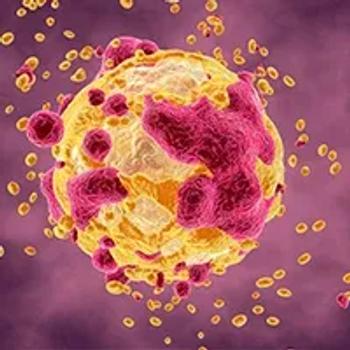
The addition of pembrolizumab to COPDAC-28 consolidation may augment responses to treatment in pediatric and young adult patients with high-risk classical Hodgkin lymphoma who experience a slow early response to frontline chemotherapy.

The FDA has approved luspatercept-aamt (Reblozyl) for the treatment of anemia without prior erythropoiesis stimulating agent (ESA) use in adult patients with very low– to intermediate-risk myelodysplastic syndrome (MDS) who may require regular red blood cell (RBC) transfusions.

Funda Meric-Bernstam, MD, discusses the design of the DESTINY-PanTumor02 trial, details the antitumor activity and safety of T-DXd in HER2-expressing solid tumors, and shares additional analyses that will be coming down the pike.

Lyudmila A. Bazhenova, MD, discusses upcoming inhibitors of interest in the combination therapy space for patients with KRAS G12C–mutant NSCLC.
Daniel P. Petrylak, MD, discusses strategies he and his colleagues at Yale Cancer Center have employed to reduce the effect of the current chemotherapy shortage on patients, and emphasizes the need to reassess current manufacturing strategies in an effort to potentially mitigate future drug shortages.

Neil Desai, MD, MHS, expands on the need for further research regarding potential treatment strategies for patients with locally advanced, nonmetastatic muscle-invasive bladder cancer who may not benefit from standard approaches.

Press Release
Researchers at Huntsman Cancer Institute identified potential new treatment options for people with endometrial cancer.
The addition of tumor treating fields to paclitaxel did not result in a statistically significant improvement in overall survival vs paclitaxel alone in patients with platinum-resistant ovarian cancer, failing to meet the primary end point of the phase 3 ENGOT-ov50/GOG-3029/INNOVATE-3 trial.
Rami Komrokji, MD, discusses an international dataset analysis of the 2 current classification systems for patients with myelodysplastic syndromes, as well as the next steps being taken to develop a more harmonized classification system.

The safety profile of subcutaneous trastuzumab was consistent with the known profile of intravenous administration of the agent and there were no new concerns related to prolonged exposure in patients with HER2-positive metastatic breast cancer.