
Press Release
Acute myeloid leukemia is a cancer that affects blood cells in the bone marrow- the spongy tissue inside certain bones where new blood cells are made.
Press Release
Acute myeloid leukemia is a cancer that affects blood cells in the bone marrow- the spongy tissue inside certain bones where new blood cells are made.
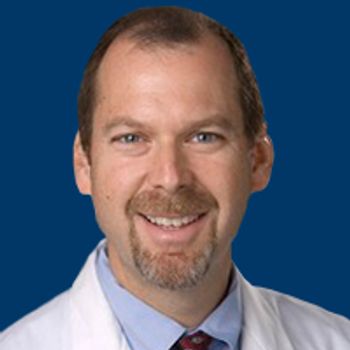
Mitchell E. Horwitz, MD, expands on key efficacy and safety data supporting the FDA approval of omidubicel, the significance of this decision for the blood cancer treatment paradigm, and the need for continued investigation of the agent in non-malignant disease and other patient subgroups.
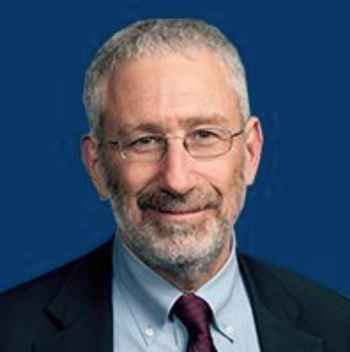
The potential effectiveness of employing placebo in cancer clinical investigation is not difficult to appreciate, but the use of this approach has been, and continues to be, controversial.
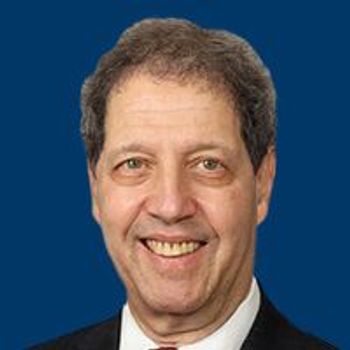
Morie A. Gertz, MD, discusses the limitations of the current Mayo Stage IV amyloidosis treatment landscape, the rationale for investigating birtamimab in this population, and the importance of raising awareness for the AFFIRM-AL trial.
Roxadustat proved to be noninferior to recombinant erythropoietin alfa with regard to change in hemoglobin level from baseline to an average level during weeks 9 to 13 in patients receiving concurrent chemotherapy for non-myeloid malignancies in China, meeting the primary end point of an ongoing phase 3 trial.
Fred Saad, MD, FRCS, expands on the relationship between PSA responses and survival outcomes in the ARASENS trial, explained the use of 0.2 ng/mL as a standard cut off for undetectable PSA within this exploratory analysis, and discussed how this study elucidates future directions for research with triplet regimens in mHSPC.

Abemaciclib plus endocrine therapy delivered sustained survival benefits with a tolerable safety profile when used as adjuvant treatment in Chinese patients with high-risk, hormone receptor–positive, HER2-negative early breast cancer.

Roger Li, MD, discusses how the synergistic mechanism of pembrolizumab plus CG0070 could address unmet needs in BCG-unresponsive NMIBC, safety and efficacy data for the combination from the CORE-001 trial, and how those data support planned research efforts for CG0070 in this space.
Press Release
Huntsman Cancer Institute at the University of Utah, the only place in the region devoted to developing new treatments for cancer, announced the opening of the Kathryn F. Kirk Center for Comprehensive Cancer Care and Women’s Cancers.

The FDA has granted an orphan drug designation to rucosopasem manganese for the treatment of patients with pancreatic cancer.
Chan Cheah, MBBS, FRACP, FRCPA, DMSc, discusses key safety and efficacy data from the EPCORE NHL-1 trial that may serve to support the approval of epcoritamab in patients with relapsed or refractory large B-cell lymphoma, and highlighted ongoing research efforts seeking to further move the needle forward in this disease.
Antoinette R. Tan, MD, MHSc, discussed the promise of oral SERDs as they continue to be developed for the treatment of patients with ER-positive, HER2-negative breast cancer, factors that inform treatment decisions following disease progression on a CDK4/6 inhibitor, and the growing role of antibody-drug conjugates across the breast cancer spectrum.

Eftilagimod alpha plus pembrolizumab provided an overall survival benefit over what has been reported with historical controls when given as first-line treatment in patients with non–small cell lung cancer and a PD-L1 tumor proportion score of at least 1%.
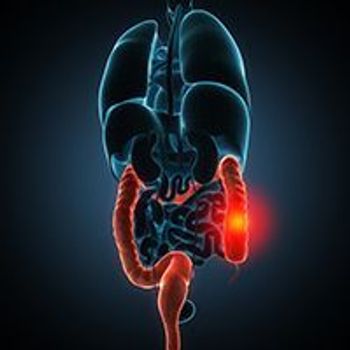
Triplet therapy consisting of encorafenib, cetuximab, and binimetinib demonstrated activity and manageable safety as first-line treatment for patients with BRAF V600E–mutated metastatic colorectal cancer.
Lida A. Mina, MD, discusses the evolving role of ADCs across breast cancer subtypes, current data on the use of CDK4/6 inhibitors in HR-positive, HER2-negative breast cancer, and the increased use of genomic testing and NGS to improve the sequencing of agents in triple-negative breast cancer.

Press Release
Florida Cancer Specialists & Research Institute, LLC released a case study outlining the evolution of a newly FDA-approved first-line therapy for adult patients with relapsed or refractory diffuse large B-cell lymphoma.
Sunandana Chandra, MD, MS, Anna C. Pavlick, DO, MSc, MBA, BSN, and Nikhil Khushalani, MD, discuss the importance of multidisciplinary care in CSCC and patient counseling regarding available therapies.

The combination of osimertinib and platinum-based chemotherapy led to a statistically significant and clinically meaningful improvement in progression-free survival compared with osimertinib alone in patients with locally advanced or metastatic non–small cell lung cancer harboring EGFR mutations.
Benjamin H. Lowentritt, MD, FACS, highlights key findings from the retrospective study of second-generation ARSI use in patients with metastatic castration-sensitive prostate cancer treated in clinic and discusses several directions for future analyses of real-world outcomes in prostate cancer.

A new drug application has been submitted to the FDA for the combination of rivoceranib and camrelizumab as a first-line treatment option for patients with unresectable hepatocellular carcinoma.
Nusayba Bagegni, MD, details ongoing research and possibilities for the treatment landscape in the future, which includes investigating escalating approaches through more research in clinical trials.

Jayesh Desai, MBBS, FRACP, reports prior phase 1 data on the use of divarasib monotherapy in KRAS G12C–mutated CRC and early efficacy, safety, and presents pharmacokinetic data from the use of divarasib plus cetuximab from a phase 1 trial.

The upcoming phase 1/2 EVEREST-1 trial, where the novel CAR T-cell therapy A2B530 will be evaluated in patients with solid tumors, aims to push progress for one-and-done engineered therapies in this space.
Thomas M. Habermann, MD, expands on previous data that supported the initial accelerated approval of ibrutinib in marginal zone lymphoma and mantle cell lymphoma, phase 3 data leading to the agent’s voluntary withdrawal, and investigations of ibrutinib and other BTK inhibitors that could significantly change the treatment landscape in mantle cell lymphoma and marginal zone lymphoma.
Press Release
A targeted kinase inhibitor added to a two-drug immunotherapy combination slowed the progression of advanced kidney cancer in previously untreated patients, according to research led by an oncologist from Dana-Farber Cancer Institute.

China’s National Medical Products Administration has granted a breakthrough therapy designation to the KRAS G12C inhibitor IBI351 as monotherapy for previously treated patients with advanced colorectal carcinoma harboring a KRAS G12C mutation.

A statewide policy intervention that discouraged initial breast cancer surgical care for patients with Medicaid insurance in low-volume facilities led to a survival benefit.

The use of docetaxel and ramucirumab yielded antitumor activity and showcased a manageable safety profile in patients with non–small cell lung cancer who progressed on platinum-based chemotherapy and immune checkpoint inhibitors, according to data from the phase 2 SCORPION study.
The FDA has granted a fast track designation to the CAR T-cell therapy IMPT-314 for the treatment of patients with B-cell–mediated malignancies.
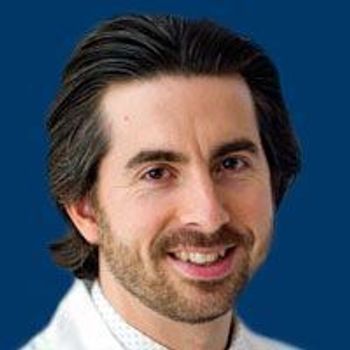
Proof of mechanism and safety has been established for the first-in-class bisialidase and Fc fusion protein E-602 in advanced solid tumors, supporting its continued investigation and viability of harnessing glycan-mediated immune regulation as a novel therapeutic approach in this population.