

The FDA has approved xT CDx, a 648-gene next-generation sequencing assay for solid tumor profiling, and companion diagnostic for patients with colorectal cancer.
The FDA has approved xT CDx, a 648-gene next-generation sequencing assay for solid tumor profiling, and companion diagnostic for patients with colorectal cancer.

Nivolumab following radical surgery continued to display a benefit in disease-free survival in patients with muscle-invasive urothelial carcinoma and muscle-invasive bladder cancer.
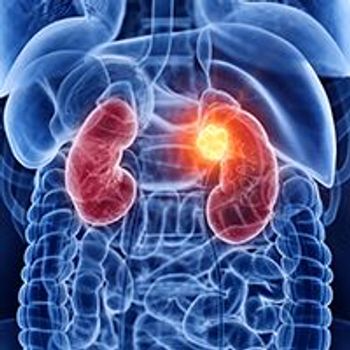
Treatment with sintilimab in combination with axitinib resulted in tumor shrinkage with tolerable adverse effects in patients with advanced fumarate hydratase–deficient renal cell carcinoma.

Specific comorbidities were linked with complications following partial nephrectomy, compared with radical nephrectomy, in patients with T1b to T2 renal cell carcinoma.

Hypertension was found to be an independent risk factor for worse survival outcomes in patients with upper tract urothelial cancer undergoing radical nephroureterectomy.

A high body mass index was linked with improved overall survival in patients with renal cell carcinoma undergoing radical nephrectomy.

Benjamin H. Lowentritt, MD, FACS, discusses prostate-specific antigen response and time to castration resistance in patients with metastatic castration-sensitive prostate cancer started on apalutamide, enzalutamide, or abiraterone acetate.
Treatment with the androgen receptor inhibitor enzalutamide plus leuprolide led to a significant reduction in the risk of metastasis or death compared with placebo plus leuprolide in patients with nonmetastatic hormone-sensitive prostate cancer with high-risk biochemical recurrence.

Patients with metastatic castration-sensitive prostate cancer treated with the androgen receptor–signaling inhibitor apalutamide achieved prostate-specific antigen responses that trended higher and rates of progression to castration resistance that trended lower than those receiving enzalutamide or abiraterone acetate/
A post-hoc analysis of the phase 3 ARASENS trial demonstrated that the addition of darolutamide to androgen deprivation therapy and docetaxel produced deep and durable prostate-specific antigen responses in patients with metastatic hormone-sensitive prostate cancer.
A subgroup analysis of the phase 3 ARASENS trial showed that darolutamide plus androgen deprivation therapy elicited an overall survival benefit in North American patients with metastatic hormone-sensitive prostate cancer.

Cretostimogene grenadenorepvec in combination with pembrolizumab produced high complete response rates with a tolerable safety profile in patients with Bacillus Calmette-Guérin–unresponsive non–muscle invasive bladder cancer.
Treatment with darolutamide was associated with lower rates of discontinuation and progression to metastatic disease compared with enzalutamide and apalutamide in patients with nonmetastatic castration-resistant prostate cancer.

First-line avelumab maintenance therapy prolonged survival in patients with advanced urothelial carcinoma, regardless of response to first-line chemotherapy, according to findings from an exploratory subgroup analysis of the phase 3 JAVELIN Bladder 100 trial.

The use of 68Ga-FAP-2286 PET imaging may improve treatment selection and response assessment in patients with bladder cancer, according to findings from a pilot study evaluating the diagnostic performance of this imaging technology.

In an 11-to-1 vote, the FDA’s Oncologic Drugs Advisory Committee voted that the proposed indication of olaparib in combination with abiraterone acetate and prednisone or prednisolone for the initial treatment of patients with metastatic castration-resistant prostate cancer should be restricted to those whose tumors harbor a BRCA mutation.
The addition of olaparib to abiraterone acetate resulted in numerically higher prostate-specific antigen response rates and prolonged time to PSA progression vs abiraterone alone when used in the frontline treatment of patients with metastatic castration-resistant prostate cancer.
Darolutamide given in an extended duration was linked with long-term clinical benefit and safety in patients with nonmetastatic castration-resistant prostate cancer.
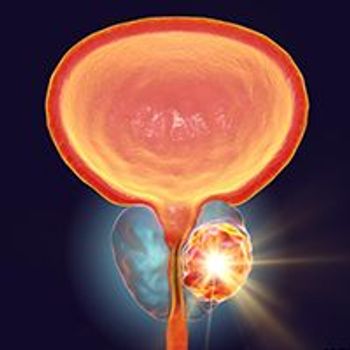
Reduced doses of apalutamide did not significantly decrease rates of skin-related adverse effects vs full-dose apalutamide in patients with advanced prostate cancer.

Treatment with lutetium 177 PSMA-I&T radioligand therapy led to prostate-specific antigen declines with an acceptable toxicity profile in patients with metastatic castration-resistant prostate cancer.

The use of zoledronic acid or other bisphosphonates was associated with a significant reduction in risk of fracture in patients with metastatic hormone-sensitive prostate cancer.
In the open-label phase 2 LITESPARK-003 study, led by Dana-Farber Cancer Institute’s Toni Choueiri, MD, researchers investigated for the first time the combination of cabozantinib, a VEGF TKI, plus belzutifan, a HIF-2α inhibitor.

Bradley A. McGregor, MD, discusses the clinical significance of the updated COSMIC-021 data, how these findings support the continued investigation of IO/TKI combinations in non–clear cell renal cell carcinoma, and other efforts underway to better care for patients with varying histological subtypes of the disease.

Sarah B. Gitto, PhD, discusses the process of investigating the B7-H4 as a viable target for drug development in treatment-resistant ovarian cancer.

Michael Andreeff, MD, PhD, discusses the potential benefits of E-selectin inhibition in the AML tumor microenvironment, data that have contributed to the further development of uproleselan in this population, and additional AML targets under investigation that may broaden the treatment landscape.

Press Release
Fox Chase Cancer Center is pleased to announce the hiring of Maryam Ijaz Khan, MD, as an associate professor in the Division of Endocrinology.

The American Urological Association and Society of Urologic Oncology have released a clinical practice guideline for the diagnosis and management of patients with nonmetastatic upper tract urothelial carcinoma.

The combination of toripalimab and axitinib improved progression-free survival over single-agent sunitinib when used as first-line treatment in patients with intermediate to high risk, unresectable or distant metastatic renal cell carcinoma.
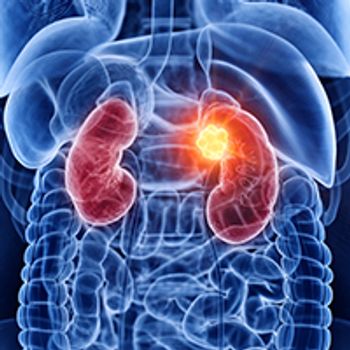
Treatment with nivolumab plus ipilimumab and a subsequent TKI was effective in patients with metastatic clear cell renal cell carcinoma.

Brian Ball, MD, discusses the significance of targeting RARA in AML, the rationale for SELECT-AML-1, and additional AML research that may contribute to the broadening treatment paradigm in the future.