

A silver lining of the COVID-19 pandemic has been the rapid uptake of telemedicine and virtual health care for patients with cancer.
A silver lining of the COVID-19 pandemic has been the rapid uptake of telemedicine and virtual health care for patients with cancer.
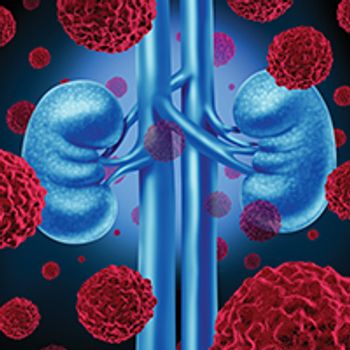
The investigational RNA interference therapy, ARO-HIF2, was shown to have encouraging signals of activity with favorable tolerability in heavily pretreated patients with advanced clear cell renal cell carcinoma.

Jimmy Hwang, MD, discusses the frontline indications for checkpoint inhibitors in gastric cancer and their effect on subsequent treatment decisions, the growth of targeted therapy across gastrointestinal cancers, and expectations for future research and development.
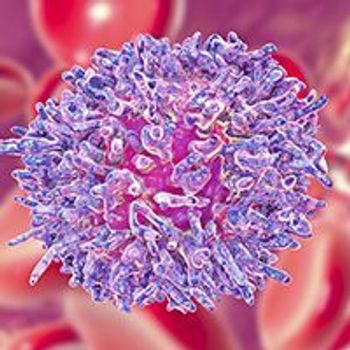
Pevonedistat demonstrated a favorable risk-benefit profile at a dose of 20 mg/m2 in combination with 75 mg/m2 of azacitidine in patients with higher-risk myelodysplastic syndromes/chronic myelomonocytic leukemia and acute myeloid leukemia.

The tumor-infiltrating lymphocyte therapy LN-145 was found to induce an objective response rate of 21.4% in patients with advanced or metastatic non–small cell lung cancer who had progressed following systemic therapy.

Ruben Mesa, MD, discusses what makes pacritinib a unique option in the myelofibrosis landscape, future efforts with the agent, and where the drug might fit into the paradigm if approved.

Patients with hematologic malignancies, which include cancers that affect the blood, bone marrow, and lymph nodes, have demonstrated a higher susceptibility to COVID-19 potentially because of inherent and cancer therapy–related immunosuppression.

Therapeutic breakthroughs for patients with metastatic pancreatic cancer have eluded investigators for decades, with chemotherapeutic combination strategies serving as the insurmountable standard of care.
Longitudinal circulating tumor DNA positivity detected at 4, 12, and 24 weeks after surgery in patients with stage I to IV colorectal cancer was significantly associated with inferior disease-free survival.

Hannah M. Linden, MD, discusses the potential for enobosarm in patients with metastatic breast cancer, data from a phase 2 trial examining its use, and next steps for the agent in the paradigm.

Faith Davies, MD, discusses the approval of isatuximab-irfc-based combinations for patients with relapsed/refractory multiple myeloma.

The novel combination comprised of rigosertib and nivolumab showed preliminary evidence of potential anticancer activity in patients with advanced metastatic KRAS-mutated non–small cell lung cancer.

Athenex, Inc. held a Type A meeting with the FDA to discuss the deficiencies raised in the complete response letter issued in March 2021 for the new drug application for oral paclitaxel plus encequidar in the treatment of patients with metastatic breast cancer.
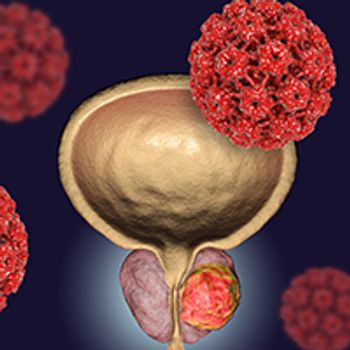
Men with positive pelvic lymph nodes or a prostatectomy Gleason score of 8 to 10 with disease extending beyond the prostate should be considered for treatment with adjuvant radiation therapy.
Merck has announced plans to withdraw the accelerated approval indication for pembrolizumab in the treatment of select patients with recurrent locally advanced or metastatic gastric or gastroesophageal junction adenocarcinoma whose tumors express a PD-L1 combined positive score of 1 or more, and who have progressed on or after 2 or more previous lines of therapy, including fluoropyrimidine- and platinum-containing chemotherapy, and HER2-/neu-targeted therapy, if appropriate.

Paul K. Paik, MD, discusses the clinical implications of tepotinib on the non–small cell lung cancer armamentarium.

Fixed-duration venetoclax plus obinutuzumab demonstrated prolonged remissions compared with chemoimmunotherapy in elderly patients with previously untreated chronic lymphocytic leukemia and comorbidities.

The FDA has expanded the label for pembrolizumab for use as a monotherapy in the treatment of patients with locally advanced cutaneous squamous cell carcinoma that is not curable by surgery or radiation.
The incidental identification of pancreatic cysts has become more common with the increasing use of imaging modalities in clinical practice.

Thanks to advances in research, targeted therapies, and a more personalized approach to treating patients diagnosed with breast cancer, more surgical options exist for patients with breast cancer patients than ever before.

A new study suggests that reducing physician burnout requires an organizational-level response that focuses on creating of a medical practice culture that value qualities such as teamwork, open communication, and process improvement.
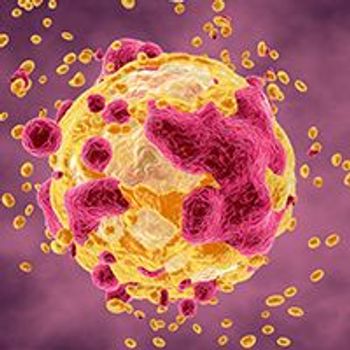
Avapritinib demonstrated encouraging clinical activity in Chinese patients with PDGFRA D842V–mutant gastrointestinal stromal in a bridging study of the NAVIGATOR trial.

The novel PI3Kß inhibitor GSK2636771 plus paclitaxel led to encouraging clinical activity as well as a tolerable safety profile in patients with PTEN-deficient advanced gastric cancer who progressed following frontline chemotherapy.

This coalition of clinical research sites will partner with Genentech to advance the representation of diverse patient populations in the company’s oncology clinical trials.

The optimal sequence of therapies in the second- or later-line settings for patients with hepatocellular carcinoma remains unclear.
A new study led by Yale Cancer Center scientists revealed the combination of ATR and PARP inhibitor therapies can effectively target the enzyme isocitrate dehydrogenase-I/2 (IDH-1/2) in mutant cancer cells.
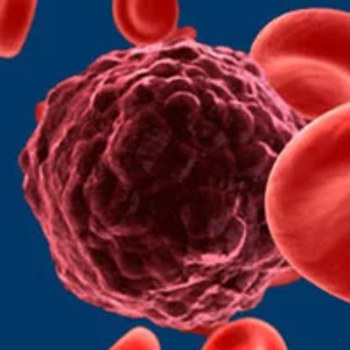
An independent data monitoring committee has recommended that the phase 3 ARMADA 200 trial examining devimistat plus high-dose cytarabine and mitoxantrone in patients with relapsed or refractory acute myeloid leukemia continue as planned.

Single-agent pemigatinib is being compared with gemcitabine plus cisplatin in patients with unresectable and/or metastatic cholangiocarcinoma whose tumor harbor FGFR2 fusions or rearrangements in the ongoing, phase 3 FIGHT-302 trial.

The overall picture related to COVID-19 in the Unites States is encouraging, and we might suspect that the American public would be relatively united with favorable views of efforts of public health officials and organizations at the national, state, and local levels to successfully control this terrible event and return us to our prepandemic state.
The FDA has approved FoundationOne CDx for use as a companion diagnostic for brigatinib, which was approved for the treatment of adult patients with ALK-positive, metastatic non–small cell lung cancer.