
Kerry A. Rogers, MD, discusses phase II findings of a trial with obinutuzumab, ibrutinib, and venetoclax and the future of dose-limited regimens in chronic lymphocytic leukemia.
Kerry A. Rogers, MD, discusses phase II findings of a trial with obinutuzumab, ibrutinib, and venetoclax and the future of dose-limited regimens in chronic lymphocytic leukemia.
Leon Ferre, MD, discusses new insights into the biology of triple-negative breast cancer that may lead to the emergence of novel therapies for these patients.

Ryan B. Corcoran, MD, PhD, discusses the clinical utility and benefits of liquid biopsies in gastrointestinal cancers.

Manuel Hidalgo, MD, PhD, discusses the potential with BL-8040 and pembrolizumab in pancreatic adenocarcinoma.

Patients with HER2-positive early or locally advanced breast cancer who were exposed to reference trastuzumab lots with a marked downward shift in antibody-dependent cell-mediated cytotoxicity (ADCC) had worse outcomes than those not exposed to at least 1 shifted ADCC lot or those treated with its biosimilar.

The new standard of care for the frontline treatment of patients with extensive-stage small cell lung cancer should be atezolizumab and chemotherapy, based on results from the IMpower133 trial.

The FDA has approved ravulizumab-cwvz as an injection treatment of adult patients with paroxysmal nocturnal hemoglobinuria, a rare blood disorder that leads to hemolysis.

Hearn Jay Cho, MD, PhD, discusses classes of immunotherapy under investigation in multiple myeloma.

The phase III JAVELIN Ovarian 100 study exploring frontline avelumab in ovarian cancer has been ended after an independent panel determined the study would not meet its primary endpoint of progression-free survival.

Michael D. Mix, MD, disucsses the use and optimization of SBRT in the management of patients with early-stage non–small cell lung cancer and oligometastatic disease.

An ongoing randomized phase III study will compare the safety and efficacy of atezolizumab with placebo as adjuvant therapy after definitive local therapy in patients with high-risk, locally advanced squamous cell carcinoma of the head and neck.
Robert J. Cerfolio, MD, discusses how the use of surgery has significantly evolved over the years and how advances made in robotic surgery improve quality of life of those who need to undergo these procedures.

The FDA has extended the review period for a supplemental biologics license application for single-agent pembrolizumab for the frontline treatment of patients with locally advanced or metastatic nonsquamous or squamous non–small cell lung cancer with a PD-L1 expression level of ≥1% and no EGFR or ALK genomic tumor aberrations.

Enzalutamide plus androgen deprivation therapy (ADT) significantly improved radiographic progression-free survival compared with ADT alone.

The FDA has approved tagraxofusp-erzs infusion for the treatment of adult and pediatric patients, aged ≥2 years, with blastic plasmacytoid dendritic cell neoplasm.
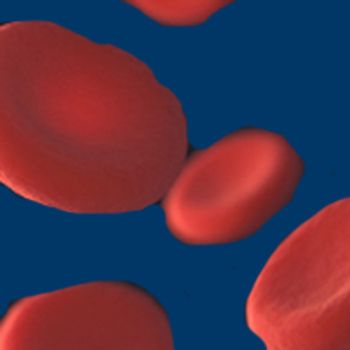
The FDA has approved a longer-acting version of calaspargase pegol-mknl (Asparlas) as a component of a multiagent chemotherapy regimen for pediatric and young adult patients aged 1 month to 21 years with acute lymphoblastic leukemia.

The PARP inhibitor olaparib demonstrated a statistically significant and clinically meaningful improvement in objective response rate in patients with BRCA-mutant ovarian cancer who have relapsed on at least 2 prior lines of therapy.
The frontline induction treatment of bendamustine and rituximab has improved event-free surviva compared with R-CHOP therapy in patients with mantle cell lymphoma.

Bradley G. Somer, MD, discusses the potential of combination regimens for patients with metastatic renal cell carcinoma.

Adam M. Brufsky, MD, PhD, discusses the impact of biosimilars in the field of oncology and outlined other strategies and steps that can be taken to mitigate cost when treating patients with breast cancer.

Yana Pikman, MD, discusses the clinical implications of using an approach to match targeted therapy to pediatric patients with leukemia.

Samir Parekh, MD, discusses the excitement of selinexor and venetoclax (Venclexta) as possible additions to the myeloma treatment landscape

The FDA has granted an accelerated approval to pembrolizumab for the treatment of adult and pediatric patients with recurrent locally advanced or metastatic Merkel cell carcinoma.
The FDA has approved olaparib as a maintenance treatment for patients with deleterious or suspected deleterious germline or somatic BRCA-mutated advanced epithelial ovarian, fallopian tube, or primary peritoneal cancer who are in complete or partial response to frontline platinum-based chemotherapy.
The PD-1 inhibitor cemiplimab in combination with radiotherapy, cyclophosphamide, and GM-CSF did not demonstrate efficacy superior to other PD-1 inhibitor monotherapies in patients with recurrent or metastatic head and neck squamous cell carcinoma.

Kimberly S. Corbin, MD, sheds light on the use of proton radiation therapy in the breast cancer space and which patients may benefit from this approach.

Out-of-pocket expenditures are substantially less among Medicare beneficiaries with breast cancer undergoing chemotherapy who receive prophylaxis for febrile neutropenia with a filgrastim biosimilar as opposed to the reference product.

Neratinib led to a statistically significant improvement in centrally confirmed progression-free survival compared with lapatinib and capecitabine in patients with HER2-positive metastatic breast cancer who have failed 2 or more prior lines of HER2-directed therapy.
Toni K. Choueiri, MD, discusses recent progress in RCC and where future research is heading in the field.

Tycel J. Phillips, MD, discusses the clinical implications of acalabrutinib plus bendamustine and rituximab for patients with mantle cell lymphoma.