
Press Release
A targeted kinase inhibitor added to a two-drug immunotherapy combination slowed the progression of advanced kidney cancer in previously untreated patients, according to research led by an oncologist from Dana-Farber Cancer Institute.
Press Release
A targeted kinase inhibitor added to a two-drug immunotherapy combination slowed the progression of advanced kidney cancer in previously untreated patients, according to research led by an oncologist from Dana-Farber Cancer Institute.
Press Release
A new study published today in the New England Journal of Medicine found that for young women with hormone receptor-positive breast cancer, pausing endocrine therapy to pursue a pregnancy did not raise the short-term risk that the disease will recur.
In the open-label phase 2 LITESPARK-003 study, led by Dana-Farber Cancer Institute’s Toni Choueiri, MD, researchers investigated for the first time the combination of cabozantinib, a VEGF TKI, plus belzutifan, a HIF-2α inhibitor.
Bradley A. McGregor, MD, discusses the clinical significance of the updated COSMIC-021 data, how these findings support the continued investigation of IO/TKI combinations in non–clear cell renal cell carcinoma, and other efforts underway to better care for patients with varying histological subtypes of the disease.

Ursula A. Matulonis highlights previous data from the phase 3 ENGOT-OV16/NOVA trial initial readout and subsequent preplanned overall survival analysis, discusses new findings from the final analysis, and emphasizes how these data clarify some of the study’s limitations and reinforce the importance of adhering to the adjusted FDA label for niraparib in recurrent ovarian cancer.

Press Release
In a new study in the journal Nature Cancer, Dana-Farber Cancer Institute scientists shed new light on the mechanism that raises and lowers PSMA expression in prostate cancer cells.
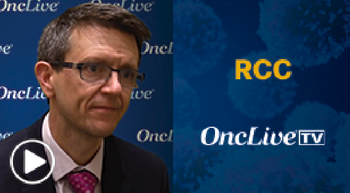
Bradley McGregor, MD, discusses the next steps for investigating cabozantinib plus atezolizumab in patients with advanced renal cell carcinoma.

Investigators of an ongoing phase 1a/1b multicohort trial are studying whether addition of adaptive immune activators increases the benefit derived from anti–PD-1 antibodies in multiple tumor types.

Christopher Lathan, MD, MS, MPH, discusses socioeconomical and clinical findings from a clinical outreach program incorporating cancer diagnostic services and patient navigation for patients from traditionally underserved populations.
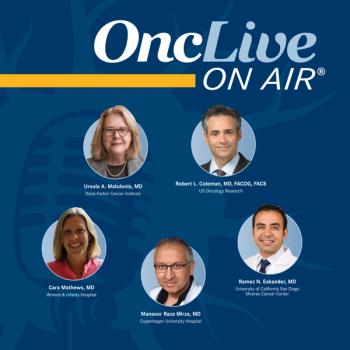
Presenters from the 2023 SGO Annual Meeting share their insights on the treatment of patients with gynecologic cancers.

Press Release
Research from Dana-Farber Cancer Institute looks at what happens before the emergence of mutations that interrupt cellular differentiation in colorectal cancer and finds not only evidence of fetal reprogramming that can initiate cancer, but also a protein, Sox9, that fuels that reprogramming.

Adagrasib induced high overall response rates in patients with KRAS G12C–mutated non–small cell lung cancer who achieved at least 90% mutation allele frequency clearance.

Press Release
As the first clinical trial of the drug novobiocin is about to open for patients with cancers carrying BRCA gene mutations, new research at Dana-Farber Cancer Institute shows the drug poses a double threat to tumor cells.
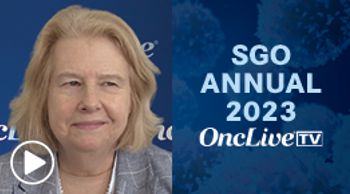
Ursula A. Matulonis, MD, discusses common toxicities associated with mirvetuximab soravtansine-gynx, and how to properly manage these treatment-related adverse effects for patients with folate receptor alpha-high ovarian cancer.

press release
Dana-Farber Cancer Institute researchers outline the complexities of colorectal cancer and the research needed to map out a path toward understanding it.
Ursula A. Matulonis, MD, discusses final overall survival results from the phase 3 NOVA trial in patients with ovarian cancer.
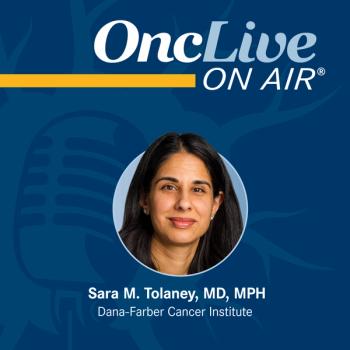
Dr Tolaney discusses the FDA approval of sacituzumab govitecan in patients with unresectable locally advanced or metastatic HR-positive, HER2-negative breast cancer; key data from the TROPiCS-02 trial; and how this agent can fulfill unmet needs for this patient population.
Investigators are assessing the combination of avelumab and lurbinectedin as maintenance therapy for patients with metastatic urothelial carcinoma who achieve a response or stable disease following first-line, platinum-based chemotherapy in a single-arm phase 2 trial.
Paul G. Richardson, MD, discusses the impact of combining proteasome inhibitors and monoclonal antibodies in multiple myeloma.

Despite a perhaps overwhelming number of combination regimens available for use in the frontline setting for patients with renal cell carcinoma, treatment decisions can still largely boil down to a patient’s risk status. For second-line therapy, investigators are looking to contemporary trials for guidance.
Given the current lack of positive phase 3 immunotherapy trials for glioblastoma, a misconception held by oncologists and neuro-oncologists is that immunotherapy has no place in this malignancy.
The progression-free survival benefit associated with the combination of nivolumab plus cabozantinib compared with sunitinib was largely independent of PD-L1 and c-MET status in previously untreated patients with advanced or metastatic renal cell carcinoma.
The advent of effective first-generation TKIs has allowed for improvements among patients with Philadelphia chromosome–positive disease, which is traditionally associated with a poor prognosis, as it generally does not respond to conventional chemotherapy options.

Paul L. Nguyen, MD, discusses primary findings from the phase 2 FORMULA-509 trial in prostate cancer.

Patients with chronic lymphocytic leukemia, including those with difficult-to-treat disease classes such as double refractory, are quickly gaining more effective treatment options.
Bradley McGregor, MD, discusses the investigation of cabozantinib plus atezolizumab in patients with non–clear cell renal cell carcinoma.

Trauma and stress related to the COVID-19 pandemic, coupled with subsequent widespread labor shortages, have turned burnout, which was an endemic issue in medicine, to a pandemic in health care.
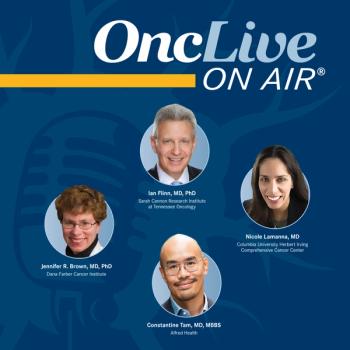
Drs Flinn, Lamanna, Brown, and Tam discuss the FDA approval of zanubrutinib in chronic lymphocytic leukemia and small lymphocytic lymphoma.

ADI-001, a first-in-class, allogeneic gamma delta1 CAR T-cell therapy, elicited responses and demonstrated a favorable safety profile in patients with relapsed/refractory B-cell non-Hodgkin lymphoma.

Press Release
Sacituzumab govitecan, a novel antibody drug-conjugate therapy has been granted accelerated approved by the U.S. Food and Drug Administration for the treatment of metastatic HR+, HER2- breast cancer.