
Opinion|Videos|March 25, 2026
Structuring Multidisciplinary Collaboration for Optimal Outcomes in Desmoid Tumor
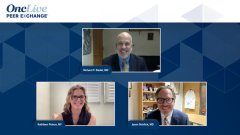
Learn how tumor boards unite sarcoma experts—and how remote clinics join Zoom reviews, online panels, and fast second opinions.
Advertisement
Episodes in this series
Multidisciplinary collaboration is central to delivering high-quality desmoid tumor care. In this segment, the panel describes how coordinated decision making across specialties improves treatment selection and reduces unnecessary interventions. Medical oncology, surgical oncology, radiation oncology, radiology, pathology, and supportive care teams all contribute valuable perspectives in evaluating complex cases.
Structured tumor board discussions allow for comprehensive review of imaging, pathology, symptom burden, and patient preferences. This collaborative approach supports guideline-aligned management and ensures that observation, systemic therapy, and local treatment options are appropriately considered. Multidisciplinary engagement also enhances patient confidence by demonstrating consensus across providers.
The panel acknowledges that access to dedicated sarcoma programs may be limited in some regions. For community practices or smaller centers, practical solutions include referral networks, virtual consultations, and adoption of evidence-based care pathways. Leveraging telemedicine and regional partnerships can help bridge gaps in expertise while maintaining continuity of care.
Importantly, multidisciplinary collaboration is not solely about institutional structure; it reflects a philosophy of shared decision making. By integrating diverse clinical perspectives and proactively coordinating care, clinicians can better individualize therapy and anticipate potential complications. This coordinated framework remains essential to optimizing outcomes in desmoid tumor management.
Advertisement
Related to this article
Here is your cheat sheet to all therapeutic options that were cleared by the FDA in September 2026 spanning tumor types.

The FDA approved tucatinib plus trastuzumab and pertuzumab as maintenance for advanced HER2-positive breast cancer after induction.

The c-Met–directed ADC was designated for EGFR wild-type nonsquamous NSCLC after platinum chemotherapy and anti–PD-(L)1 therapy.
Dana-Farber’s Xin Gu, PhD, and Nicholas Polizzi, PhD, received NIH New Innovator Awards for high-risk, high-reward research.
The c-Met–directed ADC-based combination was designated for mCRC previously treated with fluoropyrimidine, irinotecan, oxaliplatin, and anti-VEGF therapy.
Pooled data from 3 randomized trials showed ropeginterferon alfa-2b improved responses vs phlebotomy alone but not vs hydroxyurea in polycythemia vera.
Experts break down key multiple myeloma data and trends from the 23rd Annual IMS Meeting.
Firmonertinib did not significantly improve BICR-assessed PFS vs platinum/pemetrexed chemotherapy in first-line EGFR exon 20–mutant NSCLC in FURVENT trial.
Advertisement
Advertisement
Trending on OncLive
1
FDA Approves Tucatinib Plus Trastuzumab/Pertuzumab as First-Line Maintenance in Advanced HER2+ Breast Cancer
2
FDA Grants Breakthrough Therapy Designation to Telisotuzumab Adizutecan Plus Bevacizumab in Refractory mCRC
3
FDA Grants Breakthrough Therapy Designation to Temab-A in Previously Treated c-Met–Expressing Nonsquamous NSCLC
4
Firmonertinib Fails to Meet PFS End Point in First-Line EGFR Exon 20 Insertion–Mutant NSCLC
5